Osseous Surgery
Washington DC & Alexandria VA
Osseous Surgery Washington DC & Alexandria VA
Periodontitis is an advanced and serious form of gum disease that damages the gums, periodontal ligaments, and bone tissue that supports the teeth. Unlike early-stage gum disease, periodontitis involves deeper infection and inflammation that can permanently weaken the structures holding the teeth in place. If left untreated, it can lead to gum recession, deep periodontal pockets, bone loss, loose teeth, and eventually tooth loss.
Osseous surgery may be recommended when periodontitis has not responded adequately to nonsurgical treatments (such as scaling and root planing). During this procedure, gum tissue is gently lifted so the periodontist can access and clean the tooth roots, remove bacteria and infected tissue, and smooth or reshape damaged bone. By reducing deep pockets and creating a healthier environment around the teeth, osseous surgery can help gum tissue to heal more securely and can reduce the risk of further periodontal damage.
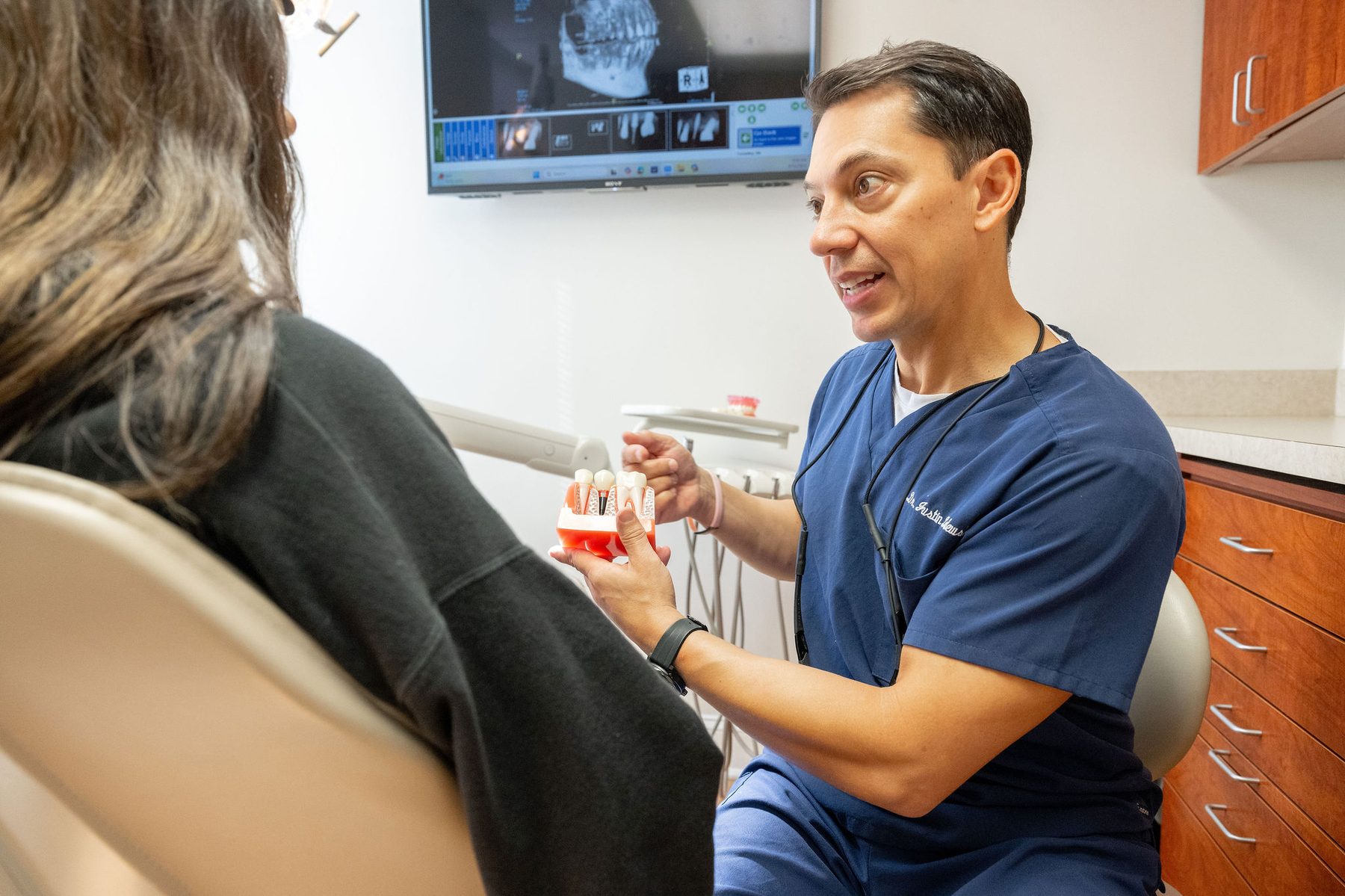
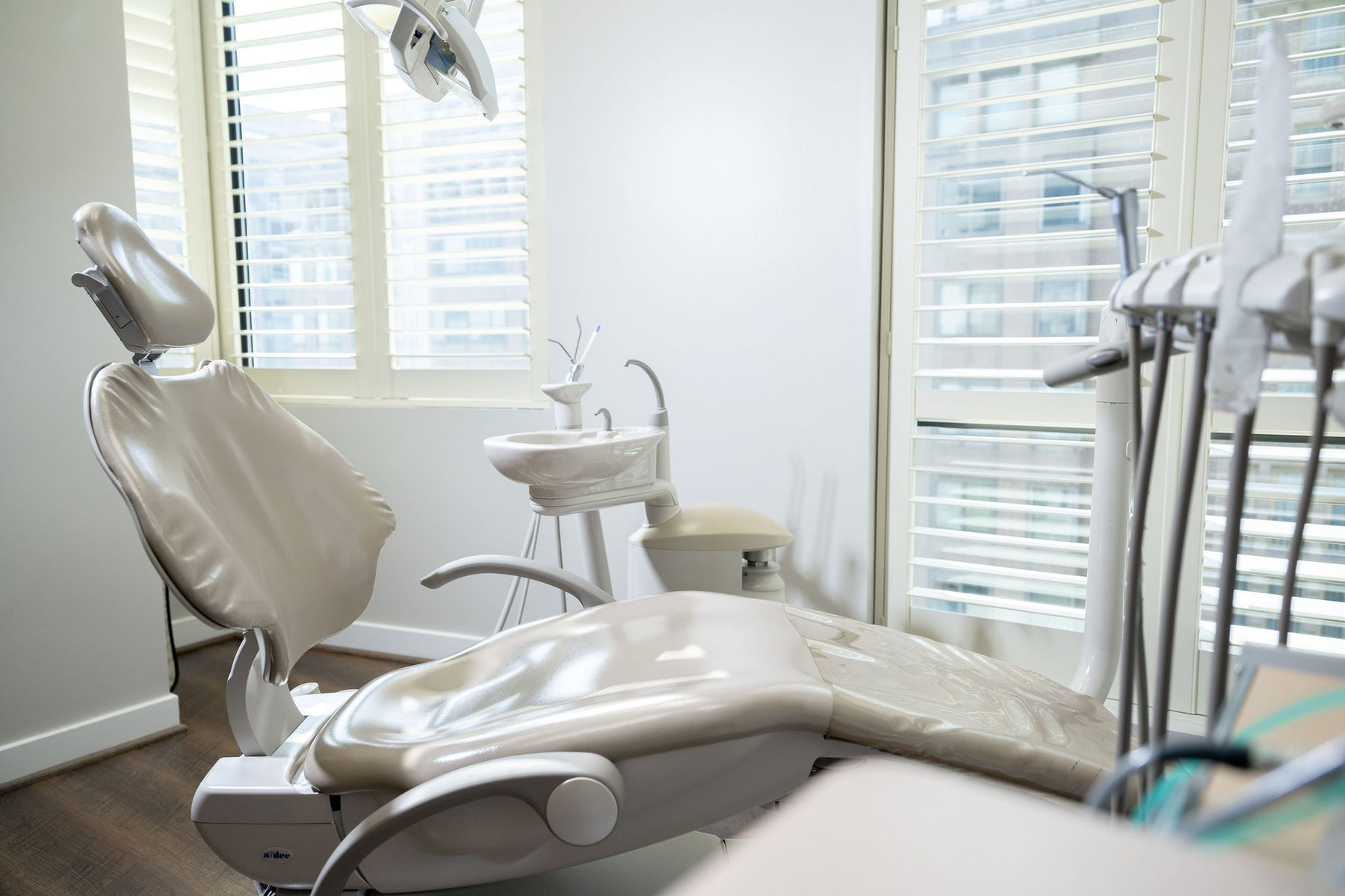
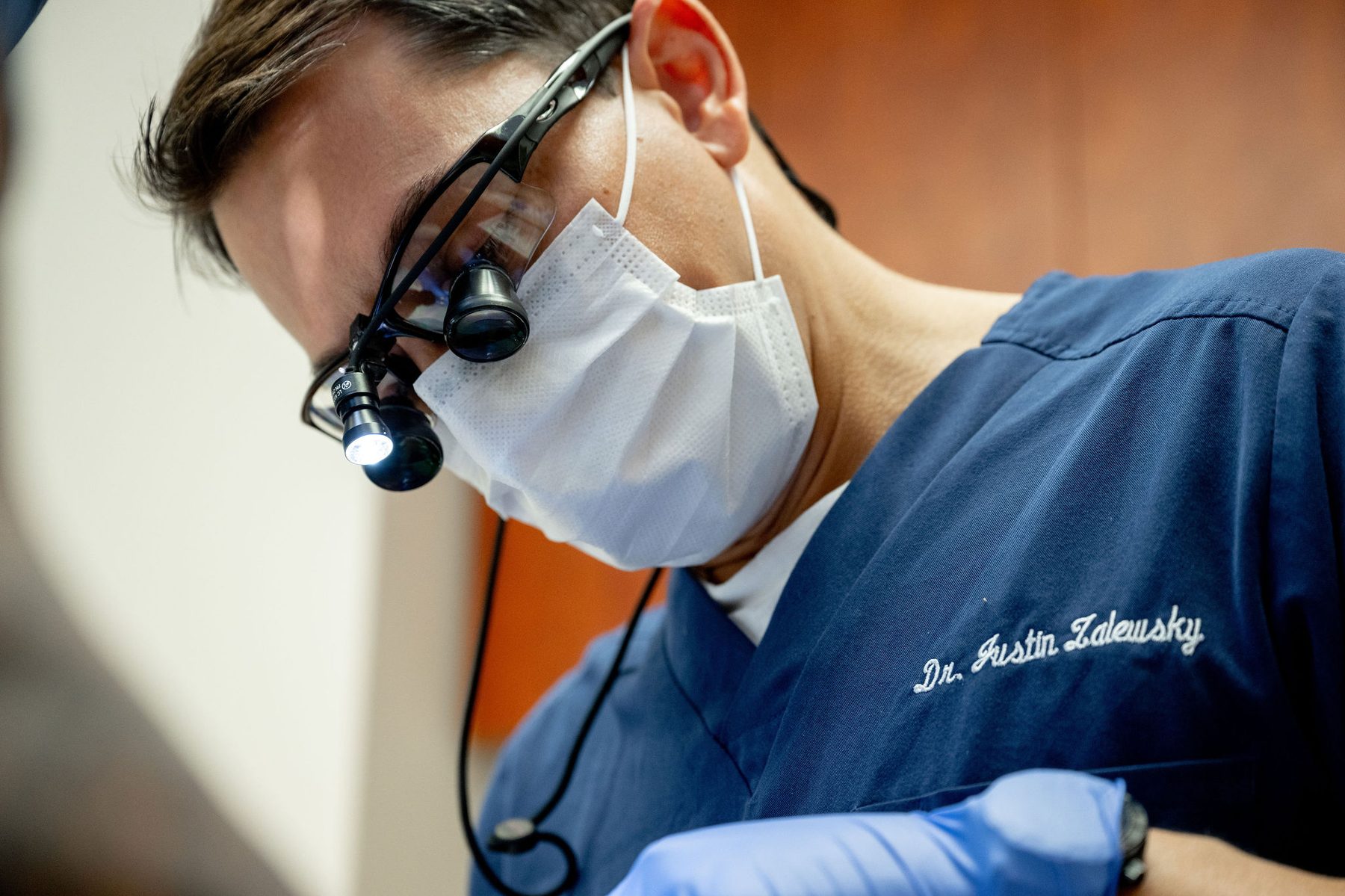
At Precision Periodontics and Implant Dentistry, our specialty-trained periodontists, Drs. Zalewsky, Daru, Gupta, and Lakkis have years of experience treating a wide range of stages of gum disease and placing dental implants. To learn more about osseous surgery, our clinic facilities, or to schedule an appointment for a procedure, contact our Alexandria, VA office at (703) 823-2422 or our Washington, D.C. office at (202) 296-3360.

Contact Precision Today
Pros and Cons of Osseous Surgery
As with any medical procedure, there are pros and cons to having osseous surgery. In some cases, LANAP may be a better treatment option for patients, depending upon their specific circumstances. One of the most common drawbacks that patients who have osseous surgery cite is that their teeth appear to be longer. While osseous surgery will alter the appearance of your smile, your gums will be returned to a natural, healthier state.
Pros of Osseous Surgery:
- The most powerful method for treating advanced periodontal disease
- Healthy gum tissue is preserved
- Pocket depths are reduced, which decreases the likelihood of bacteria and plaque developing
- Patients can brush areas that were inaccessible before
- Patients will have fresher breath
- Gums will stop bleeding
- Significantly reduces the likelihood of a future infection developing, provided the patient follows good oral self-care
Cons of Osseous Surgery:
- Teeth appear longer
- Increased likelihood of tooth sensitivity
- Longer and more extensive recovery compared to LANAP
- Not able to address certain pockets that can only be treated with LANAP
Osseous Surgery Expectations
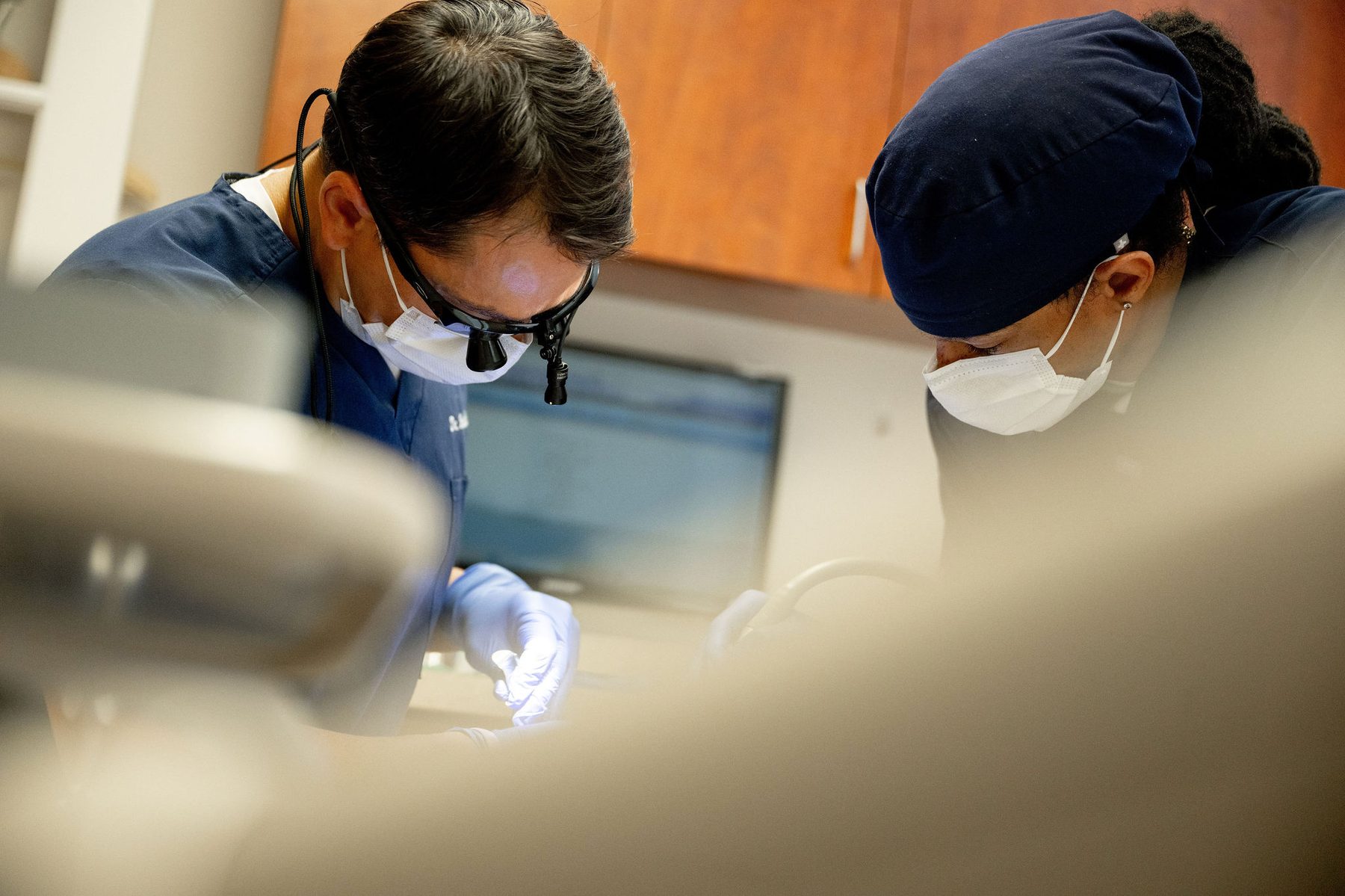
Prior to the procedure, your periodontist will administer a local anesthetic. Once you are properly numbed, a small incision will be made in your gum, and it will be pulled back to access the root of the tooth and surrounding bone. Once these are accessible, your periodontist will scrape off deposits that have formed on the root surface and recontour and trim the bone. For more advanced cases of periodontitis, a bone graft and/or guided tissue regeneration may be placed during this time. Once this is complete, the gum tissue will be reattached, and the healing process can begin.
Osseous Surgery Aftercare
Following osseous surgery, it is important to follow the post-operative instructions. If you are prescribed medication and/or antibiotics, follow the dosage instructions to completion. If you are not prescribed medication but experience discomfort, over-the-counter pain relievers such as Tylenol or Ibuprofen can generally help manage pain. Some swelling is also common, but this can generally be managed with the use of ice packs. If you follow these instructions, your recovery process should be quick, although your periodontist will likely schedule a follow-up appointment within a week to ensure everything looks right.
Once you have completed the recovery process, it will not be necessary to follow special aftercare instructions, although it is important to be aware of the reason this procedure was needed in the first place. Continue practicing good daily oral hygiene practices. Brush and floss twice daily, and schedule regular visits to your periodontist to ensure that your teeth receive regular professional cleanings, which will reduce your risk of developing gingivitis or periodontitis. It may be necessary to schedule these visits with more frequency until you have fully corrected your periodontitis. If you follow these best practices, you will enjoy a bright and healthy smile for many years to come.