01
There Are a Variety of Gum Grafts That
There are a variety of gum grafts that can be performed. Which graft is right for you will depend upon your particular case. The available grafting option material types include the following:
Periodontics
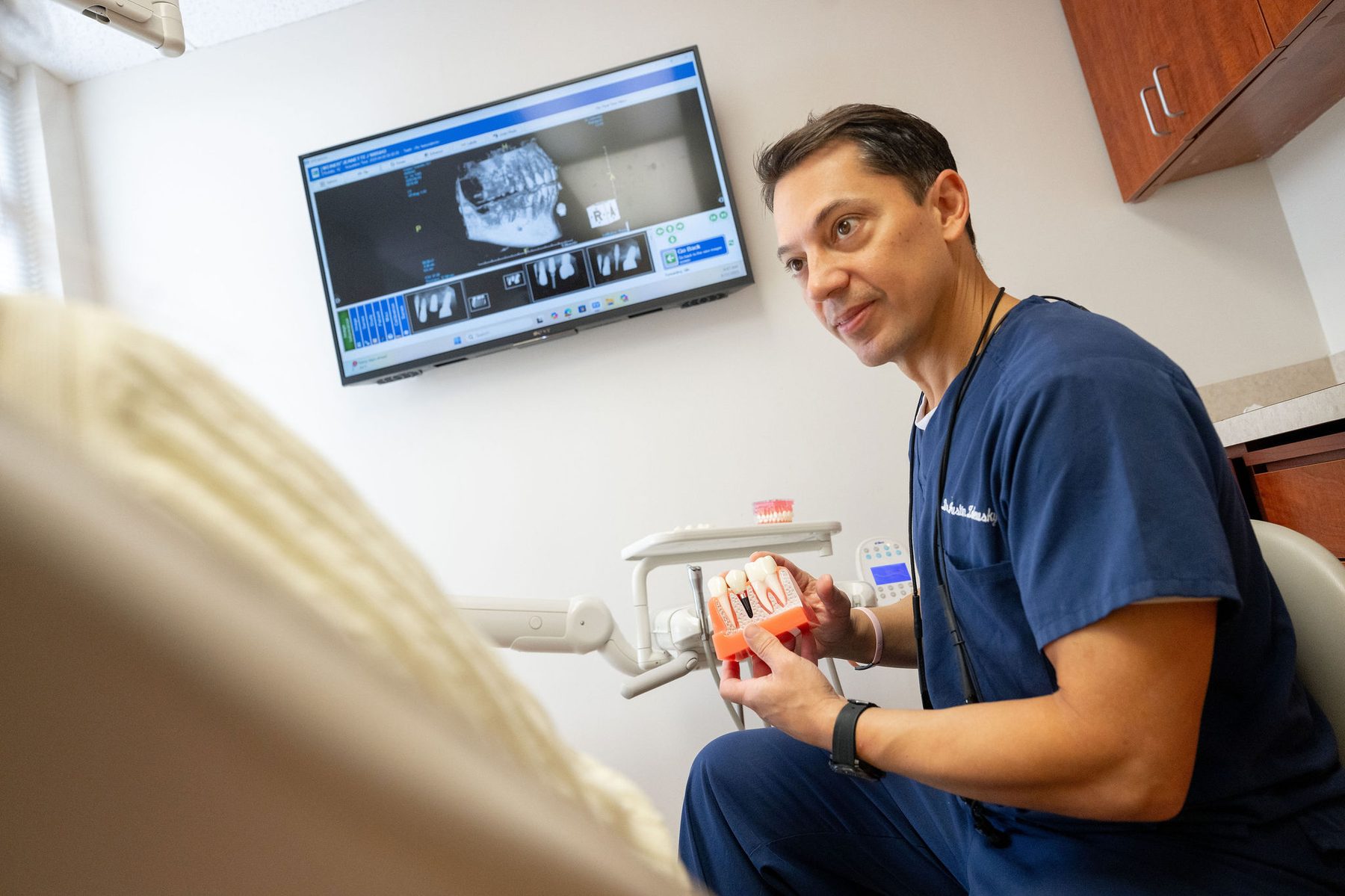
Rebuild the gum line, protect roots, and restore a healthy smile.
Periodontics
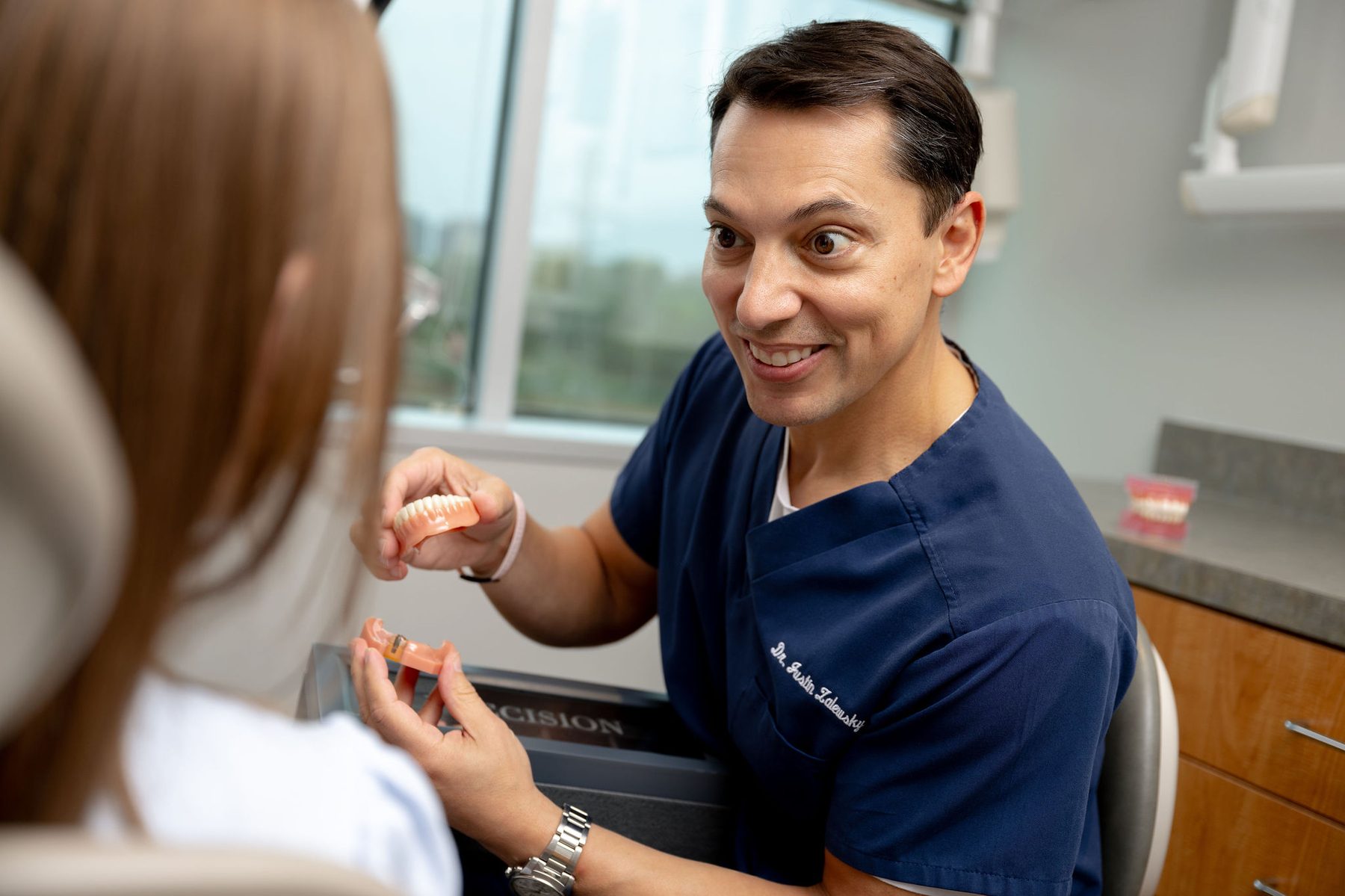
Gum grafting is a surgical procedure that thickens existing gum tissue or covers exposed tooth roots in order to help prevent gum recession from worsening. Exposed roots can develop for several reasons. A couple of the most common include gum disease and aggressive brushing. Gum grafting can improve the appearance of your smile while providing additional protection from the common side effects of gum recession. These include increased tooth sensitivity and a higher risk of periodontal concerns.
At Precision Periodontics and Implant Dentistry, our specialty-trained periodontists, our specialty-trained periodontists have years of experience treating a wide range of stages of gum disease and placing dental implants. To learn more about the gum grafting procedure, our clinic facilities, or to schedule an appointment, contact our Alexandria, VA office at (703) 823-2422 or our Washington, D.C. office at (202) 296-3360.
The Procedure
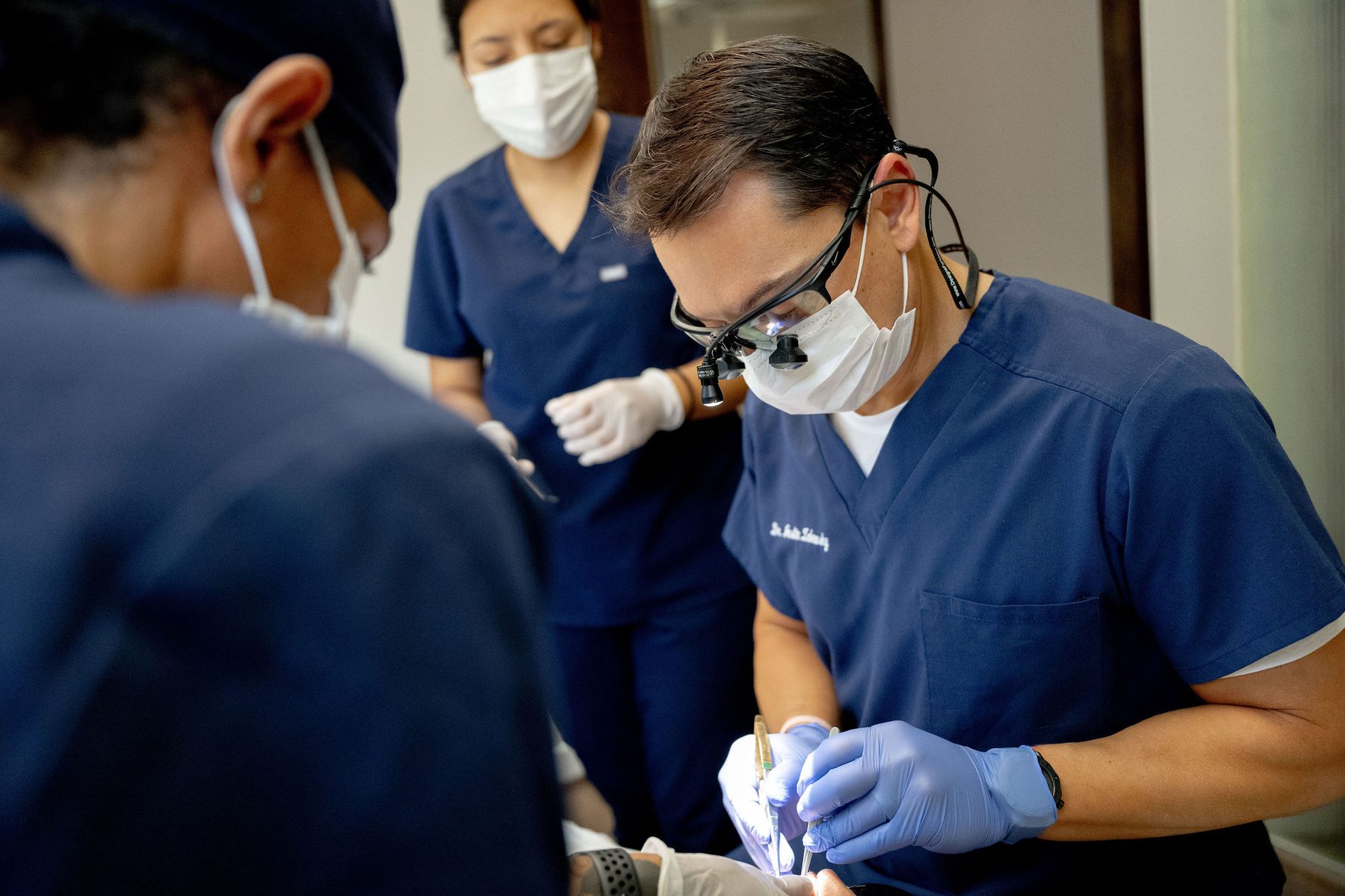
Here's what your gum grafting treatment looks like, step by step.
There are a variety of gum grafts that can be performed. Which graft is right for you will depend upon your particular case. The available grafting option material types include the following:
Allograft: Allograft is an artificial gum tissue graft that is highly effective and a popular approach, given that it does not required to take issue from other areas of your mouth. The artificial graft will be placed in the area in need of repair, which will enable the gums to repair themselves by growing new tissue cells. Once the regeneration process is complete, the tissue will be restored to its original condition and have the same resilience, elasticity, and feel of healthy tissue.
Connective Tissue Grafts: Connective tissue grafts involve making a small flap in the palate in order to remove tissue under the top layer, which is then stitched around the exposed root, after which the flap is stitched down.
Free Gingival Grafts: Similar to connective tissue grafts, free gingival grafts differ only in that a piece of tissue is removed from the palate and is then used to cover the exposed tooth. Commonly recommended for patients with thin gum tissue.
Pedicle Grafts: Pedicle grafts involve pulling a flap of tissue over the exposed tooth root, then stitching this into position. Commonly reserved for patients with plenty of gum tissue close to the exposed root.
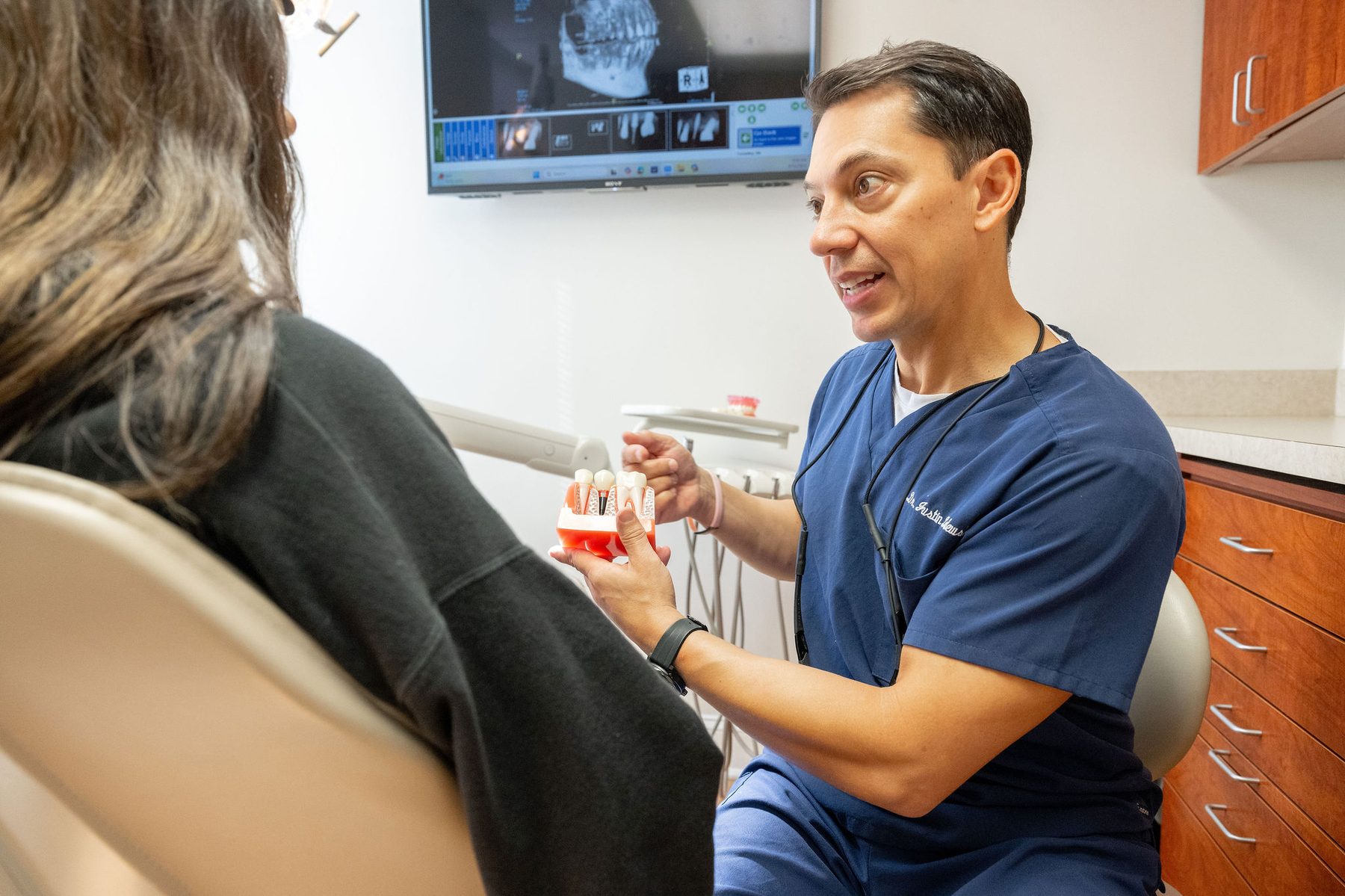
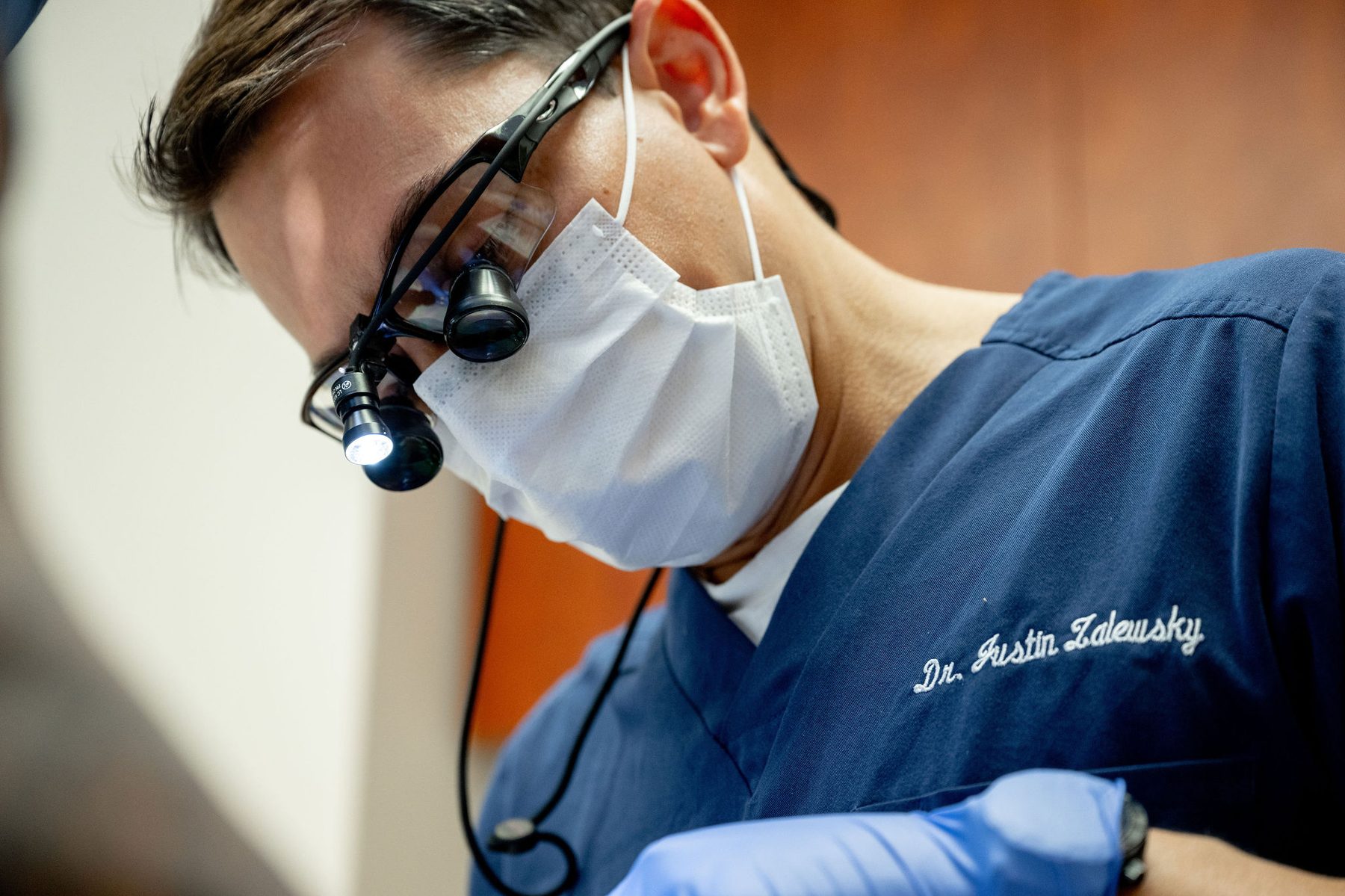
If it has been determined at your initial appointment that a gum graft is your best treatment option, you will need to schedule a follow-up appointment. The procedure will begin with the administration of a local anesthetic. Once properly numbed, your periodontist will make small incisions to create a flap that allows space for the graft to be placed. Once the graft has been properly positioned, the flap will be sutured shut, which will prevent the graft from moving and allow the healing process to begin.
Recovery & Aftercare
Following your gum graft, it is important to follow post-operative instructions. Stick to a soft food diet for at least one to two weeks after the procedure and avoid any foods that are extremely cold or extremely hot. It is also important to avoid brushing or flossing around the gum line until the area has fully healed. In some cases, your periodontist may prescribe antibiotics to speed up the recovery process and reduce the risk of infection and/or pain medication to help manage any pain associated with the recovery process. If you follow these best practices, your graft should be fully healed within one to two weeks.
Once you have completed the recovery process, it will not be necessary to follow special aftercare instructions, although it is important to be aware of the reason this procedure was needed in the first place. Continue practicing good daily oral hygiene practices. Brush and floss twice daily and schedule regular visits to your periodontist. These regular visits ensure that your teeth will receive regular professional cleanings and will reduce your risk of developing gingivitis or periodontitis. If you follow these best practices, you will enjoy a bright and healthy smile for many years to come.
Frequently Asked
Autograft and donor grafts are two common types of bone grafts used in dentistry and oral surgery. Both types of grafts are used to promote bone growth and regeneration in areas where bone has been lost or damaged. While both have their advantages and disadvantages, the choice of which type of graft to use depends on various factors, including the size of the defect, the patient's health status, and the surgeon's experience. Autograft is a type of bone graft that involves taking bone from one part of the patient's body and transplanting it to another site in the same patient's body. The most common sites for obtaining autograft bone are the iliac crest (the upper part of the pelvis), the mandible (lower jaw), and the tibia (shinbone). Autografts are advantageous because they are biocompatible, which means that the patient's body is less likely to reject the graft. Autografts also contain live bone cells, which can help stimulate bone regeneration.
AlloDerm is a popular biomaterial that has many applications in dentistry and oral surgery. This material is derived from human cadaver skin and has been processed to remove all the cells, leaving behind only the extracellular matrix. This unique composition allows it to be used as a scaffold for tissue regeneration and repair. Here are some of the benefits of AlloDerm in dentistry and oral surgery: One of the main benefits of AlloDerm in dentistry is its ability to support soft tissue augmentation. This is important in cases where a patient has lost a significant amount of soft tissue due to trauma, disease, or surgery. AlloDerm can be used to rebuild the soft tissue, restoring the patient's appearance and function. This is particularly important in cases where implants or dentures need to be supported by adequate soft tissue.
AlloDerm is a human tissue matrix derived from donated cadaver skin. The skin undergoes a process to remove the cells, leaving behind the extracellular matrix, which is then used in a variety of regenerative medicine procedures. AlloDerm is often used in dental and oral surgery procedures to help regenerate tissues, such as gum tissue and bone, that have been damaged or lost. It can be used in procedures such as dental implant placement, gum grafts, and sinus lifts. Yes, AlloDerm has been extensively tested and is considered safe for use in dental and oral surgery procedures. The tissue is processed and sterilized to ensure that it is free of any infectious agents.
Cost & Payment
The cost of your gum graft will depend on a variety of factors, including your dental insurance plan, whether or not additional procedures are required, the severity of your case, and what type of dental sedation (if any) is used.
At Precision Periodontics and Implant Dentistry, we are committed to ensuring that money is not a deterrent to our patients receiving the optimal dental health care they deserve. For this reason, we offer a range of payment options regardless of what type of treatment you are having, which our staff will be happy to explain and assist with. Our office insurance coordinators work with other insurance companies to assist patients with their claims.
For your convenience, Precision Periodontics and Implant Dentistry accepts cash, check, debit, and credit cards (Mastercard, American Express, Visa, and Discover). Our clinic also accepts GreenSky Patient Solutions, a financing option for procedures and treatments not typically covered by insurance or when insurance does not cover the entire cost. We are happy to provide an application in our office. You can find out more information about this service at https://www.greensky.com/patient-faq/.
For your convenience, we accept:
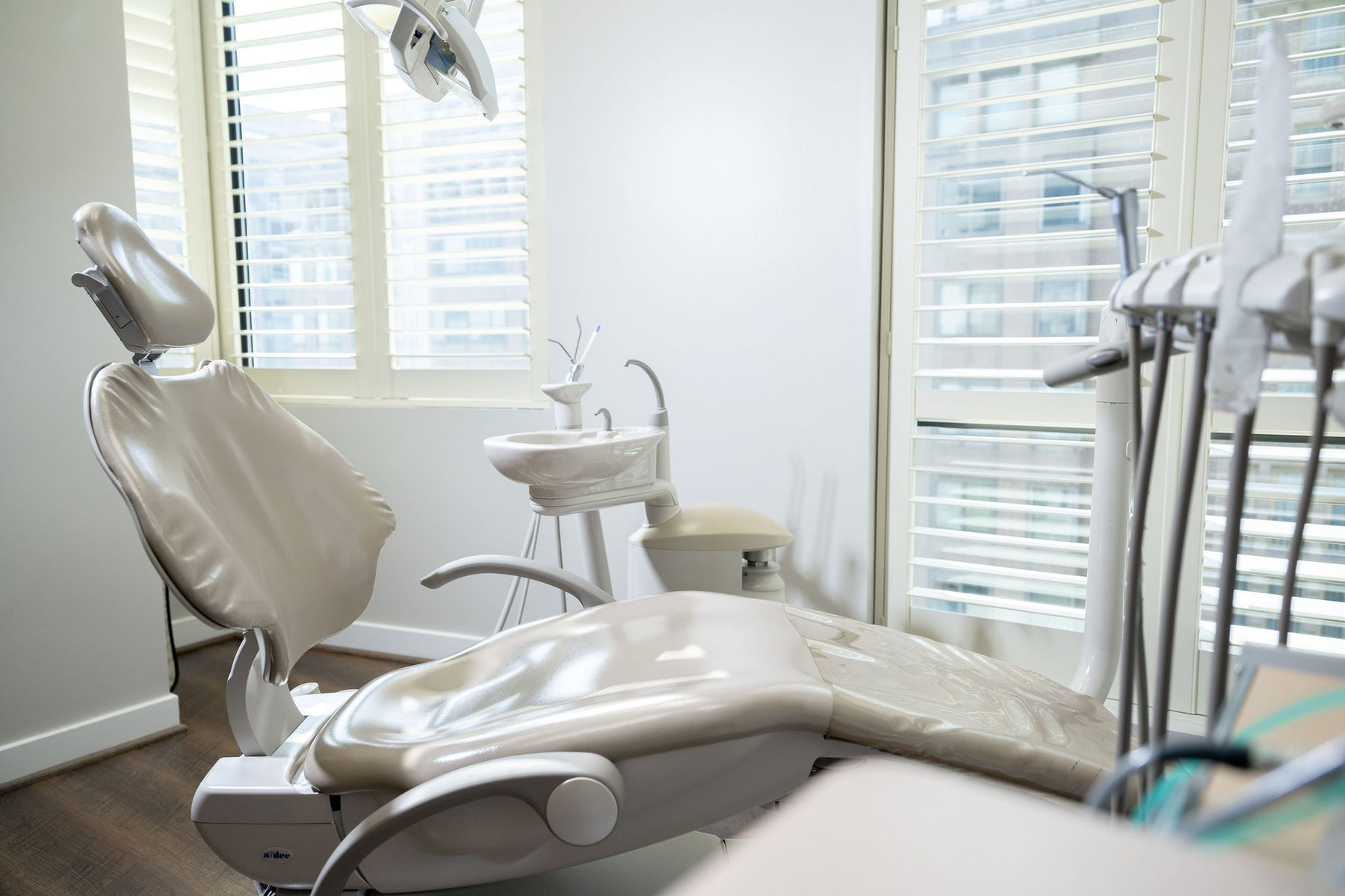
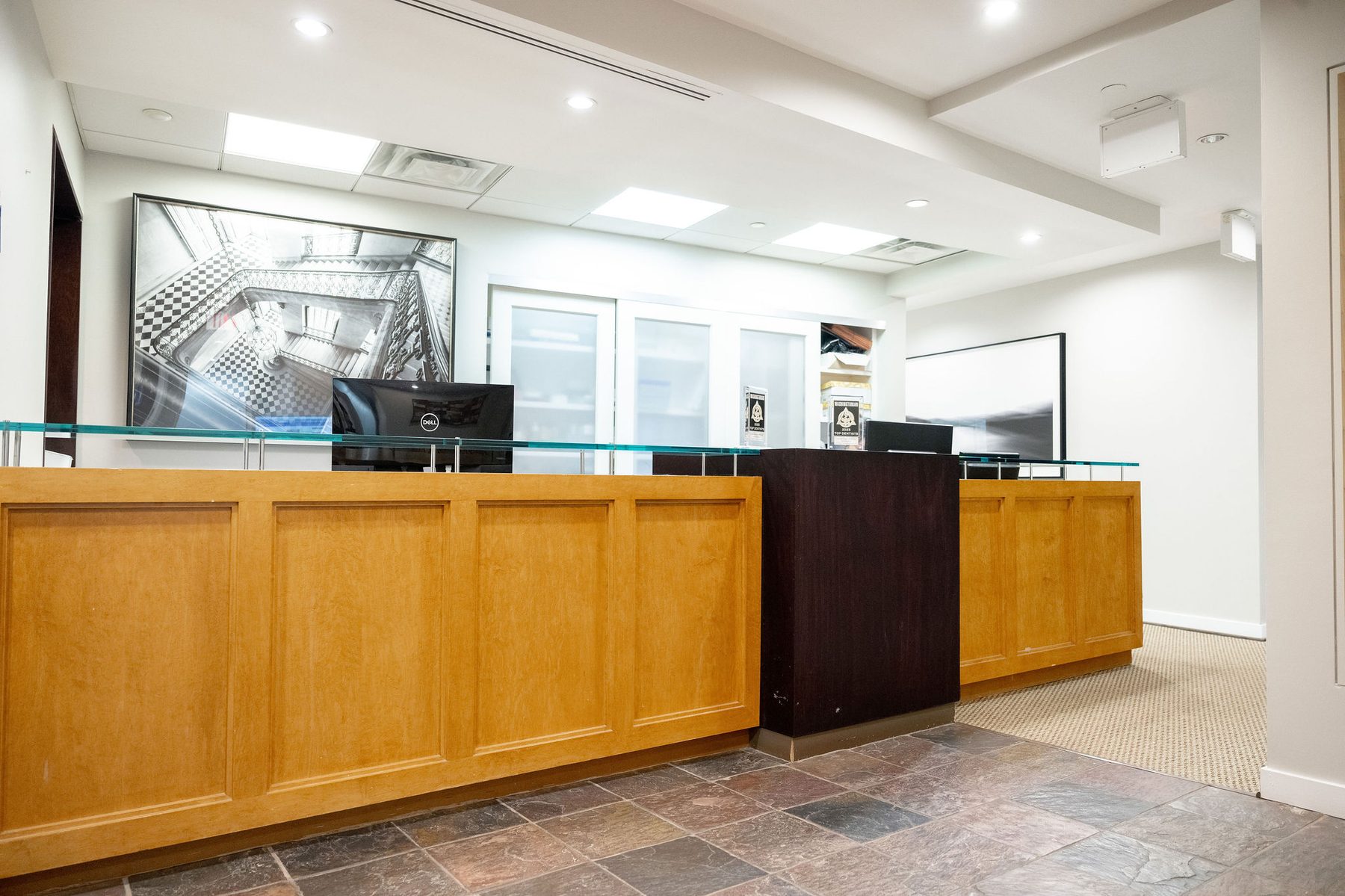
Where We Practice
Request An Appointment
Contact us with any questions or to schedule a consultation at our Washington DC, Alexandria, or Reston office. We look forward to welcoming you.