Consultation & Planning
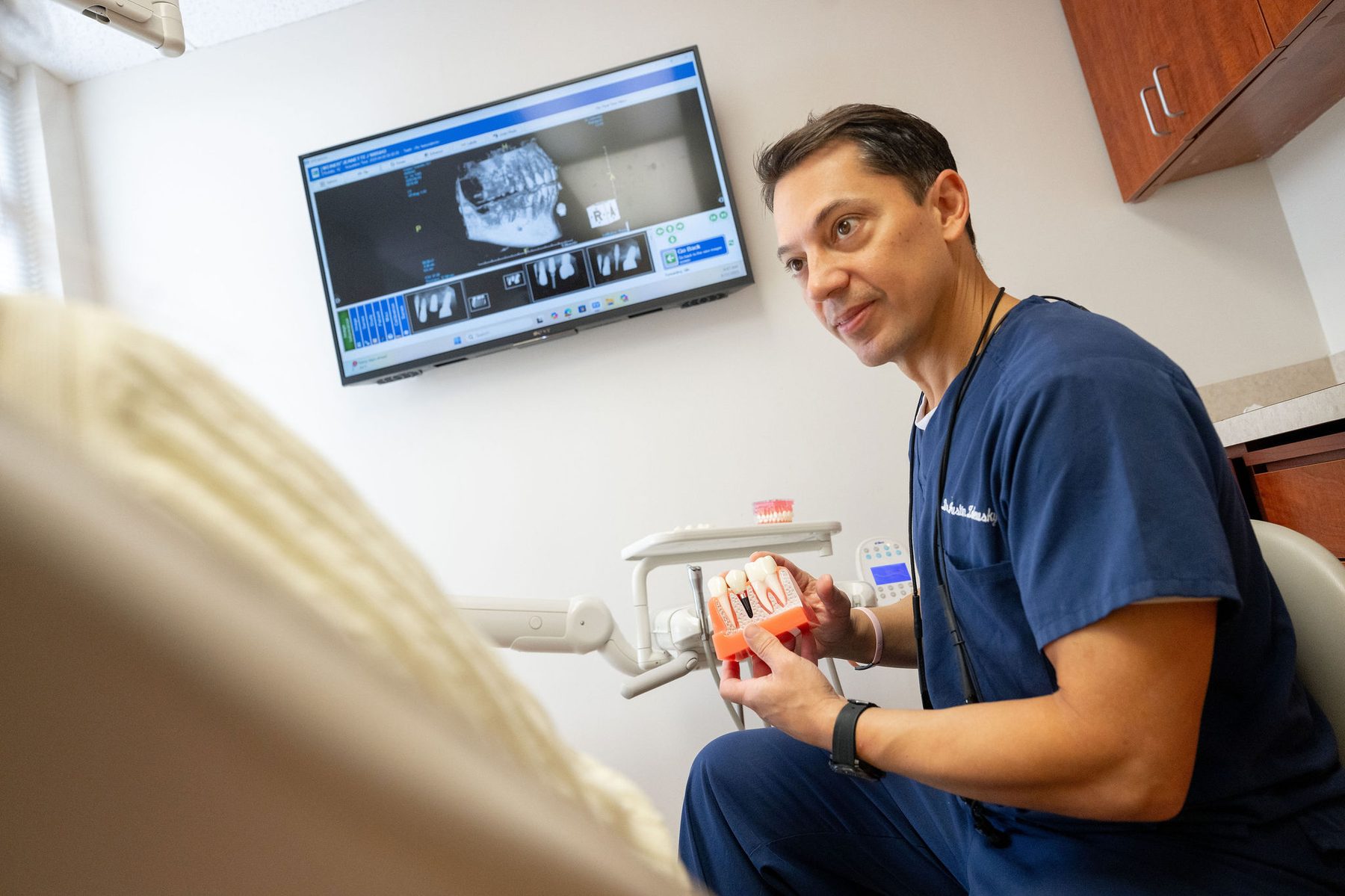
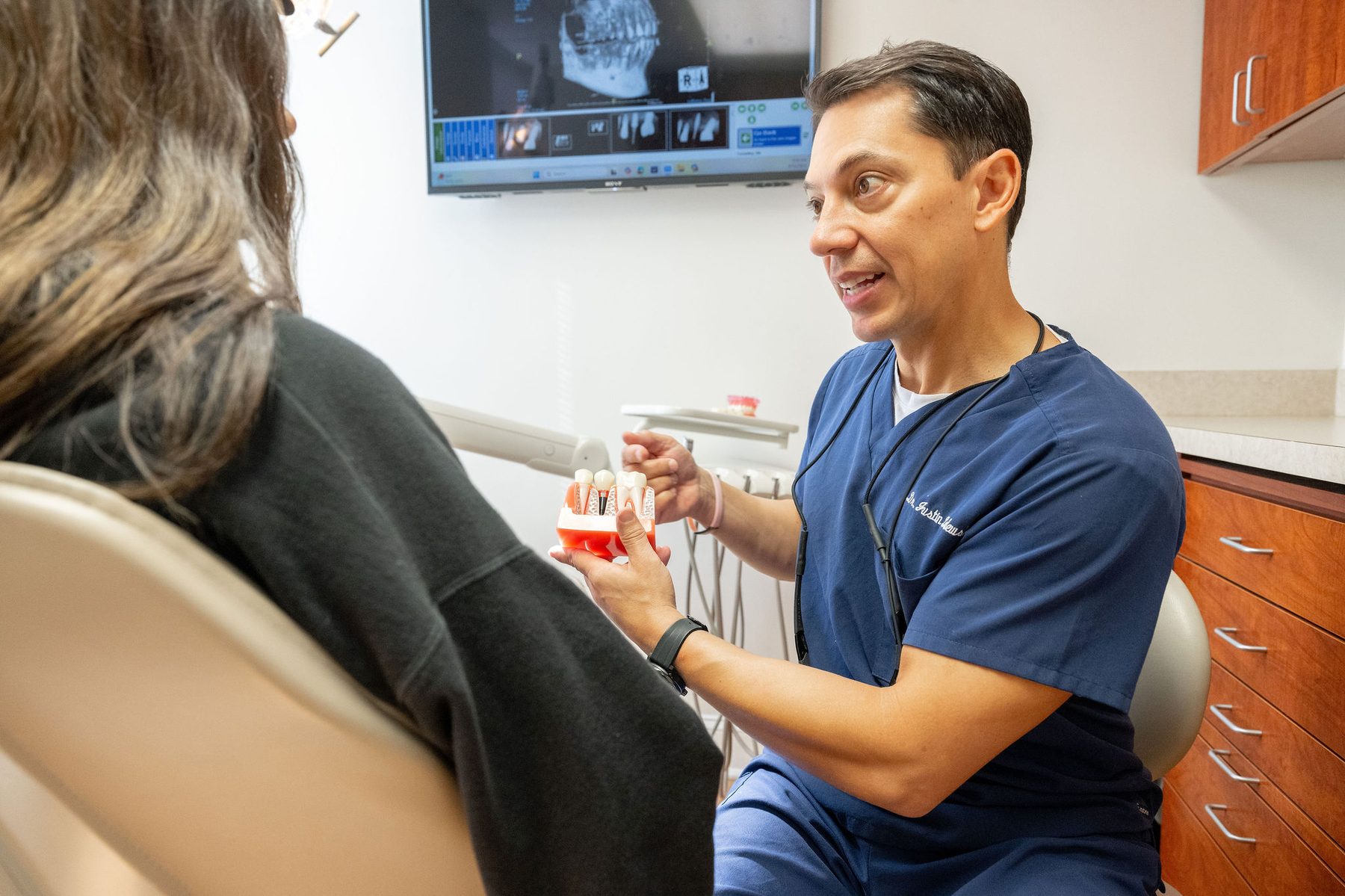
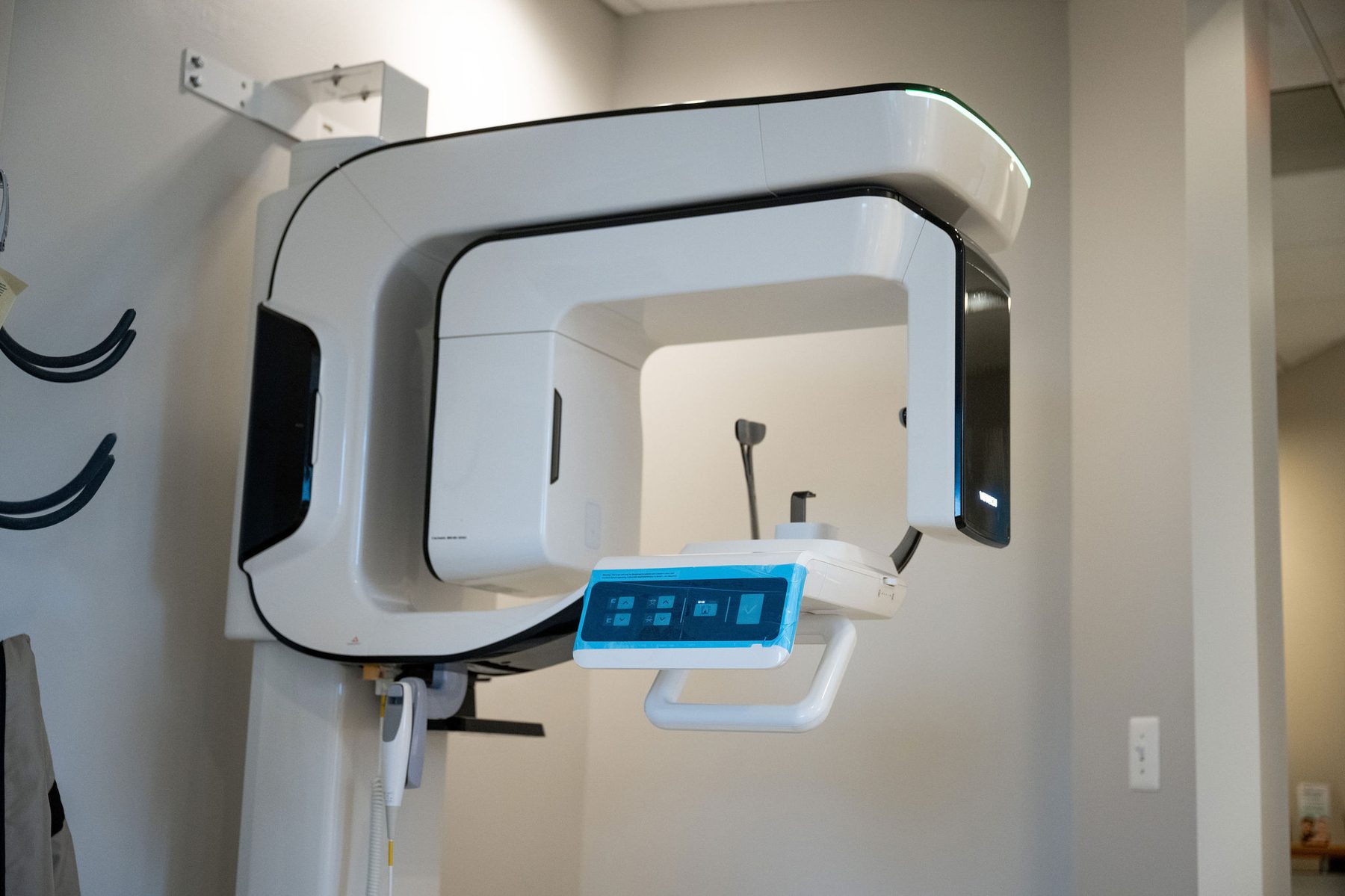
We meet, review your health history, and take diagnostic imaging (X-rays or CBCT 3D scans) to build a detailed view of your mouth structures and jawbone contours. From there, we develop a treatment plan tailored to you.
Dental Implants & Implantology
Specialty-trained periodontists have placed dental implants for our patients for more than 30 years. Precision, expertise, and results that look and feel natural.
Why Dental Implants
Along with the impact missing teeth can have on self-esteem and confidence, numerous health issues can develop when a tooth is not replaced over time:
Dental implants are one of the most common methods for addressing tooth loss. Essentially artificial tooth roots placed in your jawbone and given time to adhere to the bone, implants have been the preferred method for replacing teeth for the past 30+ years because of their strength in supporting replacement teeth and because they allow patients to return to normal daily activities with teeth that look and feel natural.
The Procedure
If it has been determined at your initial appointment that dental implants are the best treatment option for you, our staff will provide as much information as possible so you feel confident in the treatment ahead. If you have any questions or concerns, we're here to answer them.
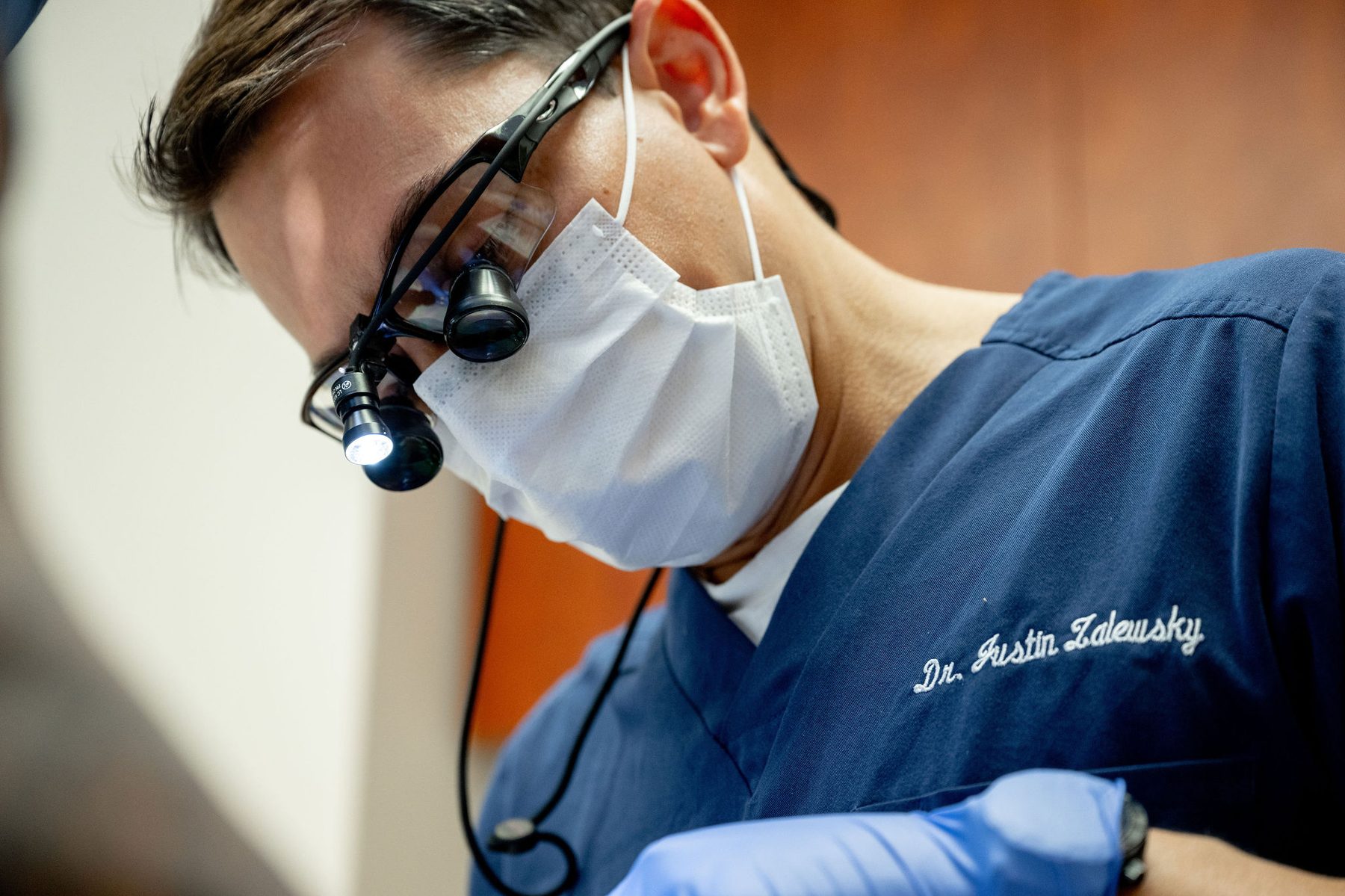
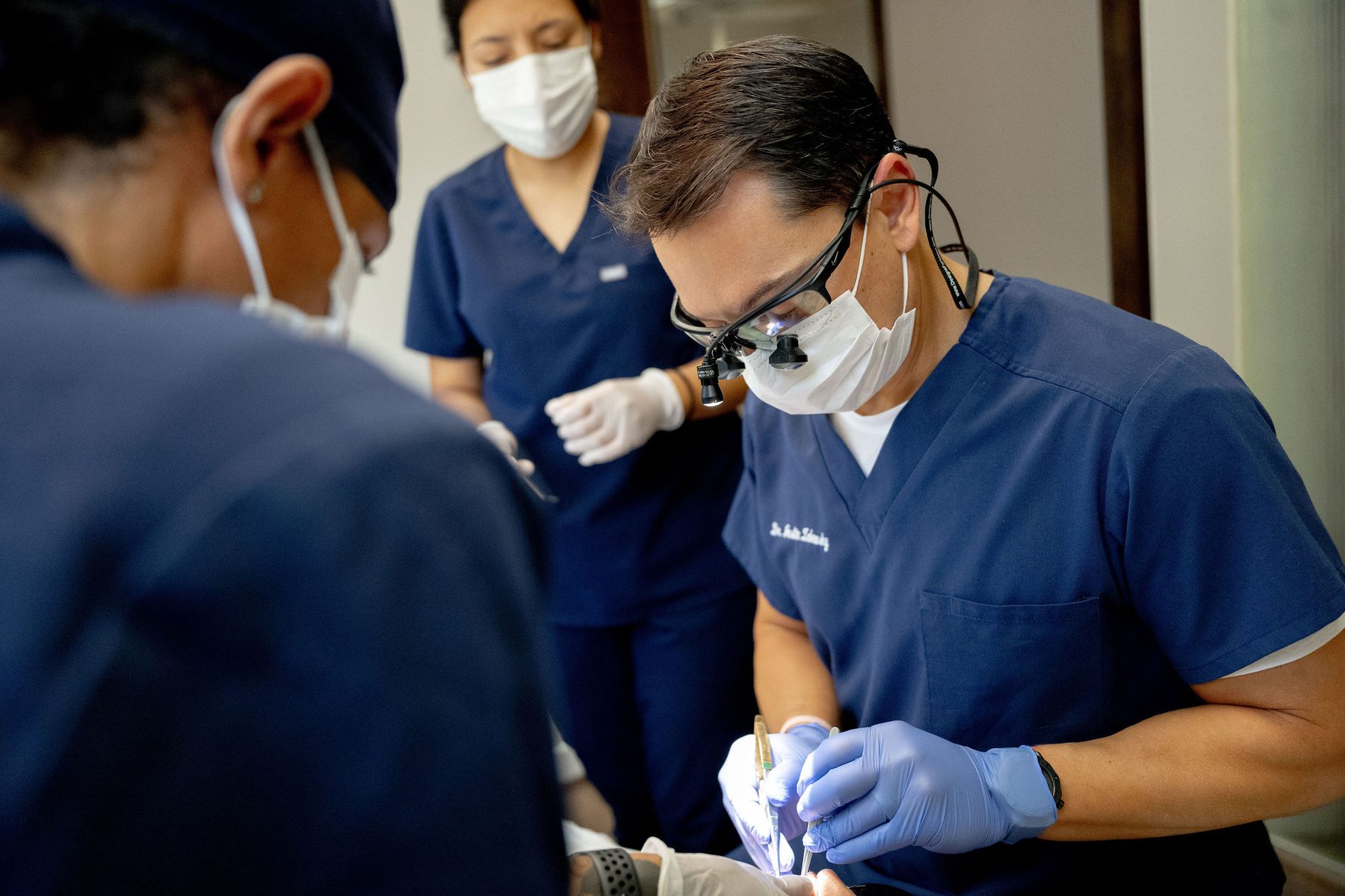
We meet, review your health history, and take diagnostic imaging (X-rays or CBCT 3D scans) to build a detailed view of your mouth structures and jawbone contours. From there, we develop a treatment plan tailored to you.
In some cases, patients need a tooth extracted or a bone grafting procedure first to build up the bone so it is strong enough to hold an implant. If either is required, we schedule those steps and give your body time to heal.
Your implant is placed in a location that will optimize tissue growth. Once the implant is properly positioned, a temporary restoration is placed while the site is given time to heal.
The bond between the implant and bone typically forms in about 6 to 8 weeks, though timing varies from patient to patient. During this time you continue with your temporary restoration.
Once the bond has been confirmed, a final crown is attached to the implant root. Your dental implant procedure is complete, and your replacement tooth looks, feels, and functions like a natural one.
With normal brushing, flossing, and regular checkups, your implant is built to last. We stay in your corner for follow-up care as long as you need us.
Implant Options
Whether you're replacing one tooth, a section, or a full arch, we offer implant solutions matched to your needs.
The gold standard for replacing an individual missing tooth. An artificial root fuses with your jawbone, then a custom crown completes the restoration for a natural look, feel, and function.
Ask about single-tooth implants →For patients missing most or all of their teeth, All-on-Four provides implant-supported dentures using just four strategically placed implants. Cost-effective, minimally invasive, and often completed in a single visit.
Learn about All-on-Four →A comprehensive solution for patients who have lost all their teeth. Typically four to six implants in the lower jaw and six to eight in the upper, finished with full bridges or full dentures anchored securely in place.
Learn about full mouth implants →Purpose-built dentures that snap onto titanium posts placed in your jaw. Choose between removable implant-supported dentures or a fixed implant restoration that acts like permanent teeth.
Learn about implant dentures →When the jawbone lacks the density needed to support an implant, a bone graft rebuilds the site so implant placement can proceed safely and successfully.
Ask about bone grafting →Our offices offer local anesthetic plus a range of sedation choices including oral sedation, nitrous oxide, and IV sedation, so we can match the level of comfort you need.
Ask about sedation →
Recovery & Aftercare
Plan on a soft food diet for the first two weeks, then gradually reintroduce harder foods. Once healing is complete, you won't need to follow any special aftercare instructions or modify your brushing and flossing routine. Regular checkups keep your implant, and the rest of your smile, on the right track.
Cost & Payment
The cost of your dental implant procedure depends on several factors: your insurance plan, whether additional procedures are needed (tooth extraction, bone graft, etc.), how many implants are being placed, and what type of sedation is administered.
Precision Periodontics is an out-of-network provider for all insurance plans. Our insurance coordinators work with your carrier to help with claims. For your convenience, we accept:
Frequently Asked
Among adults in the United States, dental implant treatment is one of the most popular solutions for missing teeth. A dental implant is a post that is surgically installed in the jawbone and designed to act like the root of a tooth, supporting an artificial crown or prosthetic denture attached on top. This designed stability and durability is one of the primary reasons why implants have become so popular. However, complications or long-term problems can occur after dental implant surgery. Before you commit to dental implant treatment, your dentist will want to make sure you are aware of potential dental implant problems. Here is a bit more information on the problems or complications that can occur after dental implant treatment. Inflammation around an implant has its own name and its own treatment path: peri-implant diseases and peri-implantitis explain the difference and why early attention matters. For a fuller discussion of what can go wrong and how these issues are managed, see dental implant problems. Longevity is a related question — the lifespan of a dental implant covers what determines how long an implant lasts.
Every year, tooth loss impacts millions of Americans. Tooth loss poses a challenge most specifically to the growing aging population. Thus, the demand for reliable tooth replacement options continues to increase. Of the many tooth replacement treatments available, dental implants are one of the most popular options. Dental implant technology continues to evolve producing newer implant systems that offer increased reliability. This evolution in technology includes transformations in visual modeling technology which has dramatically improved the customization of dental implants. Additionally, this rapidly changing technology has resulted in a rising number of available implant systems. The large number of options to choose from can make selecting the best dental implant system difficult. Once you have committed to dental implant treatment, your dentist will help you work through some of the bigger decisions you need to make in choosing the right implant system for you. Here is more information on dental implant systems, including some of the major factors to consider when choosing the best implant system for you. Most systems placed today use titanium; titanium dental implants explains why that material became the standard, and the dental abutment walks through the component that connects the implant to your final restoration.
Original Medicare (Parts A and B) generally does not cover dental implants or routine dental care. There are narrow exceptions, such as when dental work is medically necessary as part of a covered procedure (for example, jaw reconstruction after an accident or cancer treatment), but standard implant placement for missing teeth is not included.
Some Medicare Advantage (Part C) plans include supplemental dental benefits that may cover a portion of implant treatment. Coverage varies significantly by plan and often has annual maximums, waiting periods, or limits on the number of implants. If you have a Medicare Advantage plan, we recommend checking your Evidence of Coverage or calling your plan directly to confirm what is included.
Precision Periodontics is out-of-network for all insurance carriers. Our insurance coordinators will help submit claims to any dental benefit you carry, including Medicare Advantage dental riders, so you can use whatever coverage is available toward your treatment. If you are still weighing your options, dental implants vs. a dental bridge compares the two most common approaches, what dental implants are covers the basics, and our All-on-4 dental implant FAQ answers the questions we hear most about full-arch treatment.
Where We Practice
Request An Appointment
Contact us with any questions or to schedule a consultation at our Washington DC, Alexandria, or Reston office. We look forward to welcoming you.