
01
To Determine If You Are a Good Candidate
To determine if you are a good candidate for occlusal adjustment, your periodontist will check to see if any of the following symptoms are present:
Periodontics
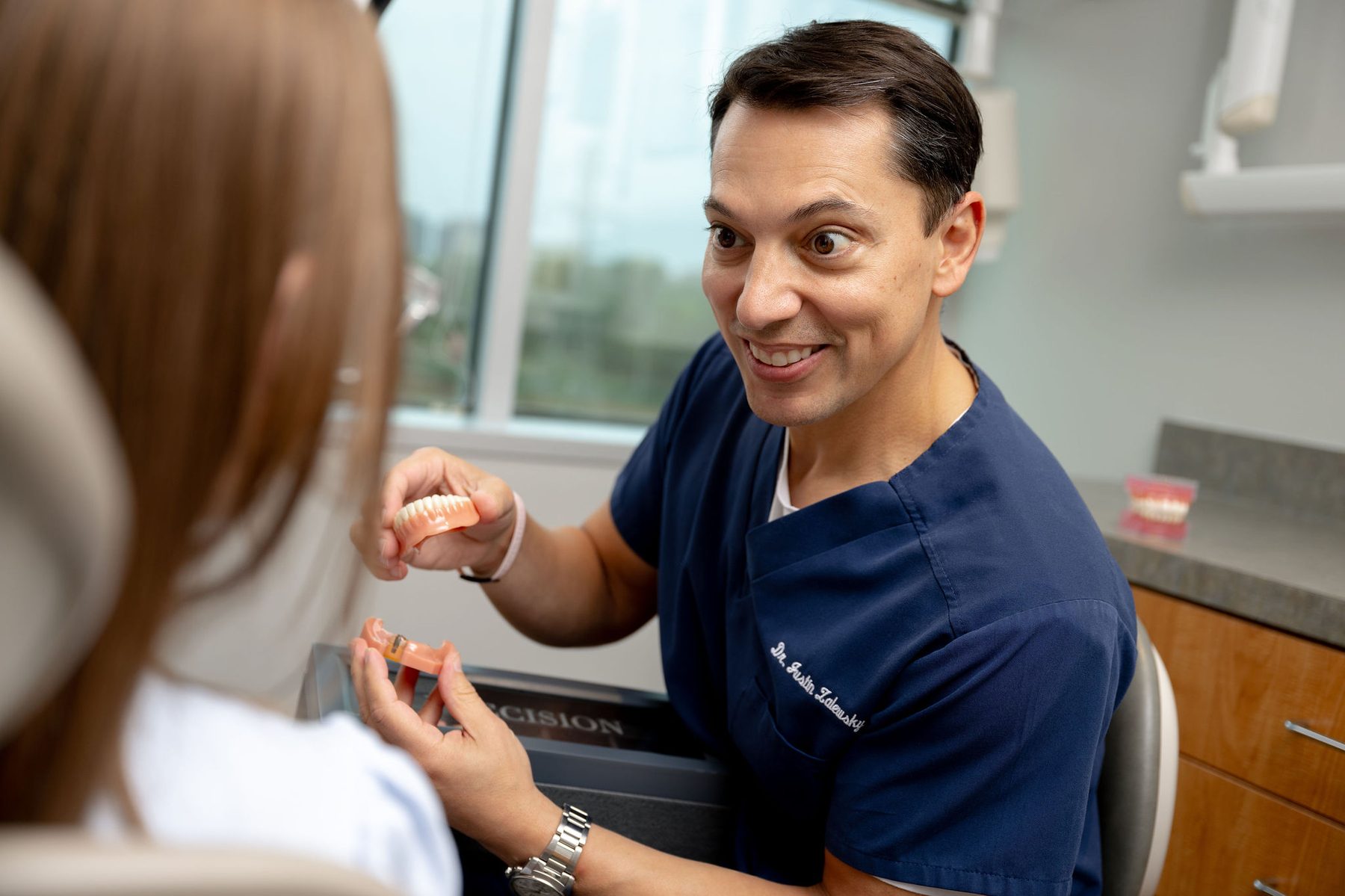
Fine-tune the bite so teeth, joint, and muscles work in harmony.
Periodontics
Occlusion refers to the way the upper and lower teeth come together when you bite. Ideally, the teeth should meet in a balanced manner without certain areas making contact too early or absorbing excessive force. When the teeth don’t align or come together properly, the condition is known as malocclusion.
Over time, an uneven bite can place added pressure on the teeth, supporting bone, jaw muscles, and temporomandibular joints, potentially contributing to tooth wear, discomfort, or other oral health concerns. An occlusal adjustment involves the careful reshaping of selected biting surfaces to improve the way the teeth meet and distribute pressure more evenly. The procedure may be performed as part of a prosthodontic reconstruction or, in certain cases, to help manage symptoms associated with temporomandibular joint disorders.
If left untreated, malocclusion can result in a range of oral health issues, including the following:
The Procedure
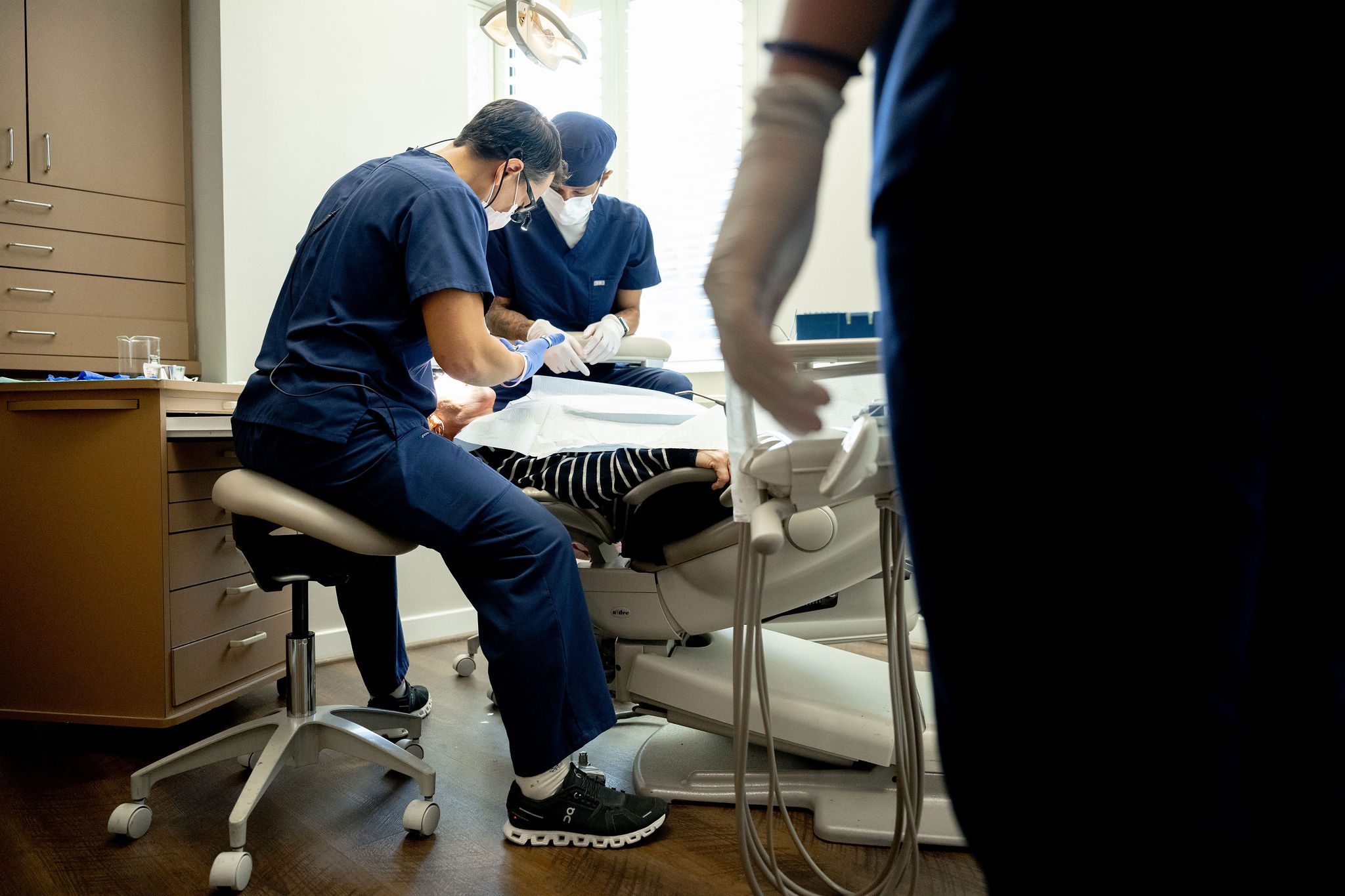
Here's what your occlusal adjustment treatment looks like, step by step.
To determine if you are a good candidate for occlusal adjustment, your periodontist will check to see if any of the following symptoms are present:
If any of these issues are present, there can be serious side effects, including migraines or severe headaches, bruxism, neckaches, joint or muscle spasms in your neck, jaw, or face, as well as negative effects on the aesthetics of your smile, which can impact your self-confidence. If it is determined that these symptoms are present and the result of issues related to your bite, your periodontist may recommend an occlusal adjustment.
Prematurity: Opposing teeth make contact before the jaw is shut completely.
Interference: Desired contact between your teeth is altered or inhibited.
Disharmony: Opposing teeth do not properly align.
Trauma: Trauma can cause opposing teeth to be off axis, which can cause damage to the tissue when making contact.
Recovery & Aftercare
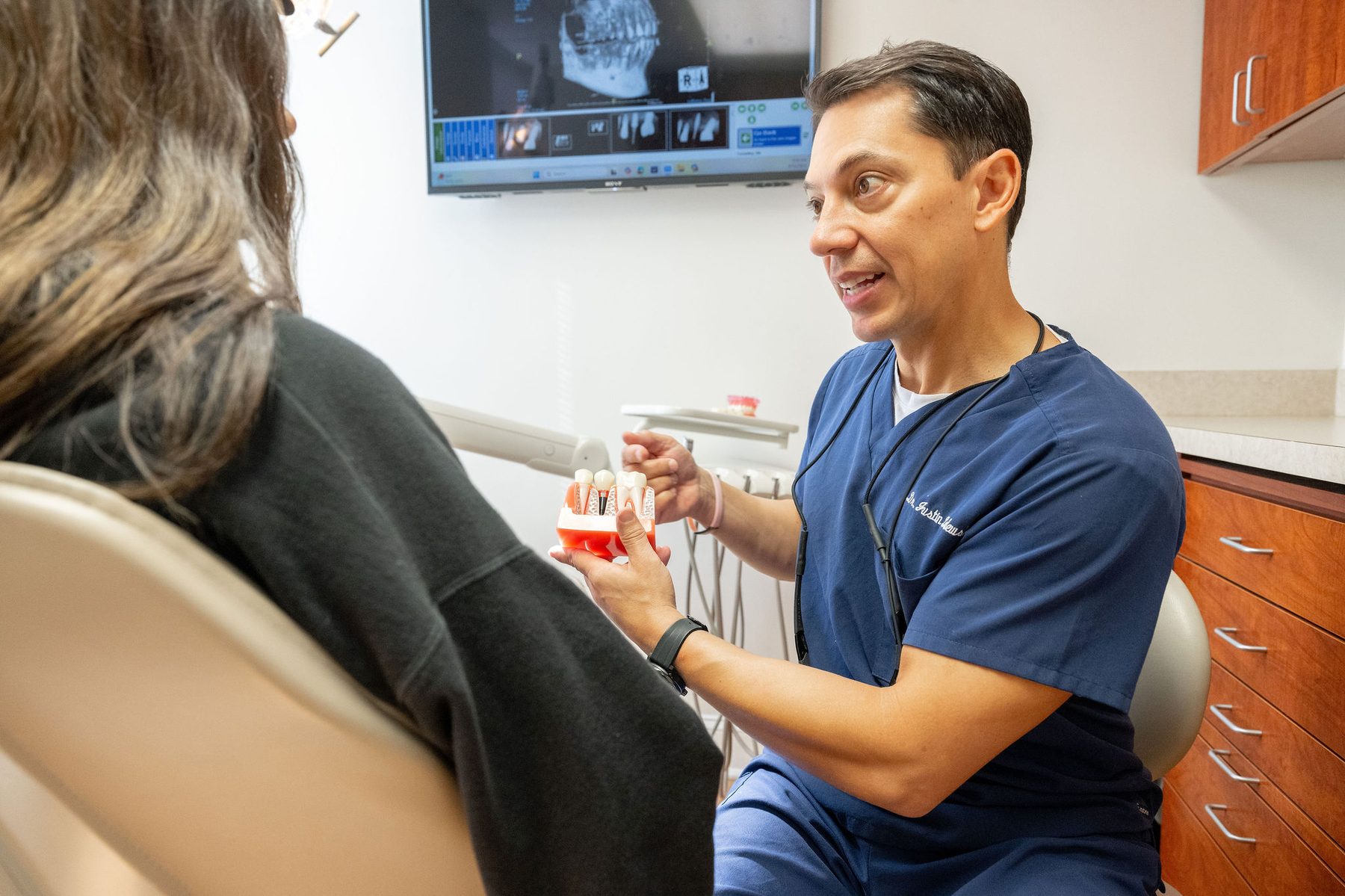
Most patients return to normal daily routines within a few days. Your periodontist will provide personalized aftercare instructions specific to your procedure and progress.
Frequently Asked
Chronic bruxism (grinding and clenching) creates uneven pressure points across your bite, which over time can wear enamel down unevenly and leave certain teeth taking more force than they should. Occlusal adjustment is often part of the treatment plan for bruxism patients because it addresses that root mechanical problem: by carefully reshaping the biting surfaces of the affected teeth, we restore an even, balanced contact so no single tooth is overloaded. It's typically paired with a night guard to protect the teeth while you sleep and, when needed, stress management or physical therapy for the jaw muscles. If you've been told you grind or wake up with jaw soreness or headaches, an occlusal exam is a good next step to see whether adjustment is right for you.
Occlusion is the term that describes the relationship between the teeth in the top row and the teeth in the bottom row when the jaws close while chewing or at rest. When an extreme force is exerted upon the teeth and this affects their alignment, they have undergone occlusal trauma. This misalignment is called traumatic occlusion, and it may result from occlusal trauma, or it may result from disease or dental treatment. Whenever the occlusion is negatively affected, causing tenderness, sensitivity, or pain and possibly damage to or migration of the teeth, this is considered traumatic occlusion, regardless of the cause. Traumatic occlusion may lead to thickening of the alveolar bone and periodontal ligament. It may also cause bleeding, cell injury and cell death, bone resorption, and damage to the cementum.
As an adult, loose teeth are a cause for concern. Loose teeth can be a sign that other serious and sometimes painful problems are happening in the mouth. If left untreated for too long, loose teeth are at risk of falling out or requiring extraction , further complicating the healing process. The most common causes of tooth looseness are gum disease, traumatic injury, and bruxism or teeth grinding. With gum disease, bacteria invade the mouth, decaying oral structures. When significant deterioration occurs, teeth can become loose in the mouth. Traumatic injury can happen as a result of accidental impacts sustained during activities like playing rough sports or simply falling. Not all injuries can cause teeth to break or fall out, sometimes teeth are loosened due to the impact. Grinding, or bruxism, can be a cause of loose teeth as well. When teeth are loosened because of bruxism, the best treatment is wearing a night guard.
Cost & Payment
The cost of an occlusal adjustment will depend on a variety of factors, including your dental insurance plan, whether or not additional procedures are required, the severity of your case, and what type of dental sedation (if any) was used.
At Precision Periodontics and Implant Dentistry, we are committed to ensuring that money is not a deterrent to our patients receiving the optimal dental health care they deserve. For this reason, we offer a range of payment options regardless of what type of treatment you are having, which our staff will be happy to explain and assist with. Our office insurance coordinators work with other insurance companies to assist patients with their claims.
For your convenience, Precision Periodontics and Implant Dentistry accepts cash, check, debit, and credit cards (Mastercard, American Express, Visa, and Discover). Our clinic also accepts GreenSky Patient Solutions, a financing option for procedures and treatments not typically covered by insurance or when insurance does not cover the entire cost. We are happy to provide an application in our office. You can find out more information about this service at https://www.greensky.com/patient-faq/.
For your convenience, we accept:
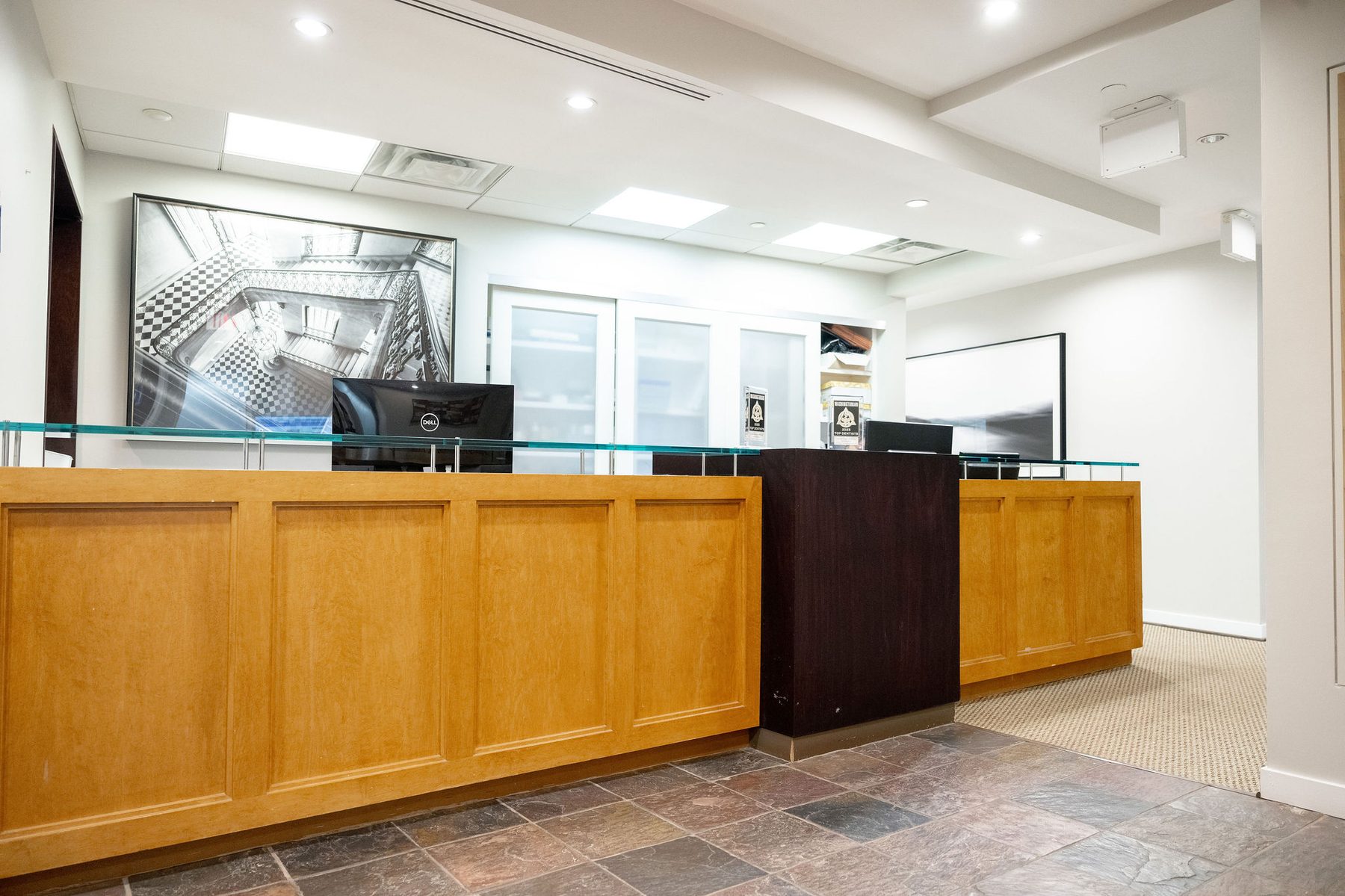
Where We Practice
Request An Appointment
Contact us with any questions or to schedule a consultation at our Washington DC, Alexandria, or Reston office. We look forward to welcoming you.