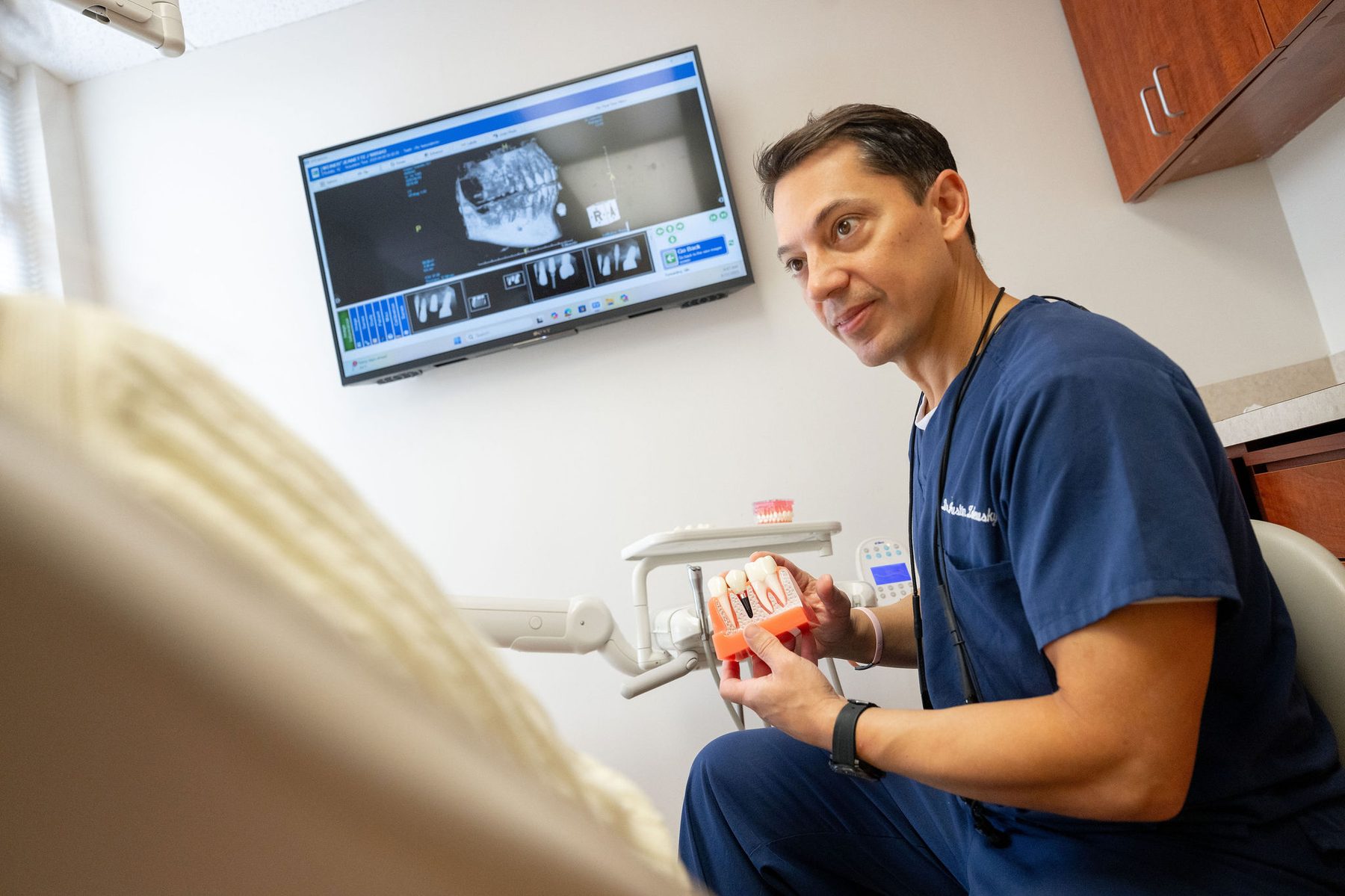
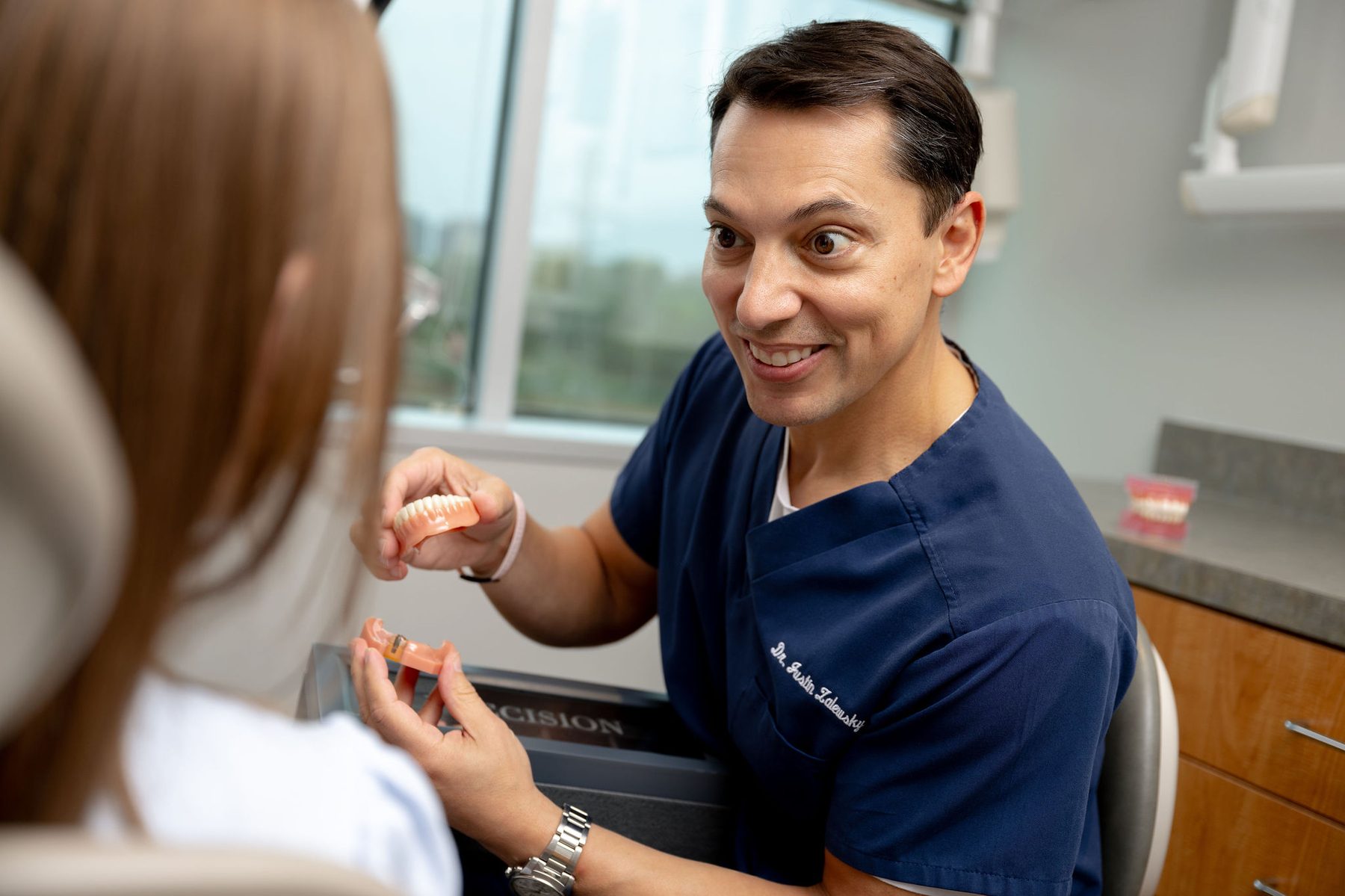
Dr. Zalewsky demonstrating a treatment model

Dental Implants

Dental Bone Grafts

Rebuild bone volume so implants can be placed safely and successfully.

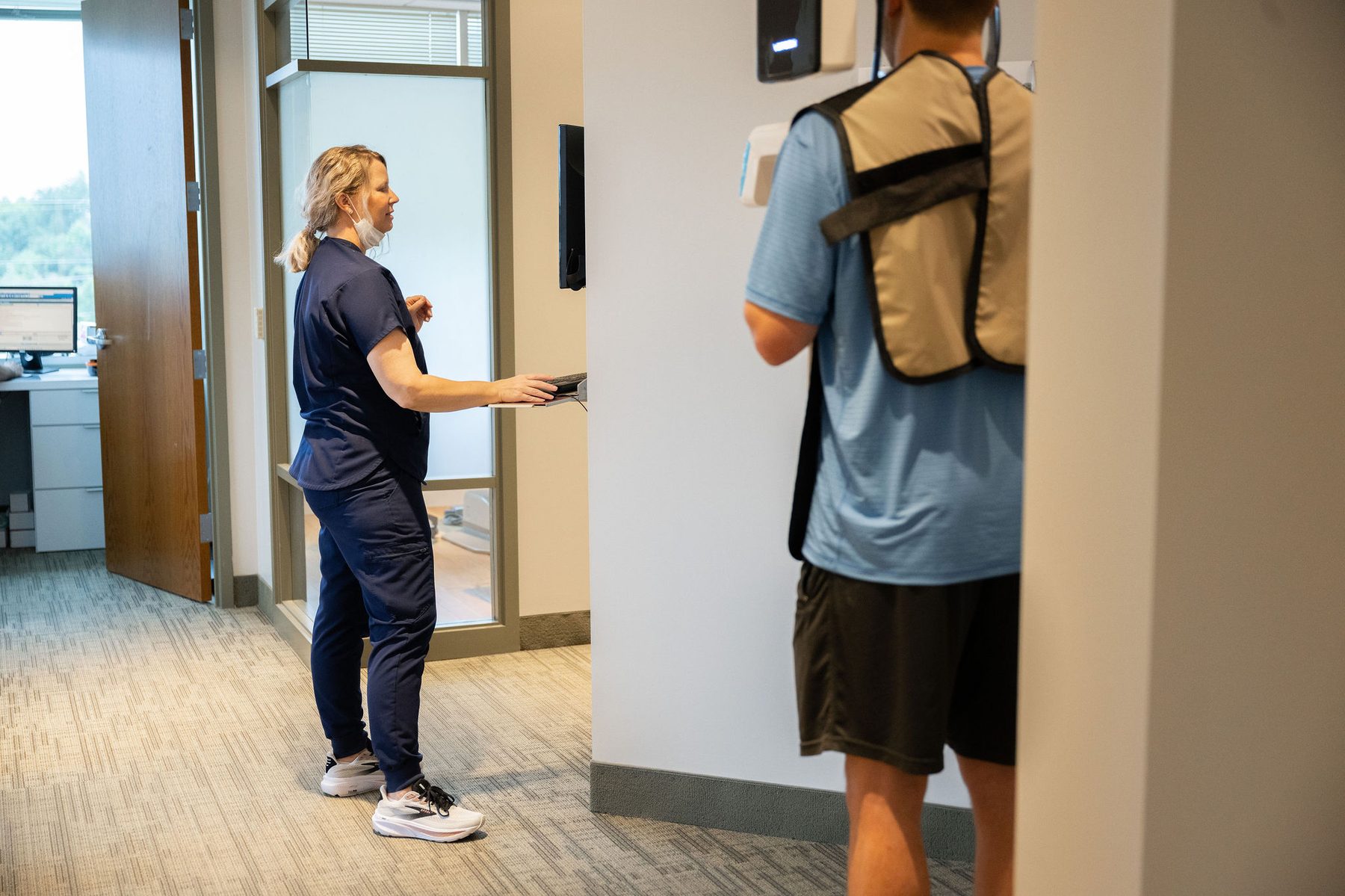
Dr. Zalewsky reviewing imaging with a patient

Dental Implants

Rebuild the bone that supports a stable implant.

The primary reason a patient undergoes a dental bone graft is to create sufficient bone density for the placement of a dental implant. Bone grafting may be performed after a tooth extraction or to help preserve teeth that are at risk of being lost due to periodontal disease.

Dental bone grafts can be made from a variety of materials, the most common being bone harvested from your body (either the jaw or hip), bone harvested from an animal or cadaver, or a graft made of synthetic material. Regardless of the material type, the graft will be strategically placed. Once the bone has healed, you will be ready to have a dental implant placed.

At Precision Periodontics and Implant Dentistry, our specialty-trained periodontists, our specialty-trained periodontists have years of experience treating a wide range of stages of gum disease and placing dental implants. To learn more about dental bone grafting, our clinic facilities, or to schedule an appointment, contact our Alexandria, VA office at (703) 823-2422 or our Washington, D.C. office at (202) 296-3360.

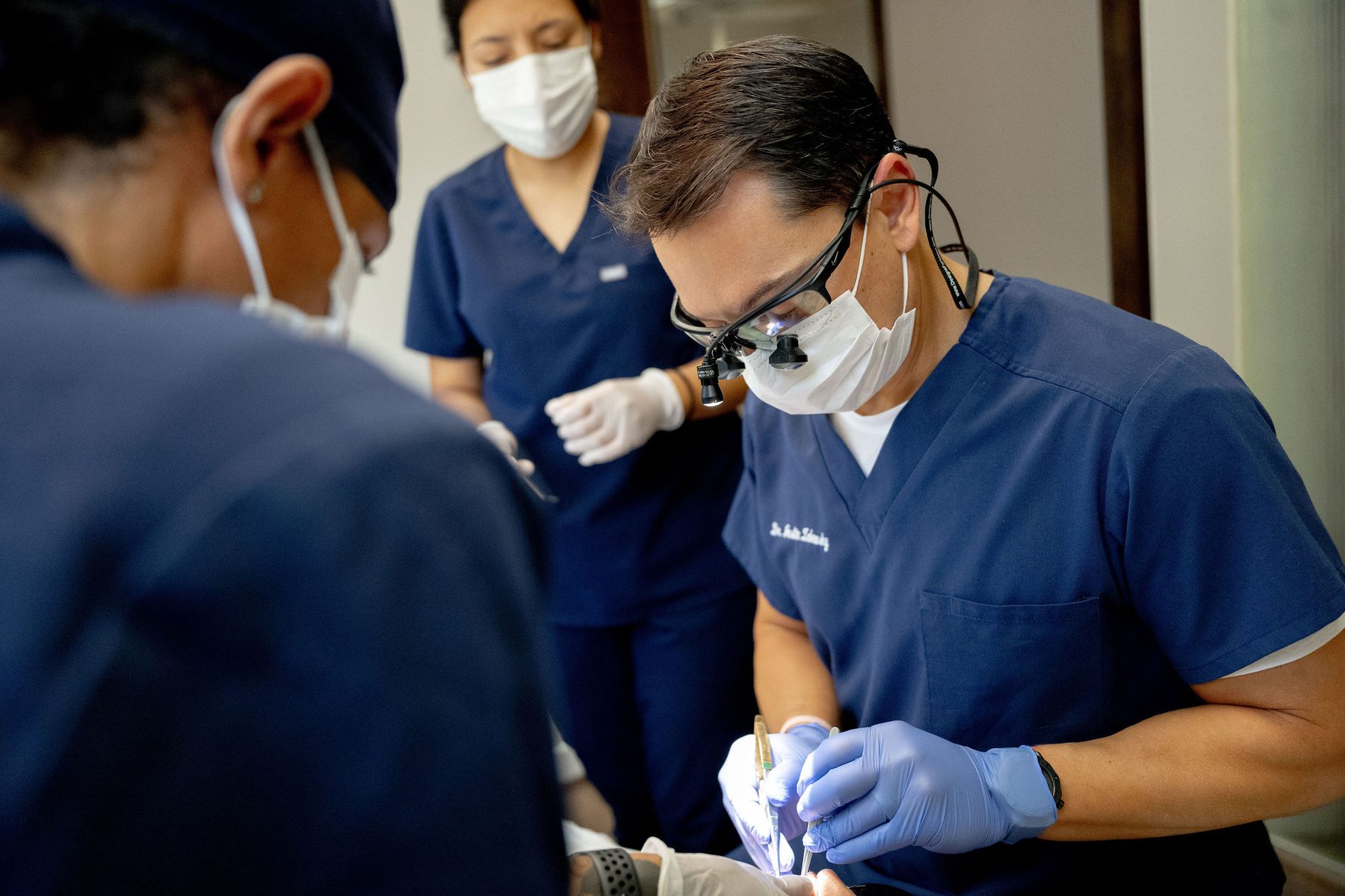
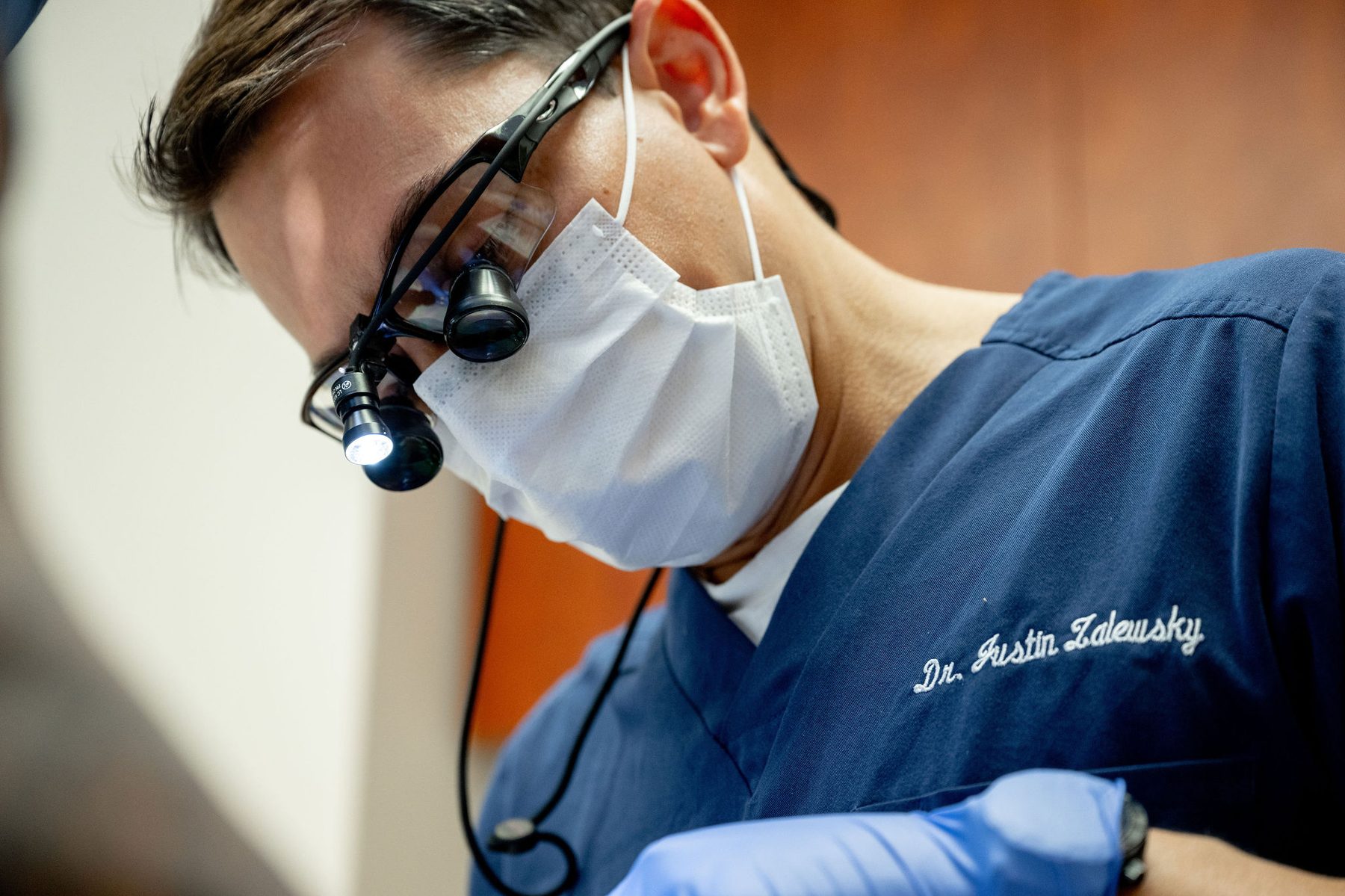
Close-up view of a periodontal procedure

The Procedure

What to expect from your treatment.

Here's what your dental bone grafts treatment looks like, step by step.

01

Your Dental Bone Graft Procedure

Prior to your dental bone graft procedure, your periodontist will administer a local anesthetic and/or sedation if necessary. Once you are properly numbed, your periodontist will peel back your gum in order to clean out any bacteria, infected gum tissue, and smooth out any rough tooth surfaces. Once the area has been properly cleaned, the graft material will be placed and then covered with a special membrane that will facilitate bone growth and protect the area from bacteria.

02

The Dental Bone Graft Procedure Is Complete

Once the dental bone graft procedure is complete, the healing process can begin, and your new bone can start to grow. Although you will typically recover from this procedure within 7-10 days, the process of growing a new bone can range from four to nine months. During this time, your periodontist will continue to test the graft to ensure it is secure and stable. Once the graft has fused sufficiently, you will be ready to have dental implants placed.

03

An Important Thing to Keep in Mind Is

An important thing to keep in mind is that even though most patients will have success with their bone graft, success is not guaranteed. There are a variety of reasons a dental bone graft may not develop, but the most common is due to patients contracting an oral infection.

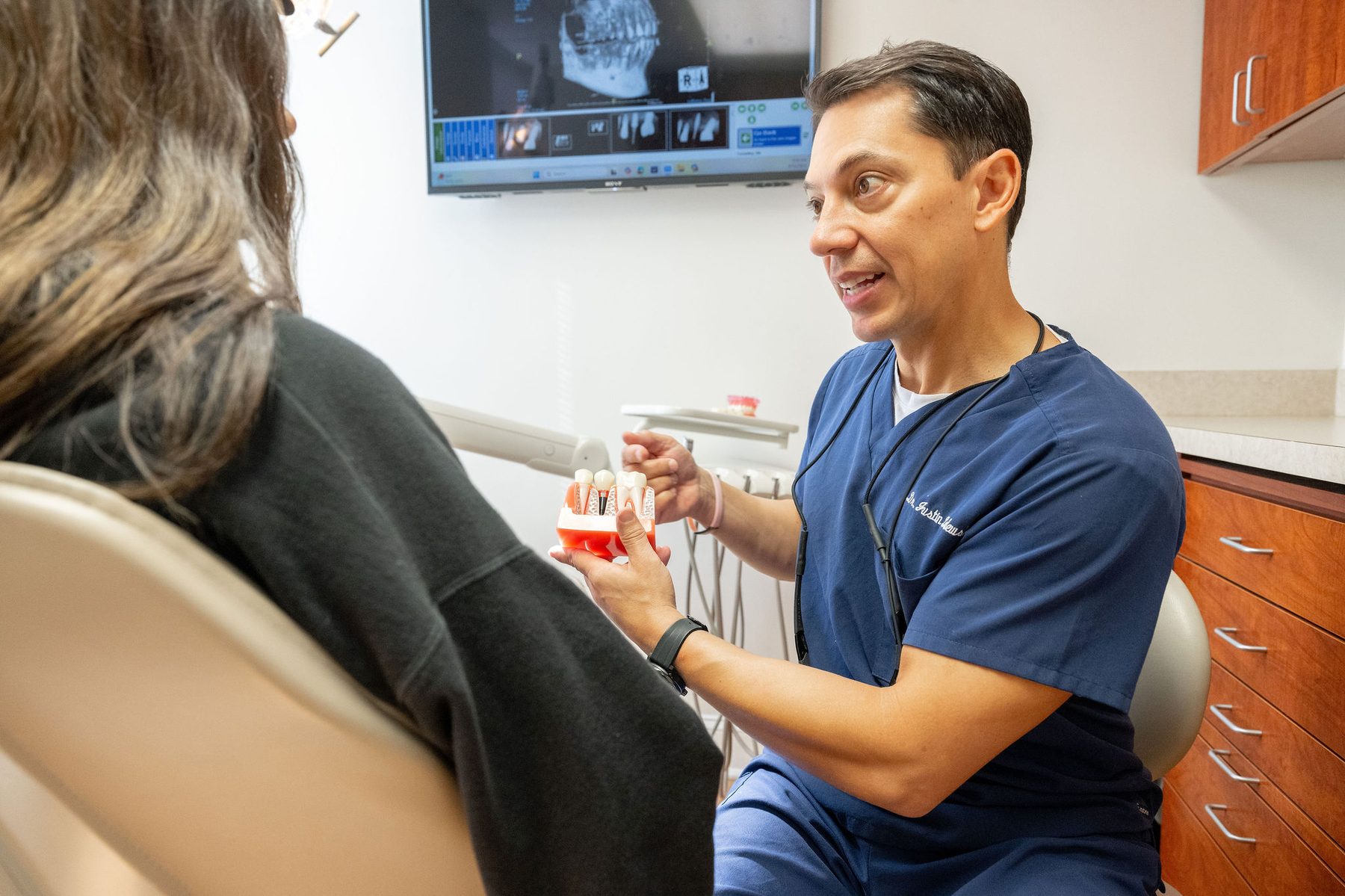
Dr. Zalewsky in patient consultation

Recovery & Aftercare

A short recovery, a long-term result.

The initial healing process following a dental bone graft procedure is around 7-10 days, but it will take significantly longer for the bone graft to fuse with your jawbone. Immediately following your bone grafting procedure, it is essential that you follow post-procedure instructions. Follow the prescribed dosage of medication and antibiotics and avoid vigorous brushing or rinsing. It is also important to avoid touching the surgical site as much as possible. Swelling following a dental bone graft is also common and can generally be addressed through the use of ice packs and anti-inflammatory over-the-counter medication.

Once you have completed the healing process, it will not be necessary to follow additional aftercare instructions; however, in order to maximize the benefits of your procedure, it is imperative that you continue practicing good daily oral hygiene. Be sure to brush and floss twice daily and continue scheduling regular visits to your dentist or periodontist. These regular visits ensure that your teeth will receive regular professional cleanings and will also reduce your risk of developing underlying issues such as gingivitis or periodontitis. If you follow these best practices, you will enjoy a bright and healthy smile for many years to come!

Frequently Asked

Common questions about this treatment.

How long is recovery from dental bone grafting?

Recovering from a dental bone graft can take anywhere from a couple of weeks to a few months, depending on the age and health of the patient and the type of surgery performed. The grafted bone must completely fuse to the natural bone before a dental implant can be placed, and this healing process is monitored by the dentist at follow-up appointments and usually takes about three months, though it may take longer, depending on the location and type of graft and the age and overall health of the patient. Discomfort and swelling from the grafting procedure will subside well before the area is fully healed, and risk of infection passes once the course of antibiotics is completed. If you are considering dental implants but are concerned about the amount of healthy bone you have in your jaw, talk to your dentist about whether a bone grafting procedure is a good choice for you.

How much does dental bone grafting cost?

The cost of dental bone grafts varies widely, depending on the condition of the individual jawbone and the specific needs of the patient. A simple graft that uses synthetic bone usually ranges from $300 to $800 for each implant area. If the graft is to be performed using the patient’s own bone, the patient must be hospitalized to extract the bone, and an orthopedic surgeon and anesthesiologist must be hired, thereby increasing cost. The estimated range in cost for this type of procedure is $2,500 to $3,500. Patients are likely to incur additional costs in the form of x-rays, CT scans, or other types of screening procedures, which can increase the cost by anywhere from $250 to $1,000.

Are dental bone grafts painful?

All types of dental bone grafts are outpatient procedures that are performed while the patient is under sedation. This means that the procedure itself is simple and painless. As the graft heals, there may be minor discomfort at the beginning, but there should be no pain. Most patients receive a course of oral antibiotics after a bone grafting procedure, to prevent any possible infection. Once the graft has healed fully, the dentist will place your dental implant; this healing takes a different amount of time for everyone. The dentist must wait for the graft to fuse to the natural bone, which can take anywhere from three months to a year, depending on the type of graft, location in the mouth, overall health of the patient, and possibly other factors.

Cost & Payment

Money shouldn't stand between you and the care you deserve.

The cost of a dental bone graft will depend on a variety of factors, including your dental insurance plan, whether or not additional procedures are required, the severity of your case, and what type of dental sedation (if any) is used.

At Precision Periodontics and Implant Dentistry, we are committed to ensuring that money is not a deterrent to our patients receiving the optimal dental health care they deserve. For this reason, we offer a range of payment options regardless of what type of treatment you are having, which our staff will be happy to explain and assist with. Our office insurance coordinators work with other insurance companies to assist patients with their claims.

For your convenience, Precision Periodontics and Implant Dentistry accepts cash, check, debit, and credit cards (Mastercard, American Express, Visa, and Discover). Our clinic also accepts GreenSky Patient Solutions, a financing option for procedures and treatments not typically covered by insurance or when insurance does not cover the entire cost. We are happy to provide an application in our office. You can find out more information about this service at https://www.greensky.com/patient-faq/.

For your convenience, we accept:

  • Cash and check
  • Debit cards
  • Credit cards (Mastercard, American Express, Visa, Discover)
  • GreenSky Patient Solutions financing

Ask about your treatment

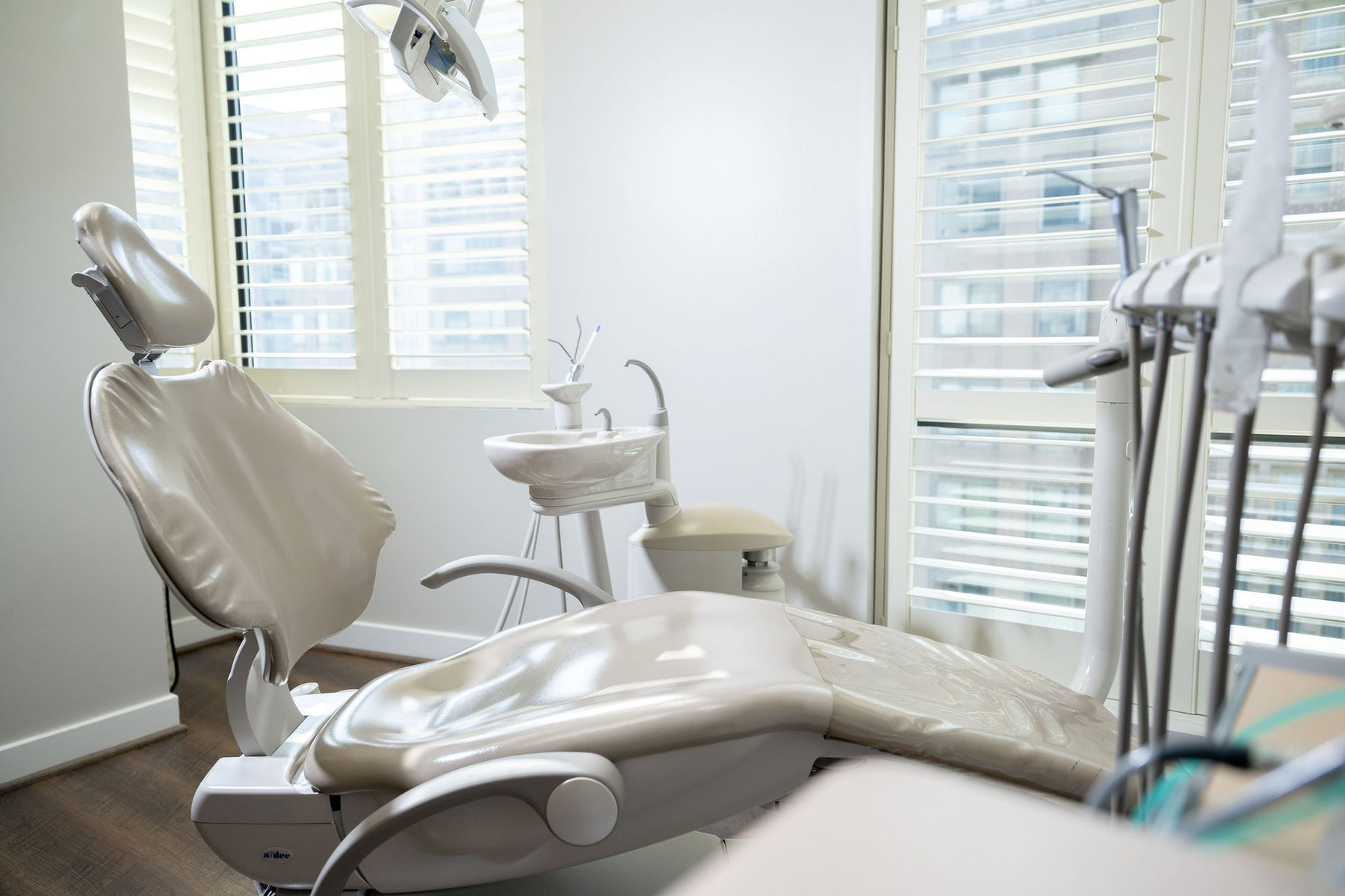
Clean operatory ready for a patient

Where We Practice

Care delivered at three Washington-area offices.

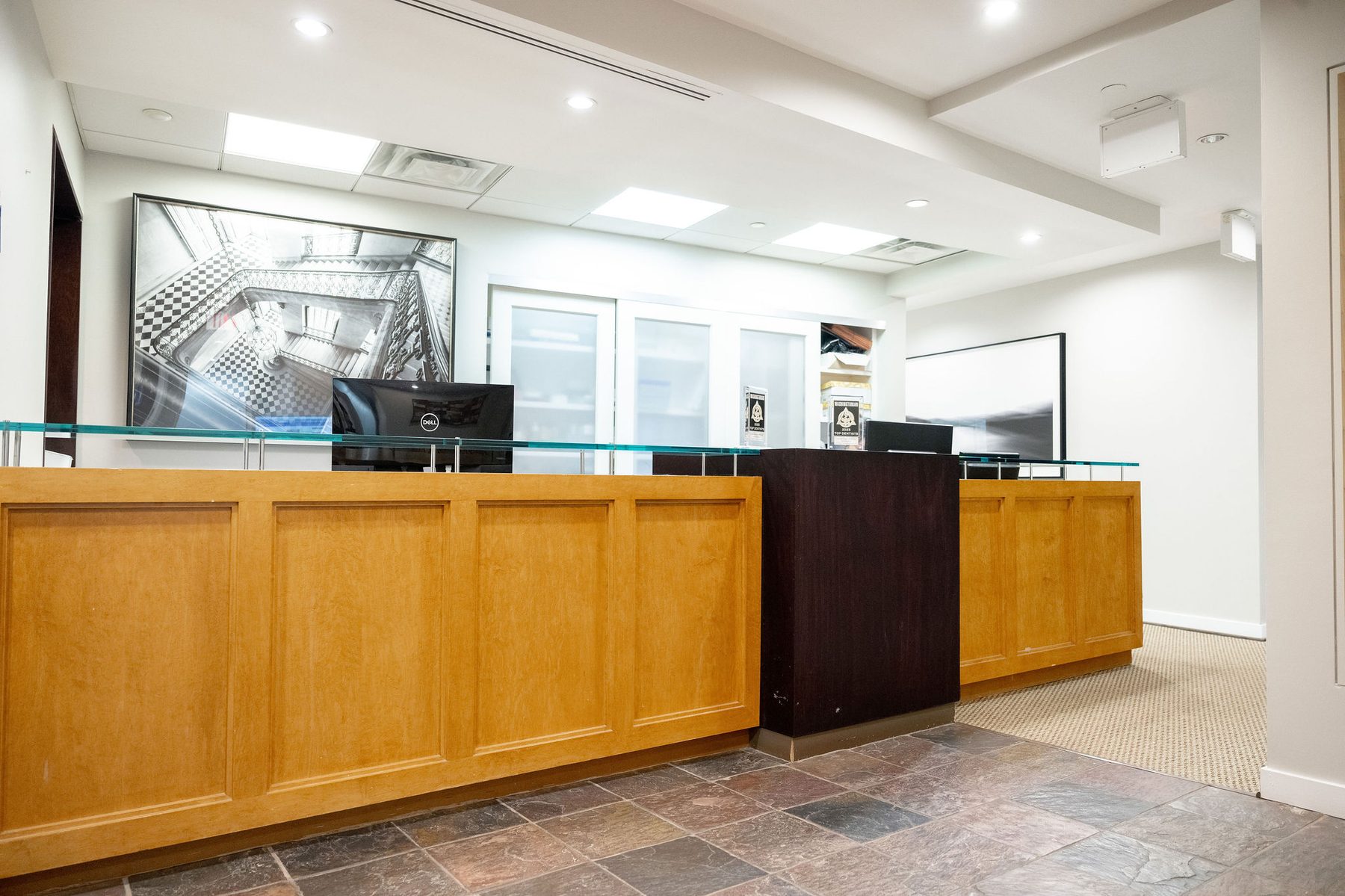
Precision Periodontics Washington DC reception

Washington, DC

2311 M Street NW, Suite 500
Washington, DC 20037

(202) 296-3360
Precision Periodontics Alexandria VA office

Alexandria, VA

4660 Kenmore Avenue, Suite 300 & 312
Alexandria, VA 22304

(703) 823-2422
Precision Periodontics Reston VA office

Reston, VA

1886 Metro Center Drive, Suite 610
Reston, VA 20190

(703) 689-4442

Request An Appointment

Let us help you achieve a healthier, more confident smile.

Contact us with any questions or to schedule a consultation at our Washington DC, Alexandria, or Reston office. We look forward to welcoming you.