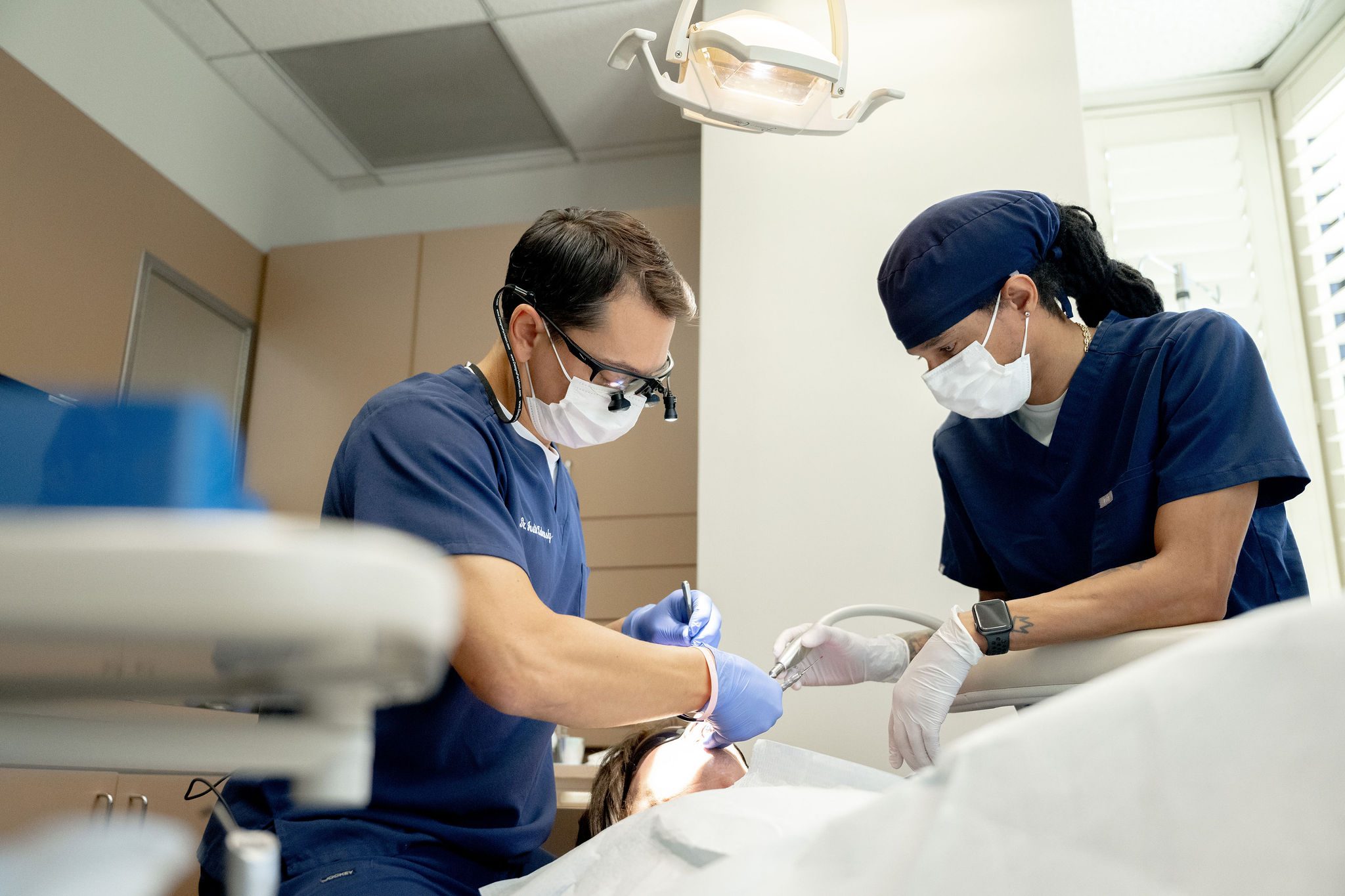
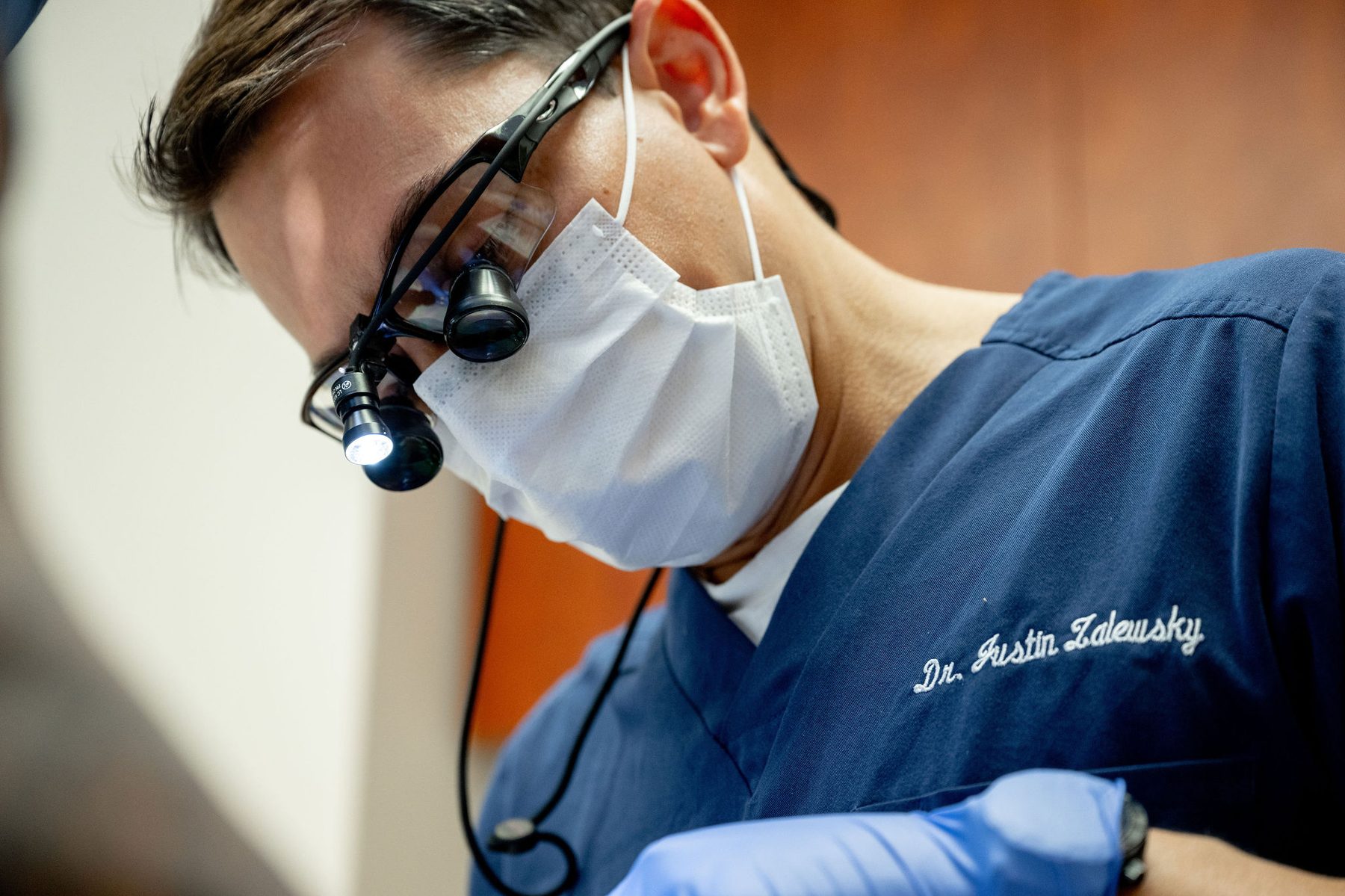
Dr. Zalewsky in patient consultation

Periodontics

Periodontal Maintenance

Ongoing care that keeps periodontal treatment results holding for the long term.

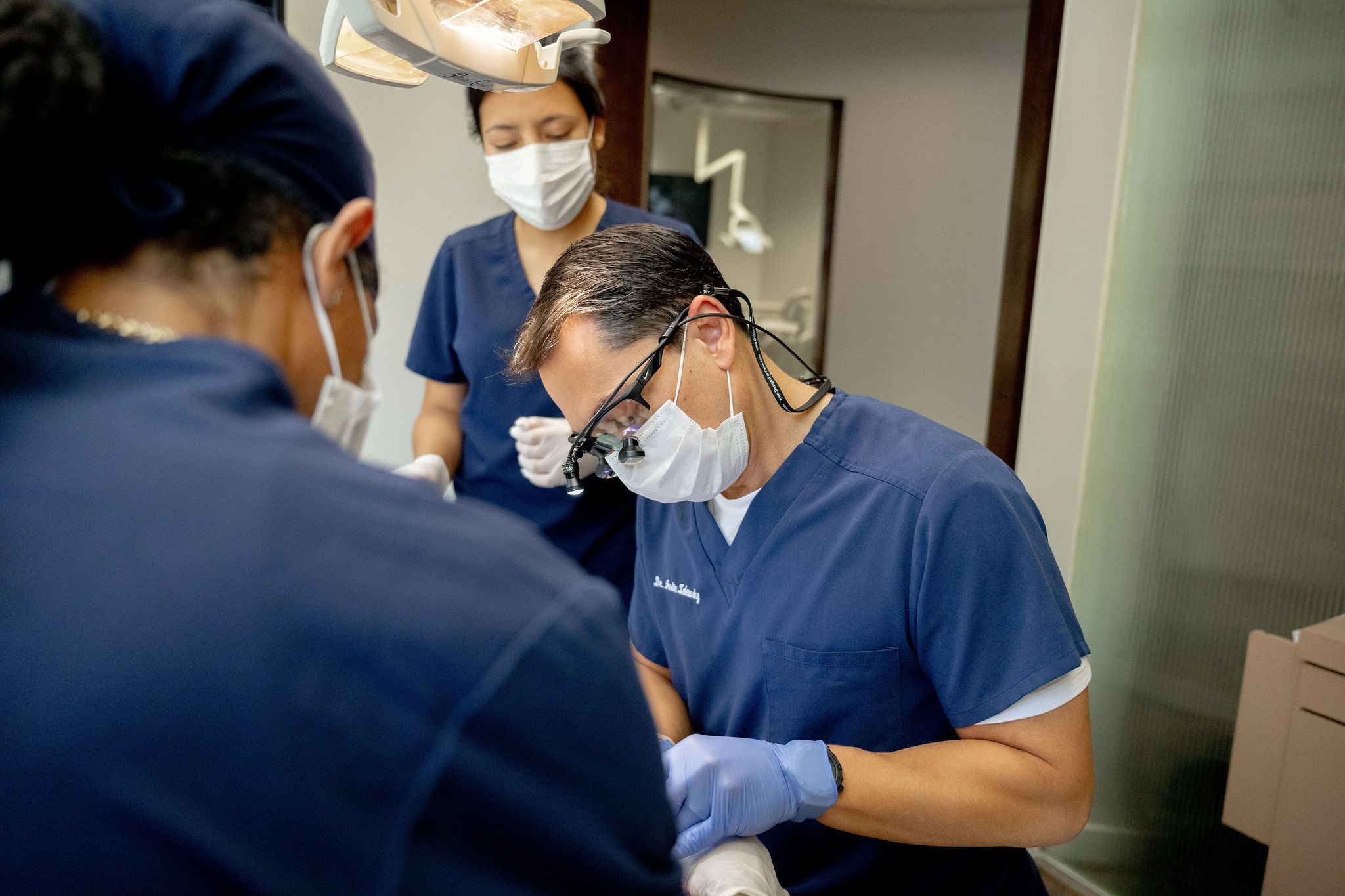
Two clinicians during a surgical procedure

Periodontics

Periodontal treatment works — as long as you keep it working.

Gum disease is generally preventable, provided you practice good daily oral hygiene habits and schedule regular visits to your dentist for cleanings and examinations. If your dentist has informed you that you have developed gum (periodontal) disease, though, it is important to schedule a visit to treat the issue as soon as possible. If left untreated, gum disease can progress to periodontitis and eventually advanced periodontitis.

The initial stage of gum disease will typically present as swollen and/or bleeding gums. Eventually, the disease will lead to the decay and deterioration of the jawbone and/or the loss of teeth.

To prevent or treat gum disease, the best thing you can do (in addition to practicing good daily oral hygiene habits) is to schedule regular periodontal maintenance. Unlike the traditionally recommended dental visit every six months, patients who have developed or are more susceptible to gum disease should schedule periodontal maintenance every three months. The frequency will vary depending upon the severity of your case, how quickly you develop plaque, and how successful previous periodontal treatment has been.

At Precision Periodontics and Implant Dentistry, our specialty-trained periodontists, our specialty-trained periodontists have years of experience treating a wide range of stages of gum disease and placing dental implants. To learn more about periodontal maintenance or treatment options for gum disease, our clinic facilities, or to schedule an appointment for a procedure, contact our Alexandria, VA office at (703) 823-2422 or our Washington, D.C. office at (202) 296-3360.

Three clinicians during a periodontal procedure

The Procedure

What to expect from your treatment.

Here's what your periodontal maintenance treatment looks like, step by step.

01

Every Patient Will Have Different Needs

Every patient will have different needs, which will determine the exact type of periodontal maintenance performed. In general, you can expect the following steps to occur at your periodontal maintenance appointment:

02

We Will Discuss Your Health History and Any

We will discuss your health history and any changes that may have recently occurred.

03

We Will Examine the Tissues of Your Mouth

We will examine the tissues of your mouth.

04

We Will Measure the Pocket Depths Around Your

We will measure the pocket depths around your teeth. Healthy gums will have a pocket depth of around 1-3 mm. Anything deeper than 4 mm is an indication that periodontal disease has begun to develop.

05

We Will Assess Your Oral Hygiene Habits and

We will assess your oral hygiene habits and provide recommendations if necessary.

06

The Tartar and Plaque Will Be Removed

The tartar and plaque will be removed, typically with a scaling and root planing procedure or LANAP.

Benefits of Periodontal Maintenance

There are countless benefits to having periodontal maintenance regularly performed, including the following:

  • The progression of gum disease is slowed down or halted
  • Buildup that cannot be removed with home care products can be removed in the office
  • With the inflammation and irritation treated, your gums will have a chance to heal, which means they can again reseal around your teeth
  • Strengthens the teeth and decreases the likelihood of tooth loss
  • Reduces the risk of other health issues, such as diabetes, stroke, and/or heart disease

Getting Your Oral Health Back on Track

Although regular periodontal maintenance can help reverse and even correct gum disease, this maintenance will not be nearly as effective or long-lasting if you do not practice regular and correct oral health care at home. Brush and floss twice daily, and continue scheduling regular visits to your periodontist. This will ensure that your teeth receive consistent professional cleanings, which will reduce your risk of developing gingivitis or periodontitis. It is also important to eat nutrient-dense foods and avoid sugary foods and beverages that are more likely to cause decay. If you follow these best practices, you will enjoy a bright and healthy smile for many years to come.

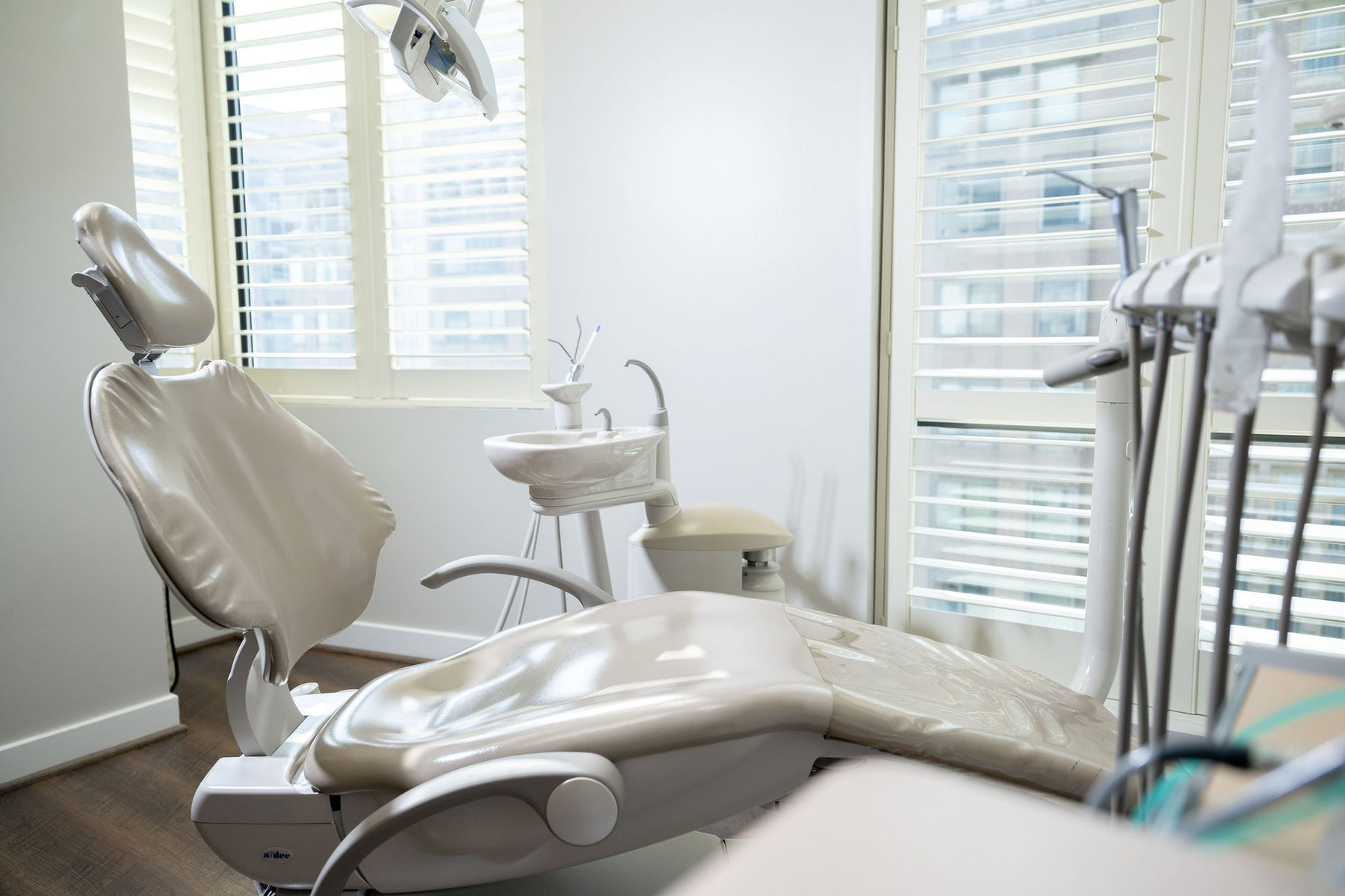
Clean operatory ready for a patient

Recovery & Aftercare

A short recovery, a long-term result.

Most patients return to normal daily routines within a few days. Your periodontist will provide personalized aftercare instructions specific to your procedure and progress.

Frequently Asked

Common questions about this treatment.

Can Teeth Fall Out After Deep Teeth Cleaning?

The short answer is no — a healthy tooth won't fall out because of a deep cleaning. What can happen is that a tooth already loosened by advanced periodontal disease may feel more mobile afterward, because the hardened tartar that was propping it in place has been removed. In severe cases, teeth that were already failing may need to be extracted regardless of the cleaning. This is exactly why ongoing periodontal maintenance matters: it treats gum disease early, before bone loss reaches the point where teeth are at risk. If you have any mobile teeth or receding gums, we'll evaluate them carefully at your appointment and walk you through the options before doing any cleaning that could reveal instability.

How Long Does Deep Teeth Cleaning Take?

Prevention and good oral hygiene are critical in avoiding serious issues such as gum disease and decay. Good oral hygiene includes twice daily brushing, daily flossing, and routine dental visits. During these visits, patients will receive an examination and professional cleaning. Regular dental visits are helpful in the early detection of issues such as gum disease which can cause serious problems. Early signs of gum disease may include bad breath, gums which bleed, and swollen gums. When gum disease remains untreated, the symptoms can progress and cause serious issues including receding gums, damage to the bones, and tooth loss in severe cases. While there is not a cure for gum disease, a deep cleaning removes plaque and tartar in order to restore the gums. Following a deep cleaning, patients are commonly placed on a regular maintenance schedule which includes deep cleanings. This aids in management of gum disease and helps prevent serious problems.

What should I know about Gums Healing After Deep Teeth Cleaning?

A deep cleaning is often the recommended treatment for patients who have been told they have gum disease. Scaling and root planing is another name used for a deep cleaning. While treatment is fairly simple, it is an effective method used to restore the gums. Most patients are not familiar with a deep cleaning or what is involved with the procedure. It is also common for patients to not know what to expect after a deep cleaning including how the gums heal. A summary of a deep cleaning and helpful information on the healing and recovery process is outlined below. Periodontal disease or gum disease is an issue which impacts nearly half of all adults. The disease is caused by an infection in the gums and can vary in its severity. Gingivitis is the first stage and most mild form of gum disease which is caused by a buildup of plaque. This can result in symptoms such as bad breath, bleeding gums, inflammation, and other problems.

Cost & Payment

Money shouldn't stand between you and the care you deserve.

The cost of periodontal maintenance will depend on a variety of factors, including your dental insurance plan, whether or not additional procedures are required, the severity of your case, and how frequently you need to schedule visits.

At Precision Periodontics and Implant Dentistry, we are committed to ensuring that money is not a deterrent to our patients receiving the optimal dental health care they deserve. For this reason, we offer a range of payment options regardless of what type of treatment you are having, which our staff will be happy to explain and assist with. Our office insurance coordinators work with other insurance companies to assist patients with their claims.

For your convenience, Precision Periodontics and Implant Dentistry accepts cash, check, debit, and credit cards (Mastercard, American Express, Visa, and Discover). Our clinic also accepts GreenSky Patient Solutions, a financing option for procedures and treatments not typically covered by insurance or when insurance does not cover the entire cost. We are happy to provide an application in our office. You can find out more information about this service at https://www.greensky.com/patient-faq/.

For your convenience, we accept:

  • Cash and check
  • Debit cards
  • Credit cards (Mastercard, American Express, Visa, Discover)
  • GreenSky Patient Solutions financing

Ask about your treatment

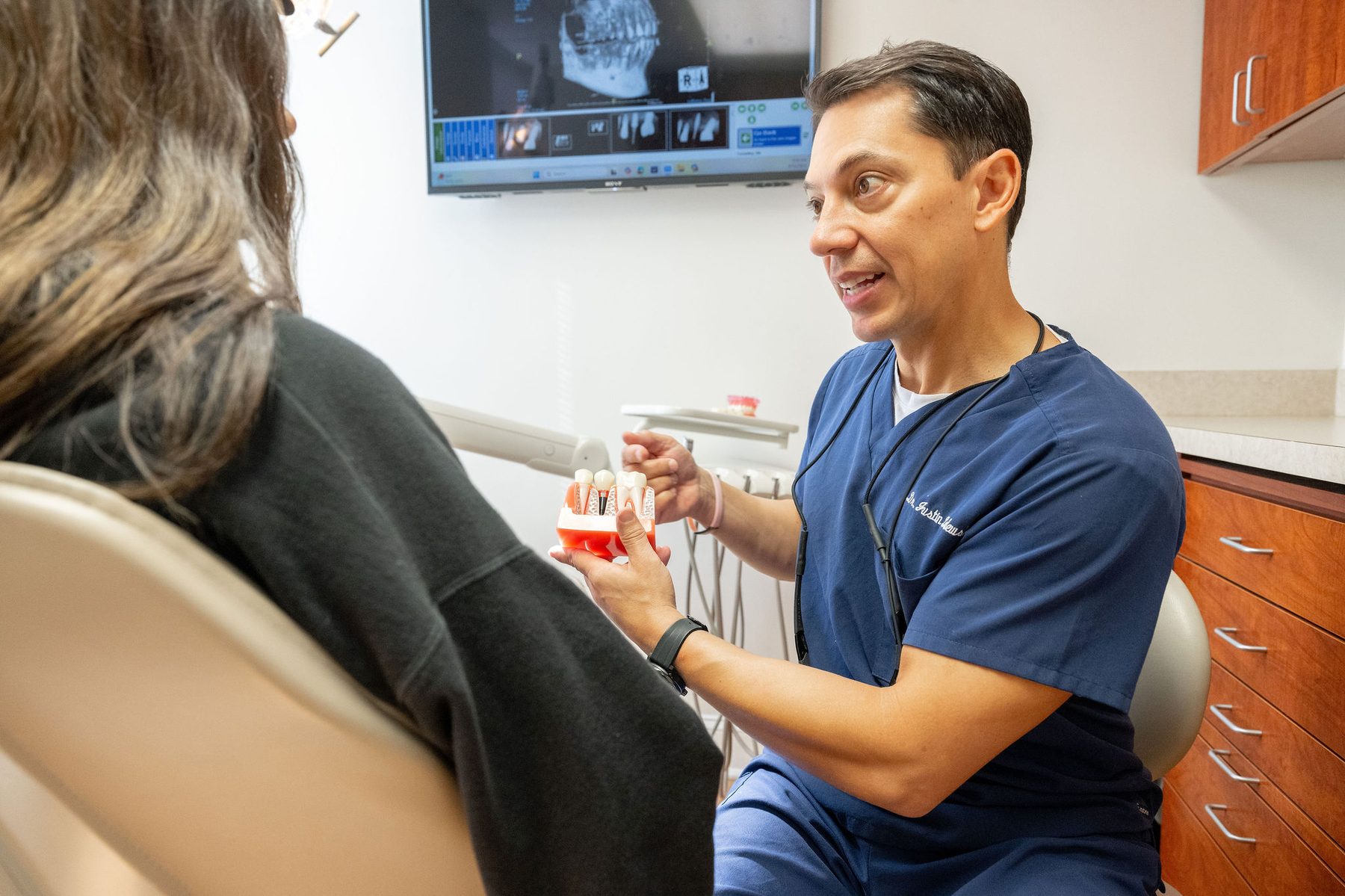
Dr. Zalewsky in patient consultation

Where We Practice

Care delivered at three Washington-area offices.

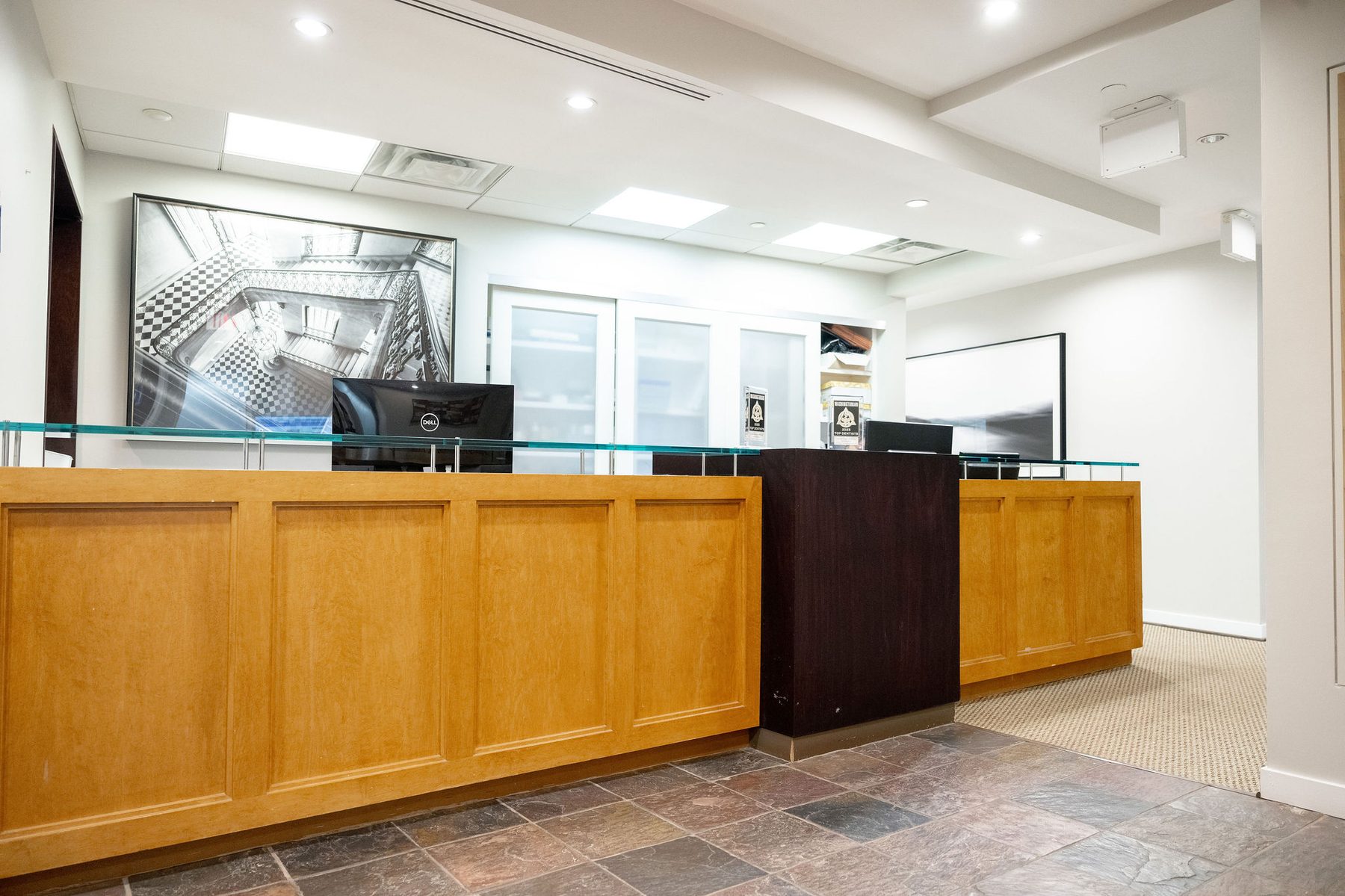
Precision Periodontics Washington DC reception

Washington, DC

2311 M Street NW, Suite 500
Washington, DC 20037

(202) 296-3360
Precision Periodontics Alexandria VA office

Alexandria, VA

4660 Kenmore Avenue, Suite 300 & 312
Alexandria, VA 22304

(703) 823-2422
Precision Periodontics Reston VA office

Reston, VA

1886 Metro Center Drive, Suite 610
Reston, VA 20190

(703) 689-4442

Request An Appointment

Let us help you achieve a healthier, more confident smile.

Contact us with any questions or to schedule a consultation at our Washington DC, Alexandria, or Reston office. We look forward to welcoming you.