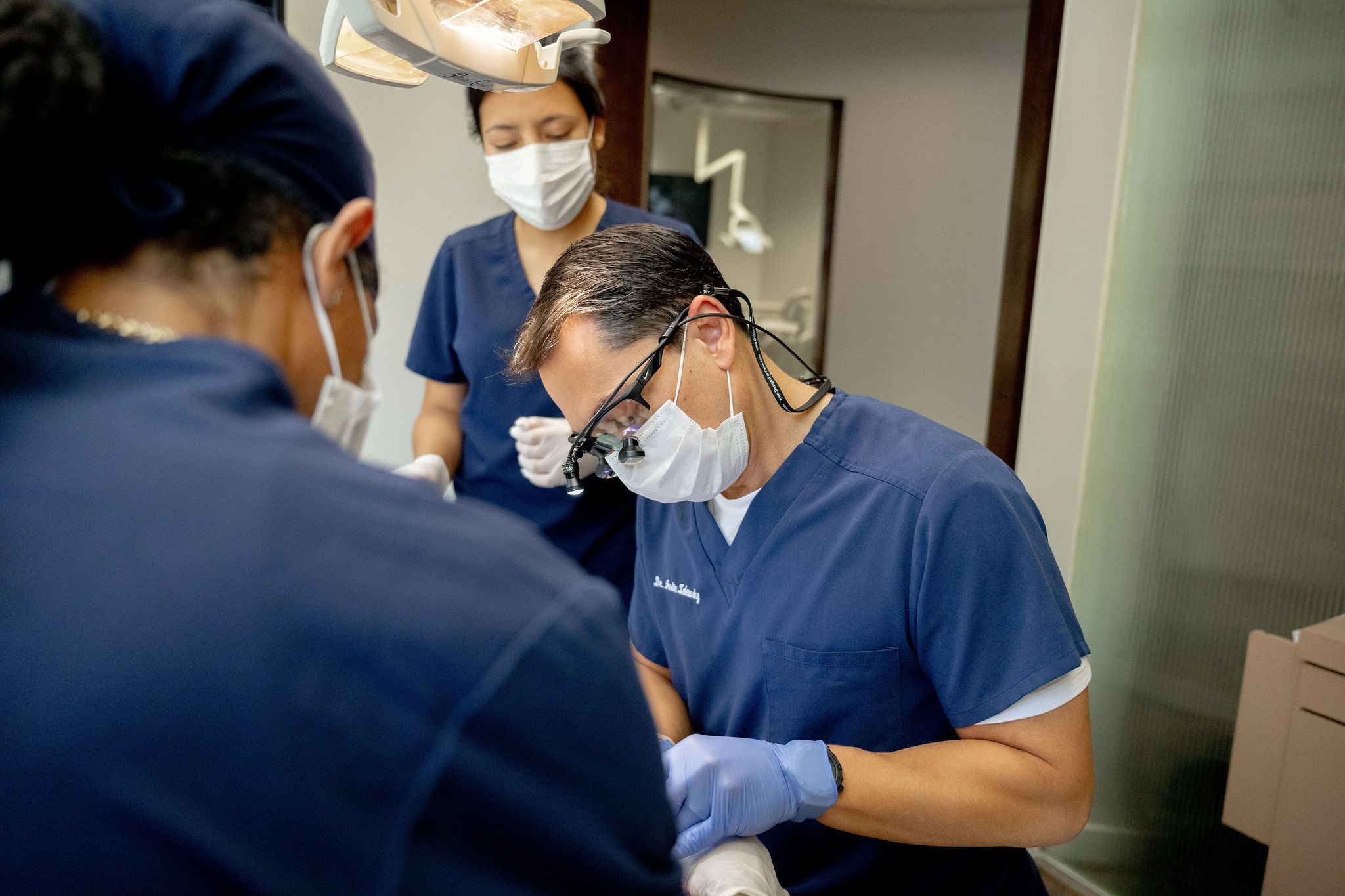
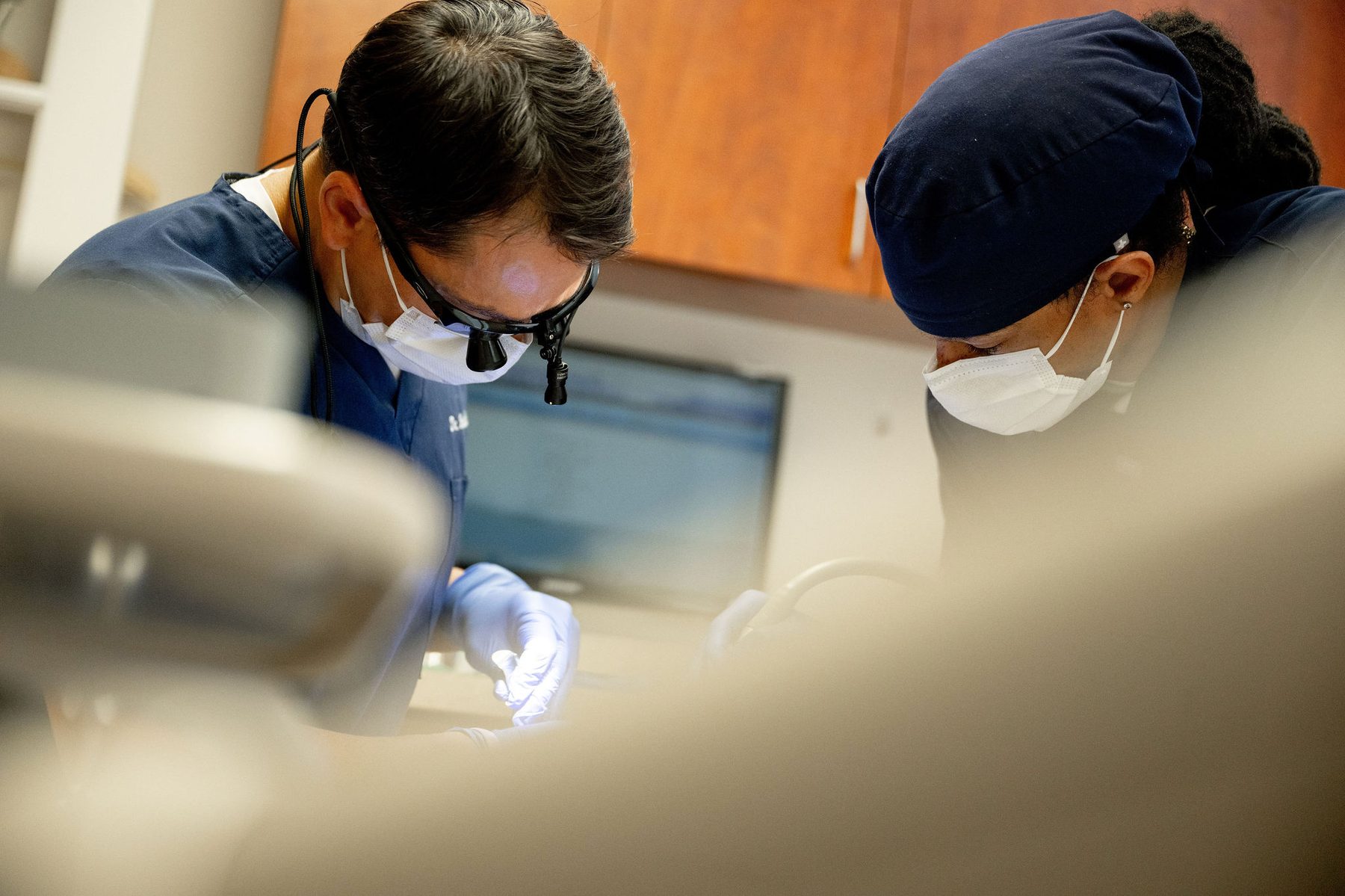
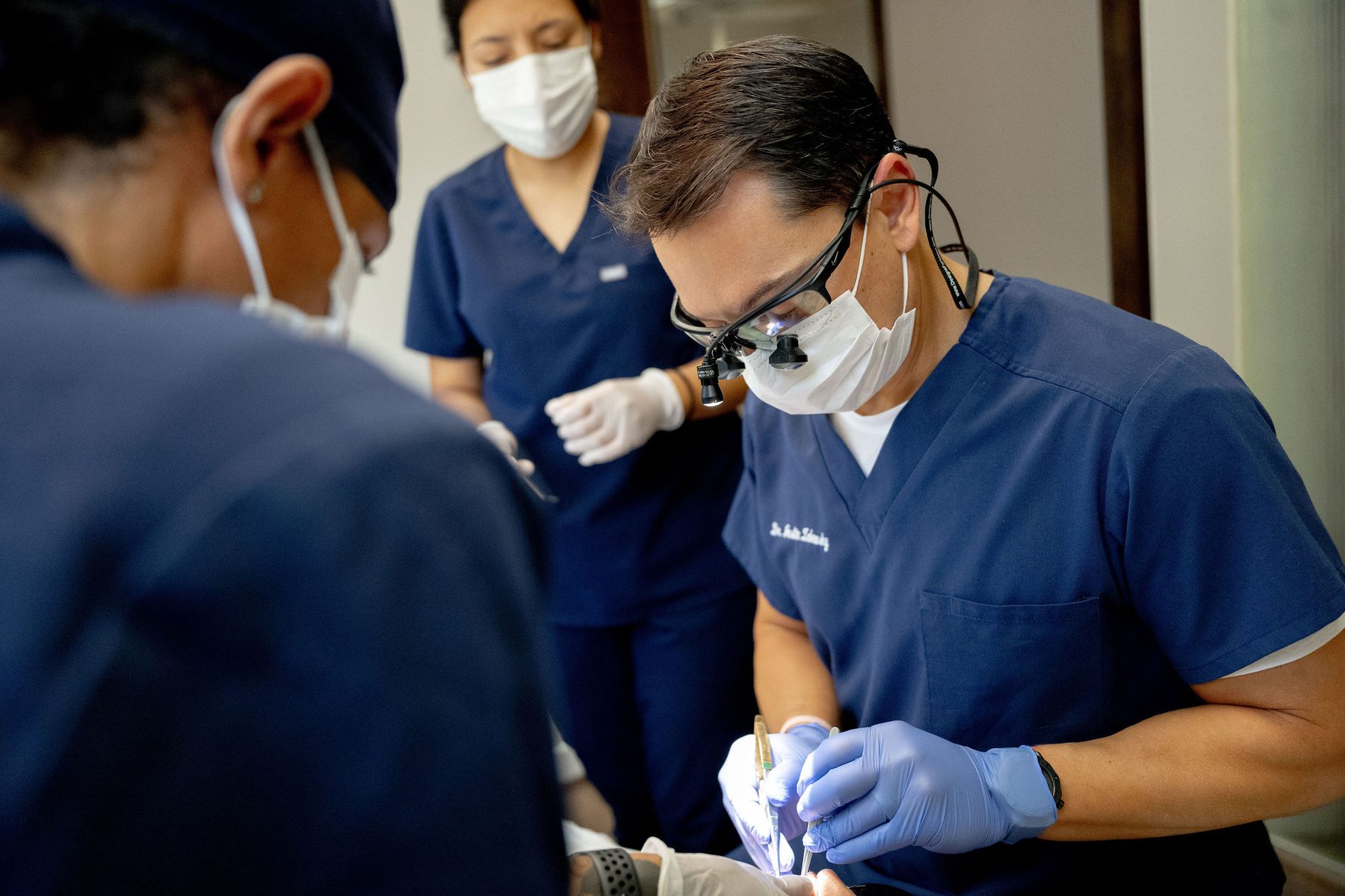
Close-up view of a periodontal procedure

Periodontics

Gum Disease Treatments

Diagnose, treat, and stop the leading cause of tooth loss.

Three clinicians during a periodontal procedure

Periodontics

Gum disease is treatable — and stopping it early makes all the difference.

If your periodontist has informed you that you have gum disease (also known as periodontal disease), it’s important to schedule treatment as soon as possible. Left untreated, gum disease can lead to a number of oral health issues that include swollen or bleeding gums, jawbone deterioration, loose teeth, and even tooth loss.

To prevent or reverse gum disease, the best thing you can do (in addition to practicing good oral hygiene habits on a daily basis) is to schedule regular periodontal maintenance. Unlike the traditional recommended dental visit every six months, patients who have developed or are more susceptible to gum disease should schedule periodontal maintenance more frequently, depending upon the severity of their case, how quickly they develop plaque, and how successful previous periodontal treatment has been.

At Precision Periodontics and Implant Dentistry, our specialty-trained periodontists our specialty-trained periodontists have years of experience treating a wide range of stages of gum disease and placing dental implants. To learn more about treatment options for gum disease, our clinic facilities, or to schedule an appointment for a procedure, contact our Alexandria, VA office at (703) 823-2422 or our Washington, D.C. office at (202) 296-3360.

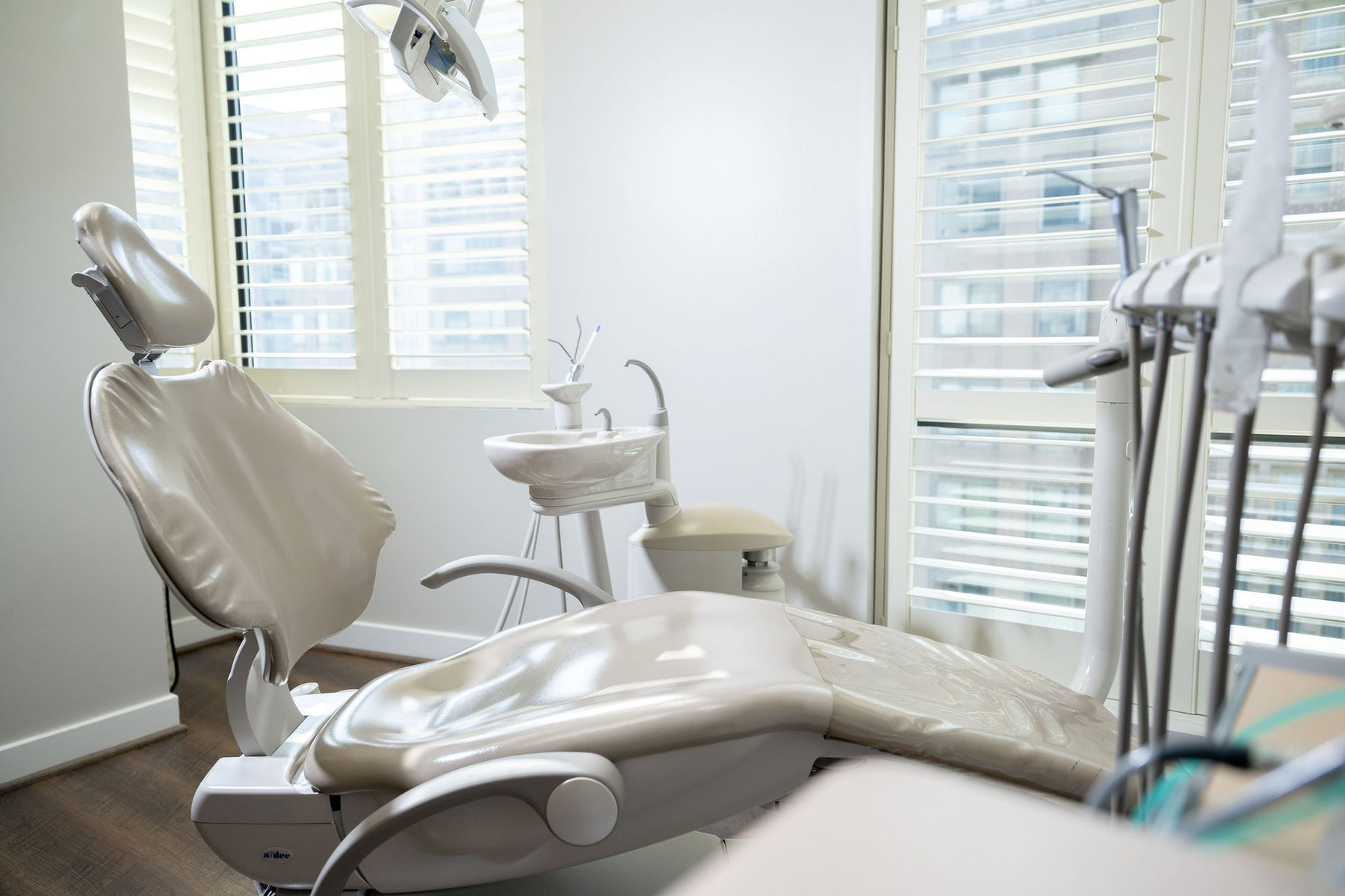
Alexandria office surgical operatory

The Procedure

What to expect from your treatment.

Here's what your gum disease treatments treatment looks like, step by step.

01

Gingivitis: the Earliest Stage of Gum Disease

Gingivitis: The earliest stage of gum disease, this stage typically presents as gums that are puffy, irritated, or swollen. If caught early enough, gingivitis can be corrected by a deep cleaning and/or alteration to your oral health care routine.

02

Early Periodontitis: the Next Stage in Gum Disease

Early Periodontitis: The next stage in gum disease, early periodontitis typically presents as gums that easily bleed, plaque buildup below your gum line, and/or mild to moderate bone loss around the teeth. Treatment options for this level of gum disease typically involve deep cleaning, laser therapy, or a combination of both.

03

Advanced Periodontitis: the Most Advanced Stage of Gum

Advanced Periodontitis: The most advanced stage of gum disease, advanced periodontitis is characterized by the previous symptoms along with the development of deep pockets between the teeth and gums, and in the most severe cases, deterioration of the jawbone and/or tooth loss. Treatment options for this level of gum disease may require a deep cleaning, laser therapy, and/or a bone graft.

04

If Your Periodontist Has Determined You Have Gum

If your periodontist has determined you have gum disease, there are several different treatment options available. Every patient will be best suited to particular treatment types depending upon their unique circumstances, but the most common treatment types include:

05

Prophylaxis: If Caught Early Enough

Prophylaxis: If caught early enough, gum disease can be reversed by a cleaning procedure performed by a dental hygienist.

06

Scaling and Root Planing: Also Known As a

Scaling and root planing: Also known as a deep cleaning, scaling and root planing removes bacteria and toxic elements that have accumulated beneath the gums and smooths the surface of the root to eliminate infection and reduce the likelihood of infection returning.

Alexandria office surgical operatory

Recovery & Aftercare

A short recovery, a long-term result.

Most patients return to normal daily routines within a few days. Your periodontist will provide personalized aftercare instructions specific to your procedure and progress.

Frequently Asked

Common questions about this treatment.

What is gingivitis?

Gingivitis is inflammation of the gums. It is usually a result of dental plaque on the surfaces of the teeth, and it is reversible and is not destructive. With treatment, which focuses primarily on effective oral hygiene, gingivitis can be reversed. Without treatment, however, gingivitis is likely to progress to periodontitis, which can lead to destruction of gum and bone tissue and possibly the loss of the teeth. Gingivitis manifests as any other inflammatory disease would, causing swelling, redness, and pain or tenderness in the gum tissue. Gingivitis may also cause the gums to bleed, especially after brushing or flossing, and it often causes bad breath. When the gums are healthy, in many people, they have a stippled appearance, resembling the texture of an orange peel. When gingivitis is present, this stippling may disappear and the appearance of the gums becomes stretched and shiny. For a plain-language overview, see what gum disease is, and gum disease symptoms lists the signs to watch for between visits.

What is a gingival pocket?

The tissue of the gums, or gingiva, surrounds the bones in the oral cavity and the teeth. When gum disease is present, it is characterized by a periodontal pocket. Sometimes, gingival pockets are present; these are not indicative of gum disease and are usually reversible by removing or addressing their cause. To understand what gingival pockets and periodontal pockets are, it’s helpful to have a basic understanding of the dynamic anatomy of the periodontium and its associated vocabulary. Two terms that explain location in the mouth are coronal and apical. Coronal refers to the direction of the crown of the tooth, and apical refers to the direction of the base of the root of the tooth. These terms are helpful when referring to teeth in either the upper or lower jaws, since “top” and “bottom” would change depending on the jaw in which the tooth is located. The crescent-shaped crevice of tissue that immediately surrounds the base of each tooth is called the gingival sulcus. The gingival sulcus contains different, and constantly changing, types of cells, food debris, chemicals, and fluid, each of which affects and is affected by the oral cavity, creating a synergistic relationship. The depth of the gingival sulcus is in a constant state of flux, affected by cycles of bacterial invasion in the oral cavity and. Bleeding is often the first thing patients notice — what causes bleeding gums explains the common causes, and what puffy gums can mean covers when swelling is worth a call.

What is a periodontal pocket?

A periodontal pocket is characterized by a probing depth of 4 mm or more. This occurs when the gingival fibers that once attached the gum tissue to the tooth have been irredeemably damaged and are destroyed. The gingival sulcus is the crescent of gum tissue that forms the gumline; between the gum tissue and the tooth, there is a small crevice that contains bacteria, debris, cells, and fluids. The depth of the gingival sulcus is measured and this probing depth is recorded during a basic periodontal exam and must be noted so that the progress of periodontal disease can be monitored. Periodontal pockets are particularly susceptible to infection, which may result in abscess, and it is also possible for the roots of the tooth to sustain damage when they are no longer protected by the sulcular epithelium. When abscess occurs, this usually requires drainage and both systemic and local antibiotic treatment. The periodontal pocket is defined as either supra bony or infra bony, depending on its location in relation to the alveolar bone. If the periodontal pocket is not treated, it can damage the soft tissues beyond the gingiva, becoming a mucogingival defect. Dental scaling and root planing, also known as a dental deep cleaning, is the preferred treatment for periodontal disease; in this treatment, a dental health professional will. Once pocketing is established, treatment is the only way to reverse it; how gum disease is treated outlines the options, and when to be concerned with bleeding gums explains when bleeding warrants prompt attention.

Cost & Payment

Money shouldn't stand between you and the care you deserve.

The cost of treating gum disease will depend on a variety of factors, including your dental insurance plan, whether or not additional procedures are required, and the severity of your case. At Precision Periodontics and Implant Dentistry, we are committed to ensuring that money is not a deterrent to our patients receiving the optimal dental health care they deserve. For this reason, we offer a range of payment options regardless of what type of treatment you are having, which our staff will be happy to explain and assist with. Dr. Zalewsky is an out-of-network provider for all insurance plans, and Dr. Hoge is a participating provider with Delta Dental Insurance. Our office insurance coordinators work with other insurance companies to assist patients with their claims.

For your convenience, Precision Periodontics and Implant Dentistry accepts cash, check, debit, and credit cards (Mastercard, American Express, Visa, and Discover). Our clinic also accepts GreenSky Patient Solutions, a financing option for procedures and treatments not typically covered by insurance or when insurance does not cover the entire cost. We are happy to provide an application in our office. You can find out more information about this service at https://www.greensky.com/patient-faq/.

For your convenience, we accept:

  • Cash and check
  • Debit cards
  • Credit cards (Mastercard, American Express, Visa, Discover)
  • GreenSky Patient Solutions financing

Ask about your treatment

Clean operatory ready for a patient

Where We Practice

Care delivered at three Washington-area offices.

Precision Periodontics Washington DC reception

Washington, DC

2311 M Street NW, Suite 500
Washington, DC 20037

(202) 296-3360
Precision Periodontics Alexandria VA office

Alexandria, VA

4660 Kenmore Avenue, Suite 300 & 312
Alexandria, VA 22304

(703) 823-2422
Precision Periodontics Reston VA office

Reston, VA

1886 Metro Center Drive, Suite 610
Reston, VA 20190

(703) 689-4442

Request An Appointment

Let us help you achieve a healthier, more confident smile.

Contact us with any questions or to schedule a consultation at our Washington DC, Alexandria, or Reston office. We look forward to welcoming you.