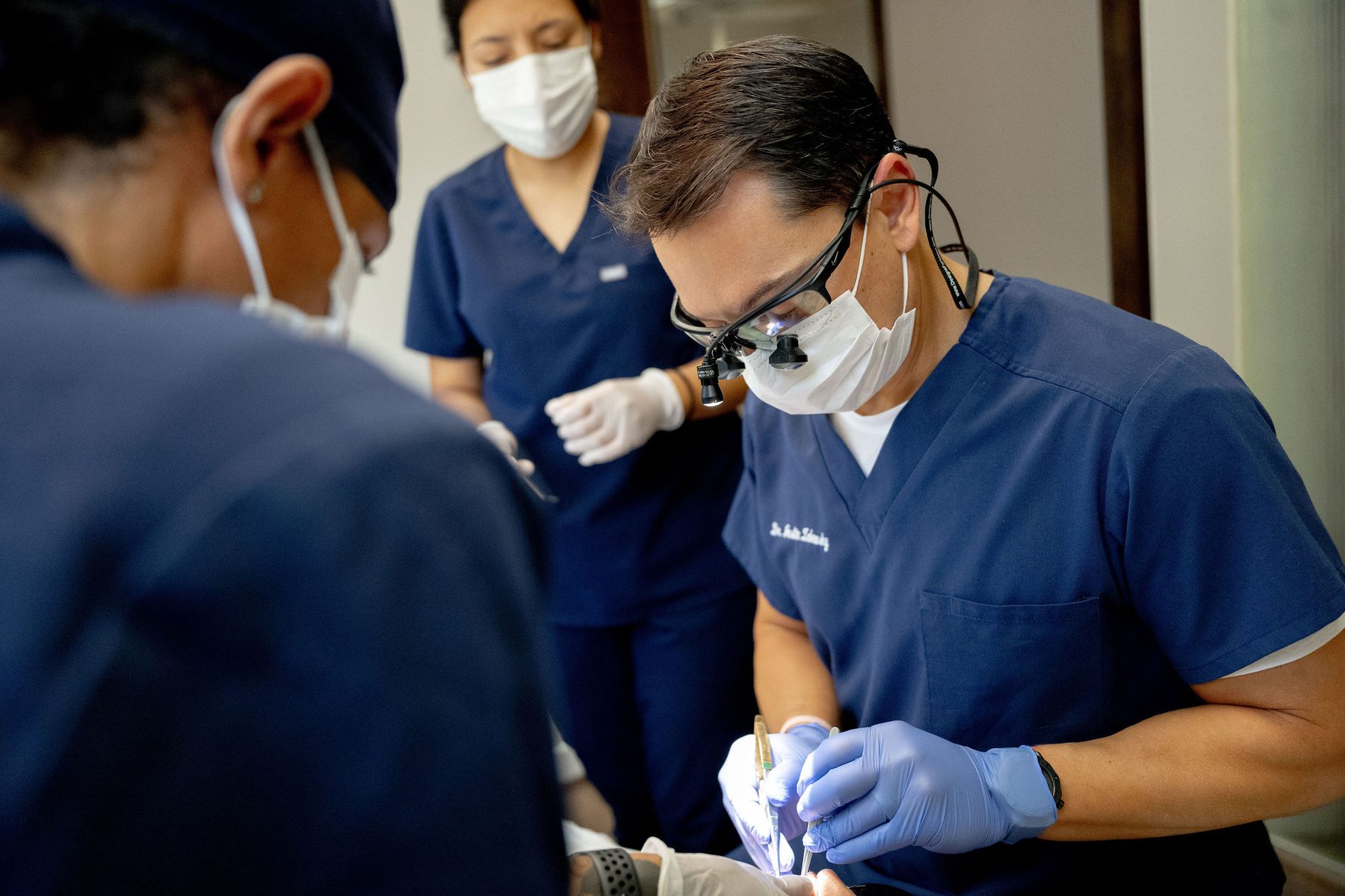
Close-up view of a periodontal procedure

Dental Implants

Tooth Extractions

Careful, atraumatic extractions that set up the healthiest possible healing.

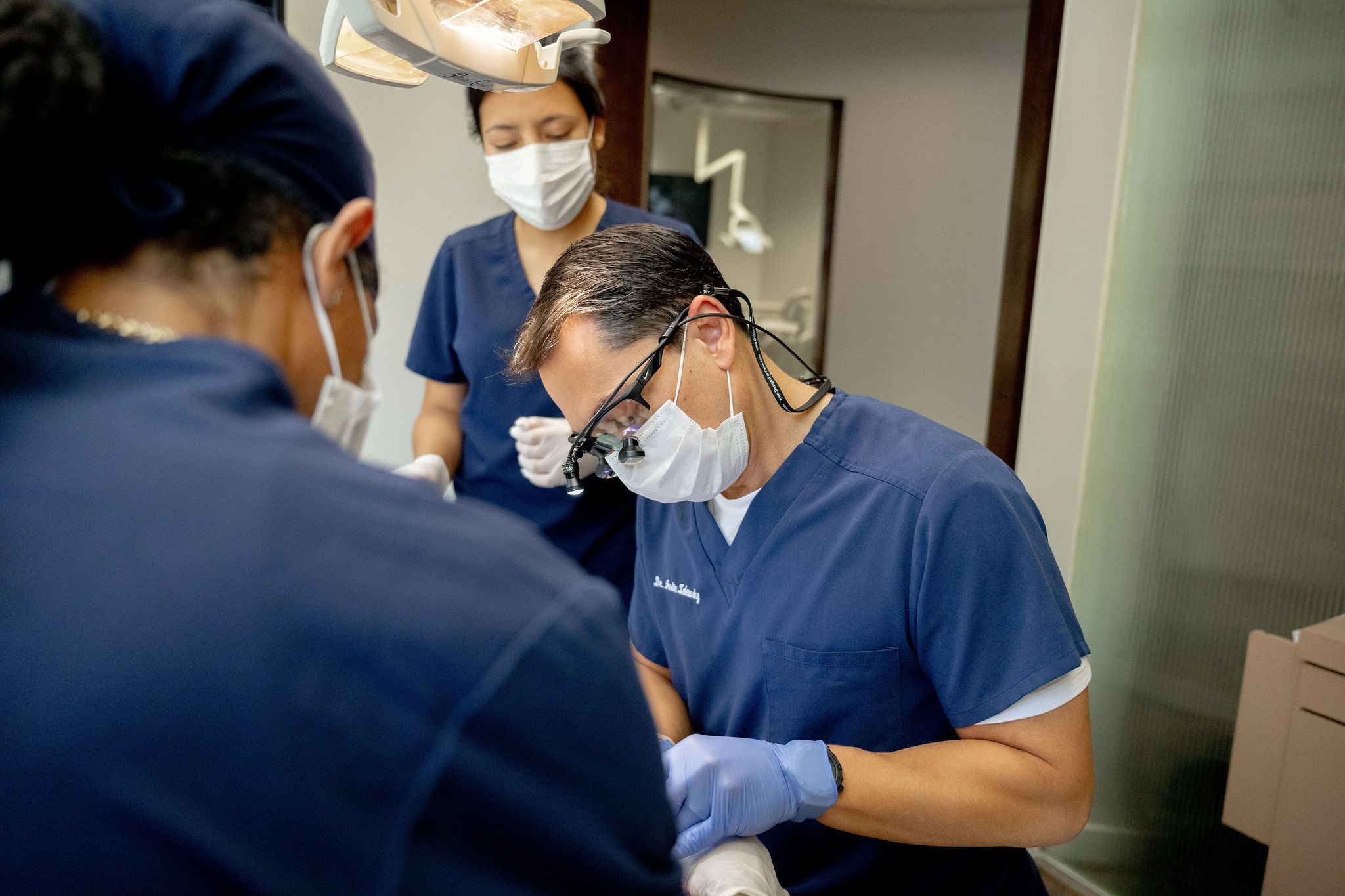
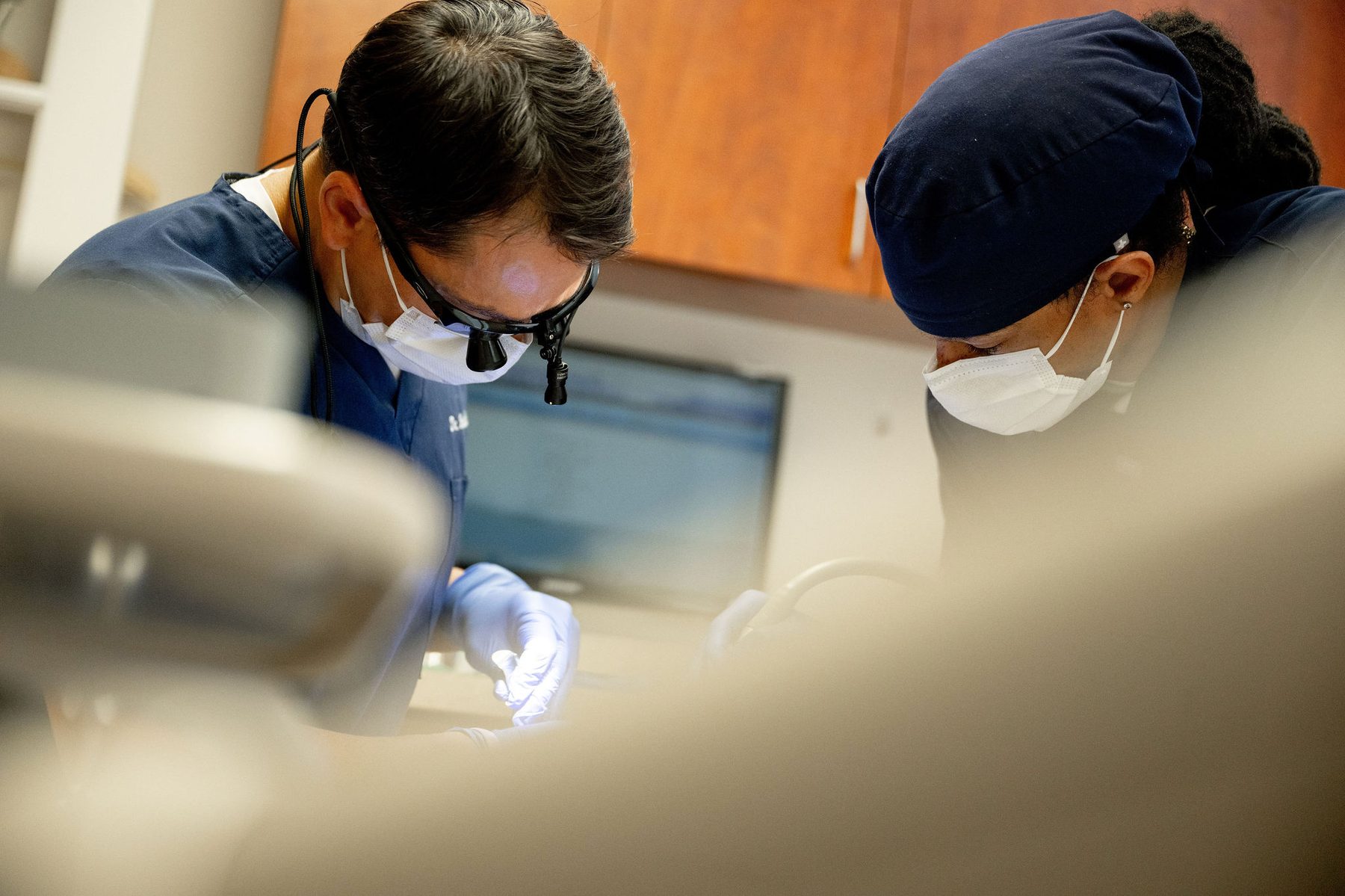
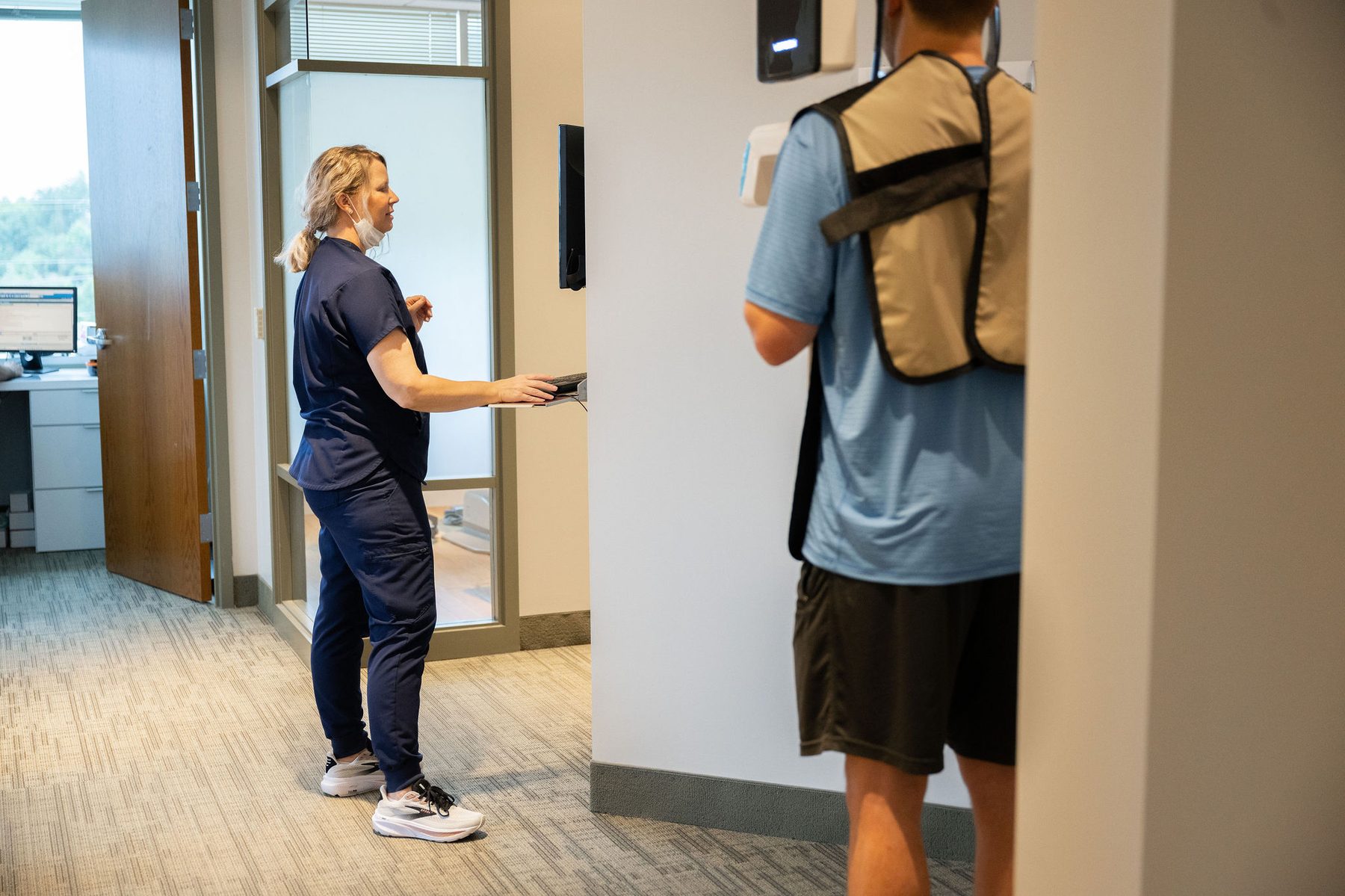
Three clinicians during a periodontal procedure

Dental Implants

Careful extractions that set up the healthiest healing.

If a tooth has suffered from severe damage or decay, the only option remaining may be tooth extraction. This procedure can help eliminate pain while also ensuring the safety of the patient. Tooth extraction is also common in the case of wisdom teeth, which may cause issues with a patient’s healthy teeth if not removed.

At Precision Periodontics and Implant Dentistry, our specialty-trained periodontists, our specialty-trained periodontists have years of experience treating a wide range of stages of gum disease and placing dental implants. To learn more about tooth extractions, our clinic facilities, or to schedule an appointment, contact our Alexandria, VA office at (703) 823-2422 or our Washington, D.C. office at (202) 296-3360.

Alexandria office surgical operatory

The Procedure

What to expect from your treatment.

Here's what your tooth extractions treatment looks like, step by step.

01

As Long As Teeth Have Erupted and Are

As long as teeth have erupted and are visible, they can typically be removed through a simple extraction technique. A simple tooth extraction procedure will typically begin with the administration of a local anesthetic, which will numb the area of the tooth being removed. Although this will lessen the amount of pain experienced, patients will still feel a sense of pressure as the tooth is removed. During this process, your periodontist will use tools to elevate the tooth from its socket, along with forceps to grasp the tooth for the removal process. Gauze will typically be used to control bleeding while this process is occurring.

02

For More Invasive Cases

For more invasive cases, it may be necessary to make surgical incisions in the gums or break the tooth into smaller pieces so it can be properly removed. Regardless of what type of procedure you have performed, once the tooth has been removed, the area of incision will be stitched shut.

Tooth Replacement Options

Depending upon the type of tooth extraction you have performed, you may or may not require dental implants following the tooth extraction procedure. There is a range of dental implants available, including single-tooth implants, temporary bridgework, fixed/removable bridges, multiple-tooth implants, and anchored (orthodontic) implants. Regardless of the implant type, if you have a tooth extracted, it is critical that you follow this procedure with a dental restoration in order to avoid health and cosmetic issues that will develop as a result of a missing tooth or teeth.

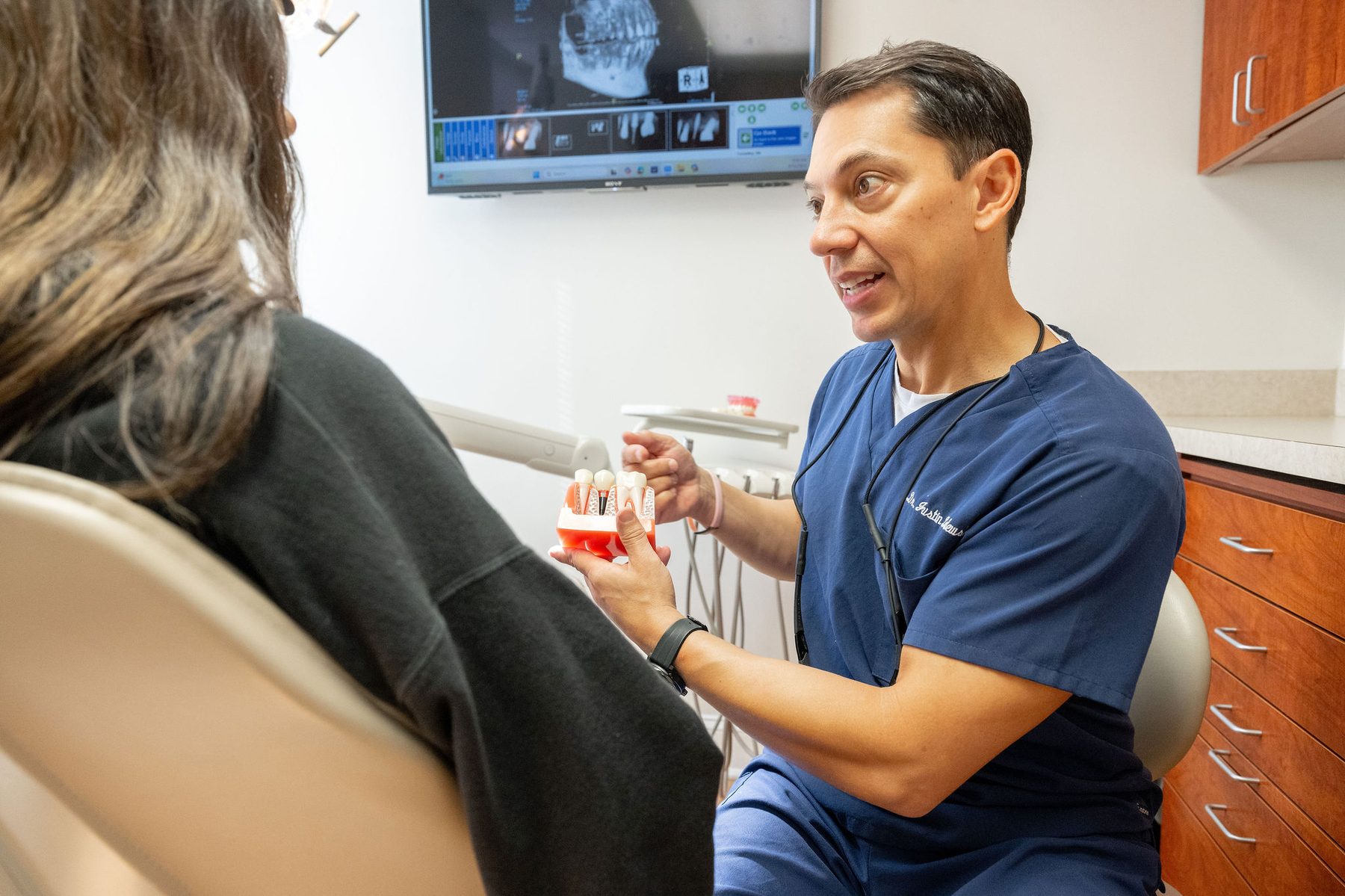
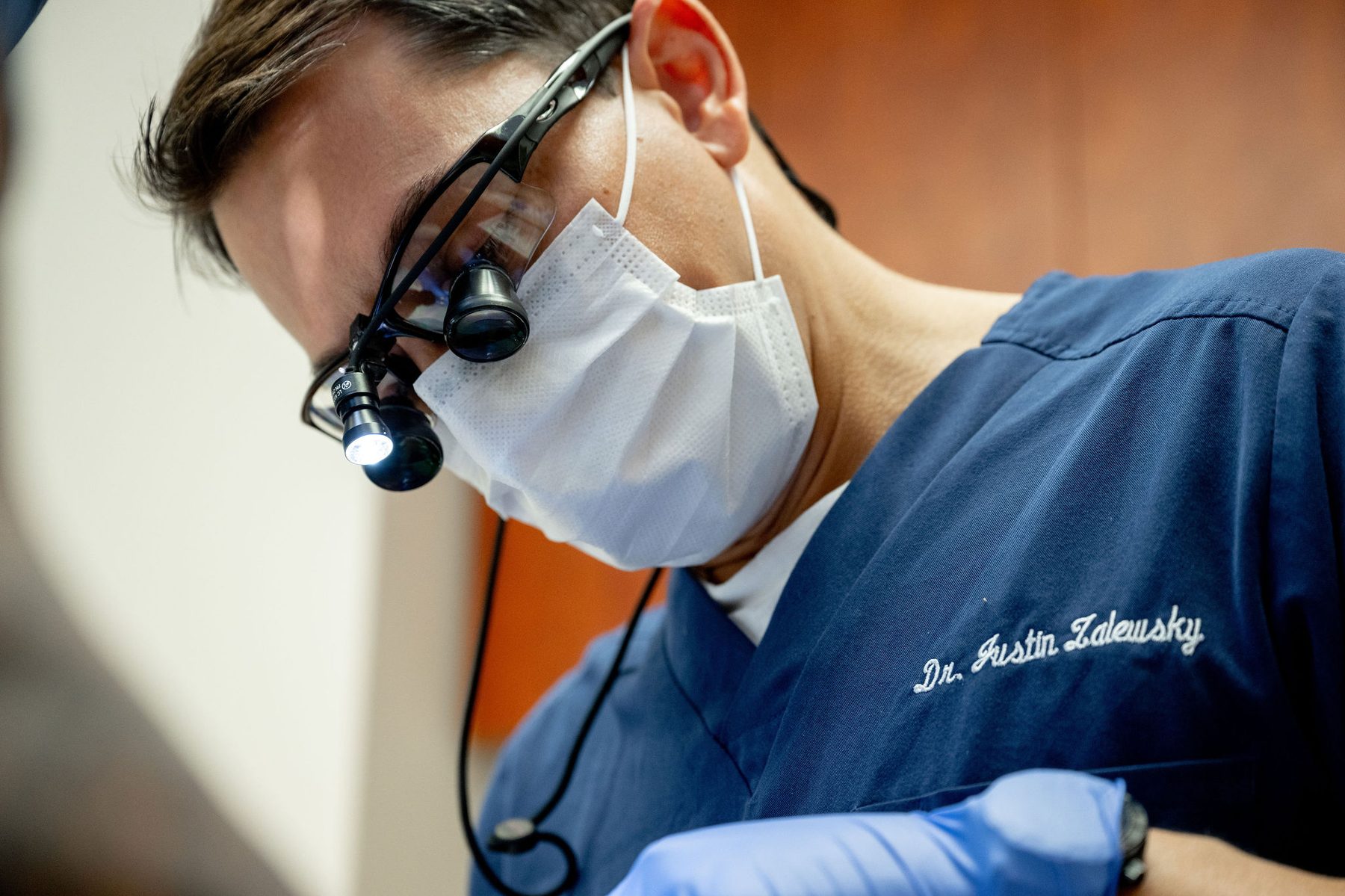
Dr. Zalewsky in patient consultation

Recovery & Aftercare

A short recovery, a long-term result.

To ensure you minimize post-procedural risks and have a smooth recovery experience, it is essential that you follow the post-procedure instructions that are provided to you following your tooth extraction procedure. Post-operative care instructions will vary from patient to patient and be informed by the type of dental extraction you have, but in general, it is important to avoid eating hard foods, refrain from smoking, and limit/avoid physical activity for at least the first two to three days (maybe longer), depending upon the severity of your case.

Patients who have a tooth extraction typically experience mild bleeding following the procedure. To help manage bleeding, place fresh gauze over the socket where the tooth was extracted, replacing the gauze every 30-45 minutes, or until the bleeding stops. Swelling following a tooth extraction procedure is also common and can generally be addressed through the use of ice packs and anti-inflammatory over-the-counter medication.

Once you have completed the healing process, it will not be necessary to follow additional aftercare instructions; however, in order to maximize the benefits of your procedure, it is imperative that you continue practicing good daily oral hygiene. Be sure to brush and floss twice daily and continue scheduling regular visits to your dentist or periodontist. These regular visits ensure that your teeth will receive regular professional cleanings and will also reduce your risk of developing underlying issues such as gingivitis or periodontitis. If you follow these best practices, you will enjoy a bright and healthy smile for many years to come!

Frequently Asked

Common questions about this treatment.

What should I know about Wisdom Tooth Extraction?

Having your wisdom teeth removed is very common. Most patients are between the ages of 17 and 25 when their wisdom teeth come in and they are told they need to be removed. Your General Dentist will evaluate your teeth as they begin to develop and if they decide that you should have them extracted, they will refer you to an Oral Surgeon or Periodontist. Most people simply do not have space in their mouths to allow for four extra molars to fully erupt without causing some major crowding elsewhere. Aside from overcrowding, other reasons you may be advised to have your wisdom teeth removed include: After you’ve had your initial consultation with your oral surgeon, you hopefully have all of your questions answered. Once it has been determined that you do need to have your wisdom teeth removed, make sure that you are able to schedule enough time off of school or work so that you can fully recover before returning to normal routines. You will also want to take into consideration the anesthesia that will be used and decide if you need someone to drive you home after surgery.

What should I know about Smoking or Vaping After a Tooth Extraction?

After a tooth extraction washington dc , it is important to let your body heal as long as possible before returning to normal routines and eating habits. If you are a healthy individual before surgery, the time it takes for you to heal to a point where you can resume normal activities may not be very long. You do need just a couple of days to rest right after surgery though resuming the food you normally eat may take a little longer. If you are a patient who smokes or uses smokeless tobacco, it is ideal to stop using tobacco products a few days before surgery and for at least 72 hours after surgery. The longer you are able to refrain from cigarettes or other tobacco products, the quicker you will heal. Healing is also affected by overall health and stress; stress and jaw pain covers a related source of jaw discomfort that patients often raise at these visits.

How Much Tooth Extraction Costs?

The general price range for the extraction of one tooth is about $500 to $1,000 though the full fee schedule will vary from office to office, and by varying difficult and or other specifics of the extraction (bone graft and membrane, etc). If you have dental insurance, it may cover some of the cost of treatment. Simple extractions are able to be performed under local anesthesia which will not be as costly as extractions that require general anesthesia. Impacted teeth will require general anesthesia and that will add a significant additional cost. Some oral surgery and periodontal offices offer in-house financing that can help ease the burden of your out-of-pocket cost. Even if they do not have in-house financing, they may use a third-party financing company which can help just as much!

Cost & Payment

Money shouldn't stand between you and the care you deserve.

The cost of a tooth extraction will depend on a variety of factors, including how many teeth need to be extracted, your dental insurance plan, whether or not additional procedures are required, and what kind of sedation (if any) is used.

At Precision Periodontics and Implant Dentistry, we are committed to ensuring that money is not a deterrent to our patients receiving the optimal dental health care they deserve. For this reason, we offer a range of payment options regardless of what type of treatment you are having, which our staff will be happy to explain and assist with. Our office insurance coordinators work with other insurance companies to assist patients with their claims.

For your convenience, Precision Periodontics and Implant Dentistry accepts cash, check, debit, and credit cards (Mastercard, American Express, Visa, and Discover). Our clinic also accepts GreenSky Patient Solutions, a financing option for procedures and treatments not typically covered by insurance or when insurance does not cover the entire cost. We are happy to provide an application in our office. You can find out more information about this service at https://www.greensky.com/patient-faq/.

For your convenience, we accept:

  • Cash and check
  • Debit cards
  • Credit cards (Mastercard, American Express, Visa, Discover)
  • GreenSky Patient Solutions financing

Ask about your treatment

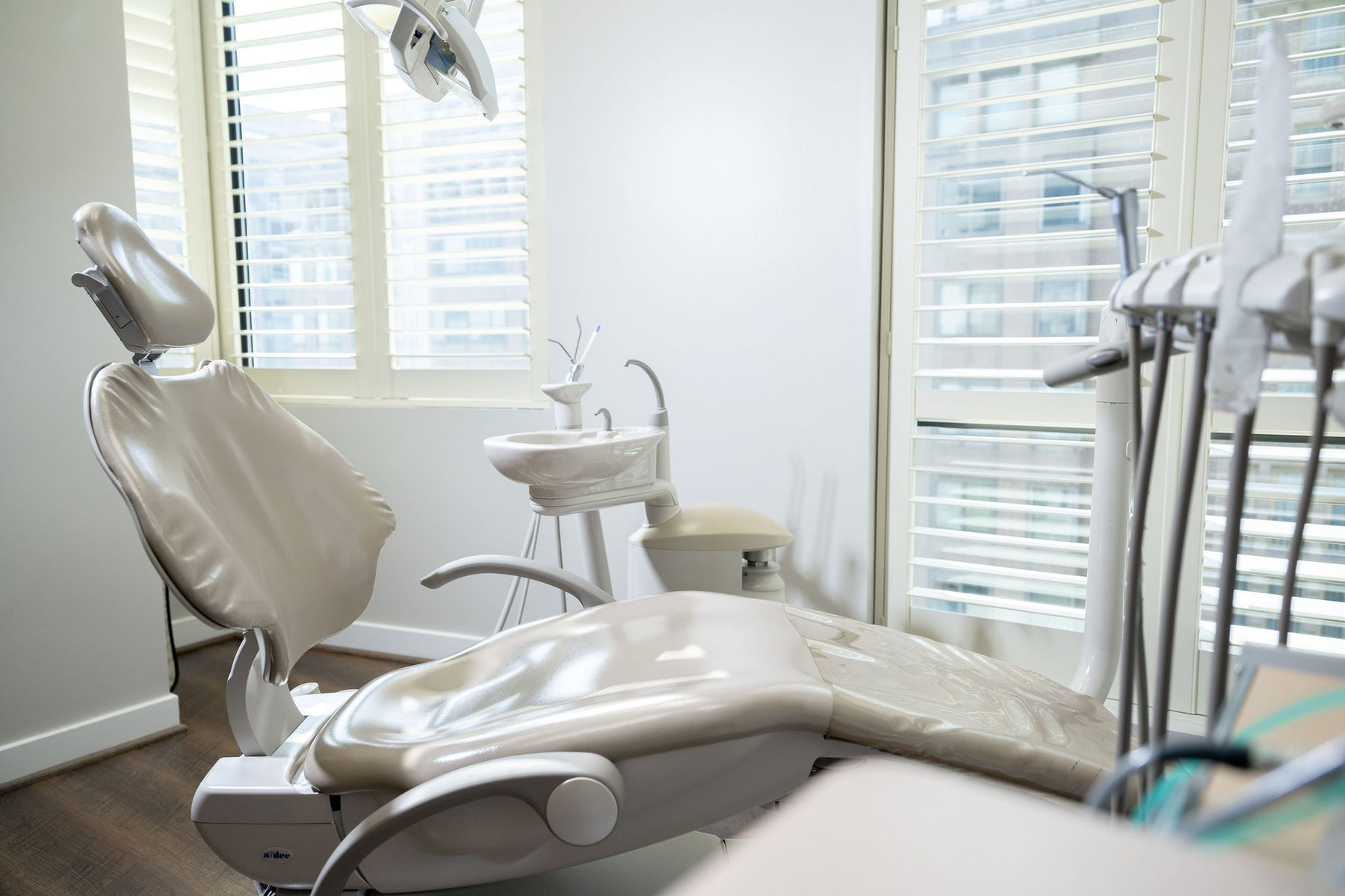
Clean operatory ready for a patient

Where We Practice

Care delivered at three Washington-area offices.

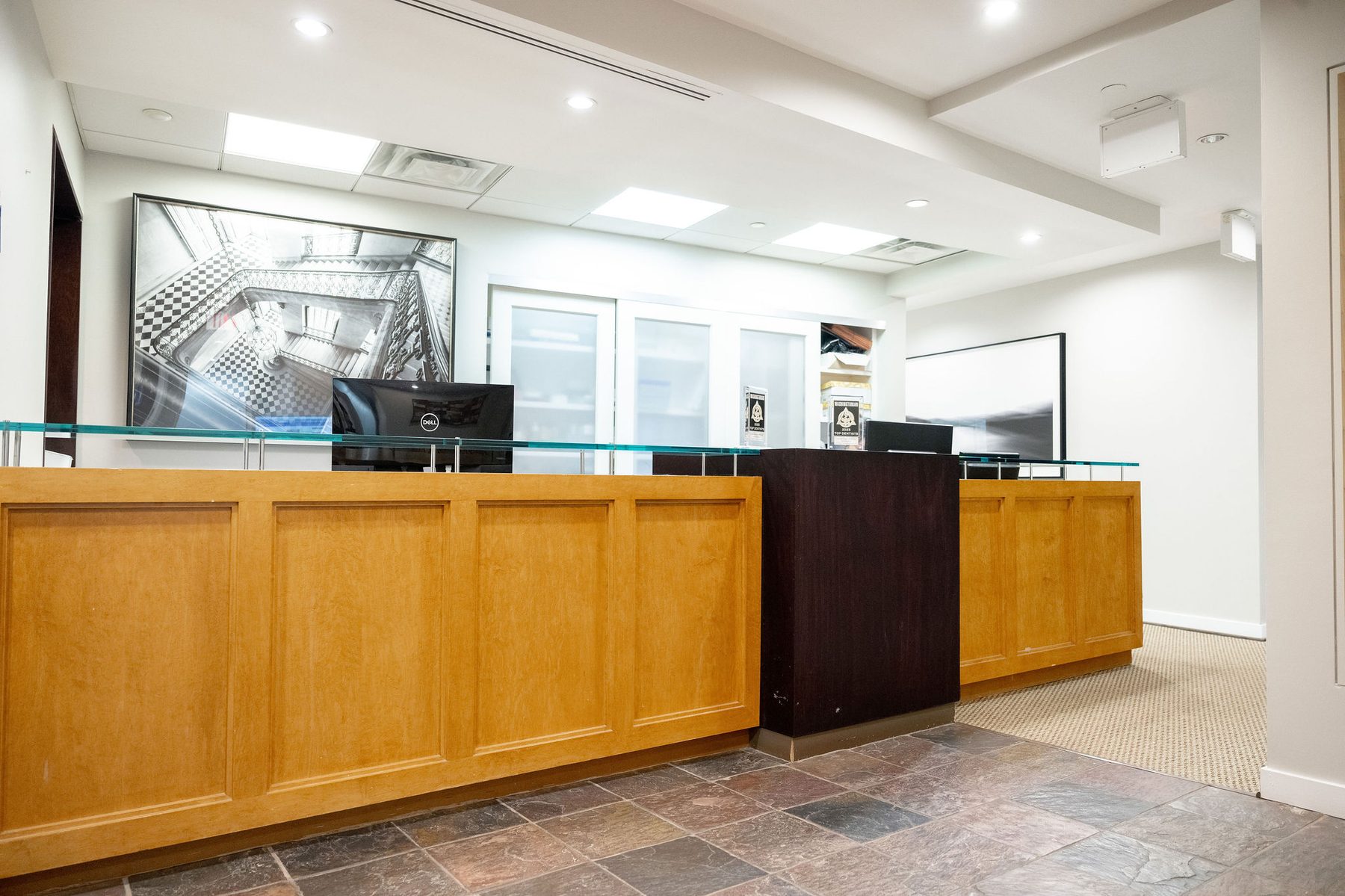
Precision Periodontics Washington DC reception

Washington, DC

2311 M Street NW, Suite 500
Washington, DC 20037

(202) 296-3360
Precision Periodontics Alexandria VA office

Alexandria, VA

4660 Kenmore Avenue, Suite 300 & 312
Alexandria, VA 22304

(703) 823-2422
Precision Periodontics Reston VA office

Reston, VA

1886 Metro Center Drive, Suite 610
Reston, VA 20190

(703) 689-4442

Request An Appointment

Let us help you achieve a healthier, more confident smile.

Contact us with any questions or to schedule a consultation at our Washington DC, Alexandria, or Reston office. We look forward to welcoming you.