Gum Regeneration Washington DC & Alexandria VA
Periodontal disease is an inflammatory oral health condition that affects the gums and supporting bone around the teeth. If left untreated, it can lead to symptoms such as swollen or bleeding gums and may contribute to gum recession.
Gum recession occurs when the gum tissue surrounding the teeth begins to pull back or wear away, exposing more of the tooth or tooth root. In addition to affecting the appearance of your smile, receding gums can increase the risk of further periodontal problems. Common signs of gum recession include longer-looking teeth, visible tooth roots, increased tooth sensitivity, bleeding, inflammation, and bad breath.
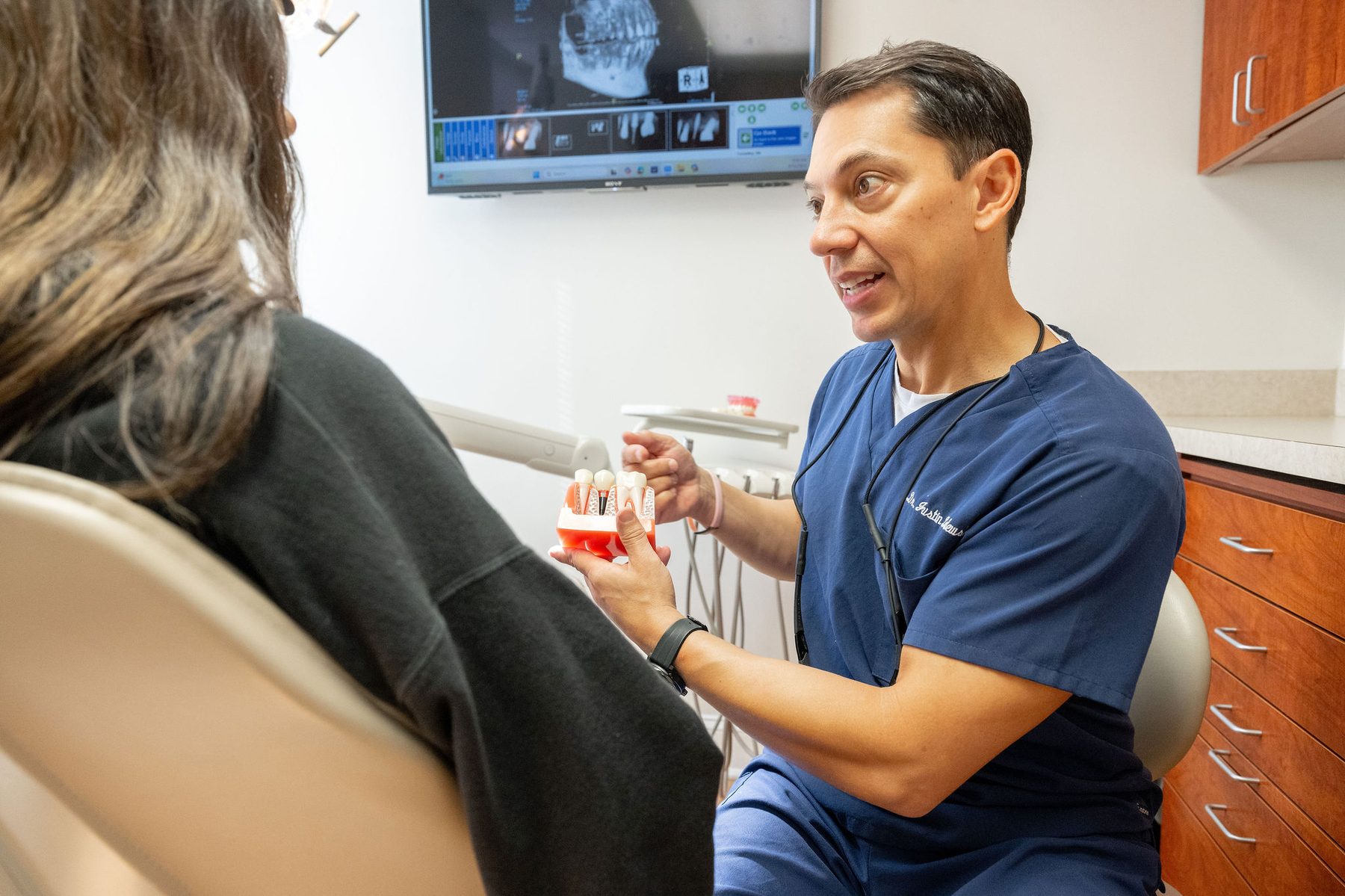
One method of addressing periodontal disease and facilitating gum regeneration is Guided Tissue Regeneration (GTR). Guided tissue regeneration is a technique that helps correct periodontal disease by directing the growth of new bone and gingival tissue around a patient’s teeth using barrier membranes, which prohibit cells from penetrating their structure. Guided tissue regeneration is commonly used to facilitate the growth of new jawbone tissue in preparation for a dental implant, but can also be used to replenish bone loss following the removal of impacted teeth or cysts and facilitate gum regeneration.
At Precision Periodontics and Implant Dentistry, our specialty-trained periodontists Drs. Zalewsky, Daru, Gupta, and Lakkis have years of experience treating a wide range of stages of gum disease and placing dental implants. To learn more about gum regeneration treatment options, our clinic facilities, or to schedule an appointment, contact our Alexandria, VA office at (571) 568-8209 or our Washington, D.C. office at (202) 318-9842.

Contact Precision Today
Causes of Gum Recession
In order to treat gum recession and facilitate the gum regeneration process, it will be necessary to first diagnose what is causing your gums to recede. The following are the most common causes of gum recession:
- Aggressive brushing: As important as it is to brush twice daily, it is equally important that you follow appropriate brushing techniques. Brushing with a hard-bristled toothbrush or brushing too aggressively can cause not only the erosion of tooth enamel but also gum recession.
- Poor oral hygiene: If you do not practice consistent and proper oral home care, plaque can begin to develop around the gum line, which can lead to gum recession.
- Periodontal disease: When gum pockets become deepened due to poor oral hygiene or other factors, periodontal disease can develop. This can cause continued gum recession. If left untreated, this can eventually result in tooth loss and/or deterioration of the jawbone.
- Chewing tobacco: All forms of tobacco can have a detrimental effect on your oral and overall health. However, chewing tobacco is the most likely form of tobacco that will irritate the lining of your mouth and cause gum recession.
- Malocclusion: Patients who have an incorrect bite caused by uneven teeth alignment, excessive strain, tearing, and wear will be placed on their gums and teeth. Gum recession will begin to occur if this condition is left untreated for long enough.
- Genetic Predisposition: Some patients are genetically predisposed to developing gum disease (and as a result, gum recession). If you have a greater susceptibility to gum recession, the best thing you can do is schedule frequent periodontal maintenance to address and correct issues before they develop into something worse.
Gum Regeneration Procedure Expectations
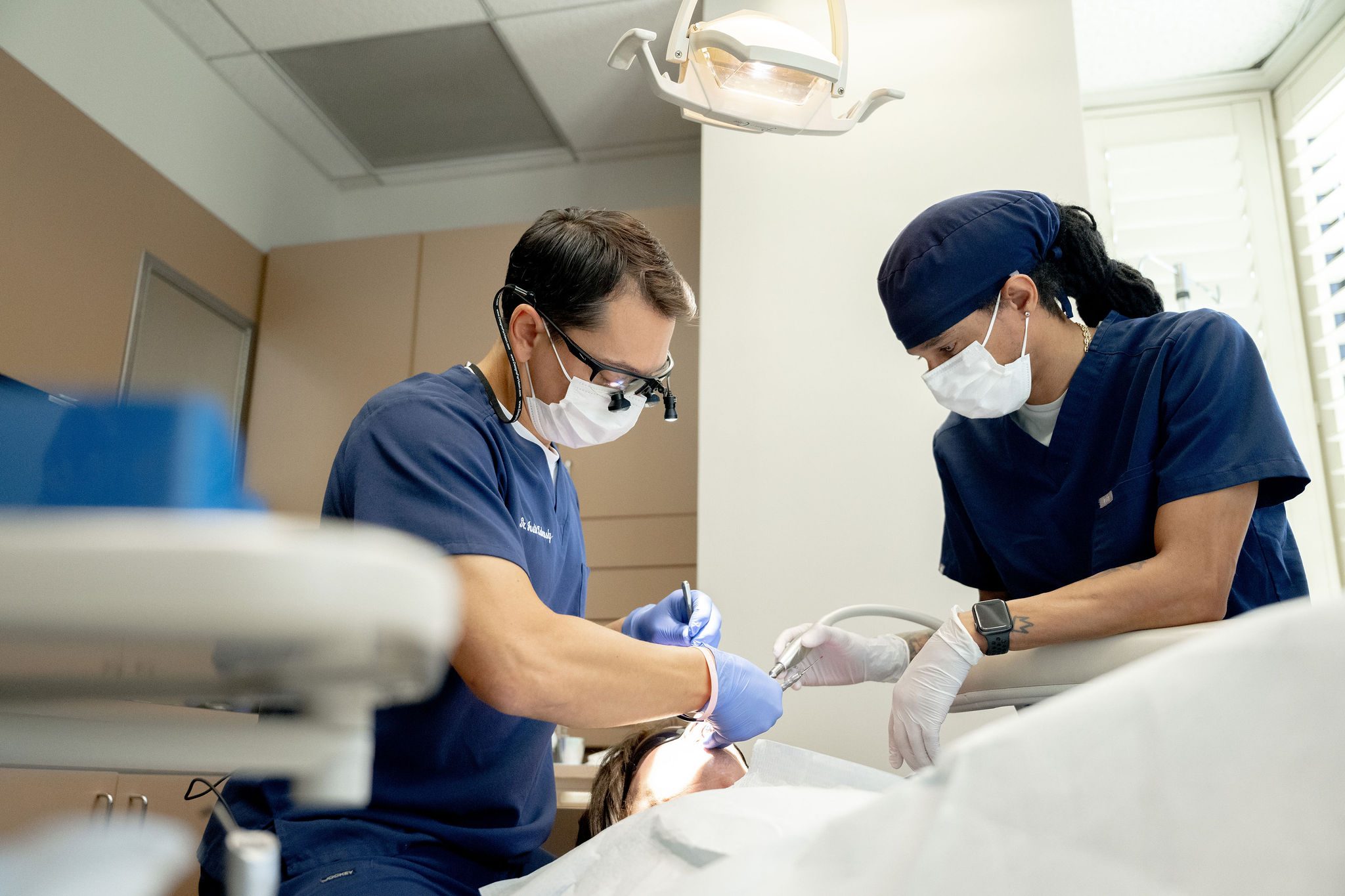
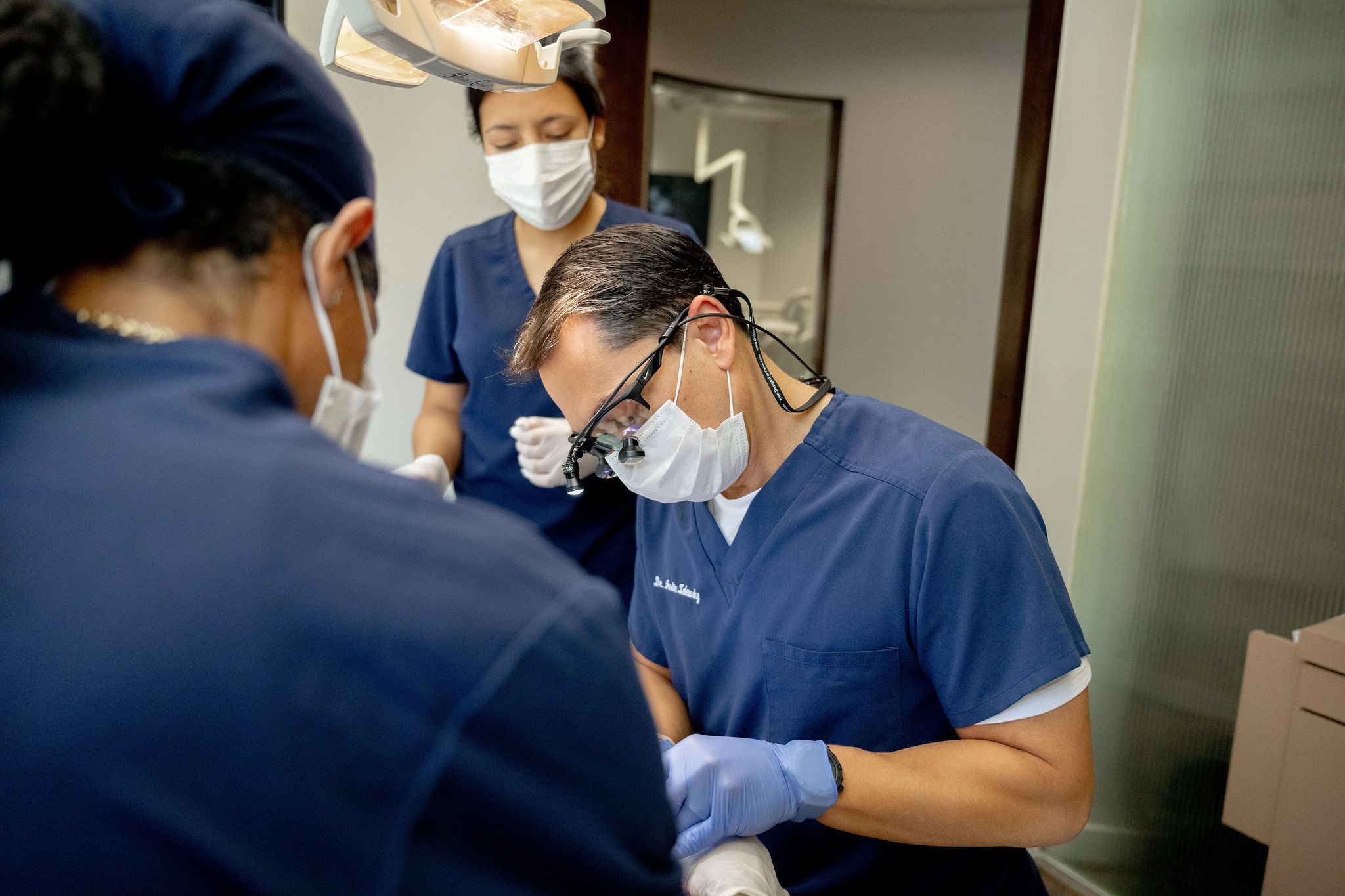
Prior to beginning the gum regeneration process, your periodontist will administer a local anesthetic to ensure any potential pain is eliminated. Once you are properly numbed, the infected gum pockets will be cleaned, and membranes will be inserted between the pockets and the soft tissue in the bone. Once the membrane is properly positioned, the area will be stitched shut, and the gum regeneration and healing process can begin.
Gum Regeneration Treatment Aftercare
Following gum regeneration treatment, good home care is vital to the success of your treatment. Regular visits with your periodontist will ensure that your teeth and gums receive the attention they need and prevent recurrence or future breakdown.
If gum recession is occurring because of aggressive brushing techniques, your periodontist may suggest using a softer toothbrush and/or instruct you in softer brushing techniques. If gum recession is the result of improper oral hygiene, it may be recommended that you have a deep cleaning performed and schedule periodontal maintenance on a more frequent basis. If the cause of gum recession is severe calculus, it may be necessary to have a scaling and root planing procedure, gum graft, or pinhole surgical technique, and/or gum regeneration to restore the cosmetic appearance of your gum line and prevent additional issues from developing in the future.