
Oral Surgery
Tooth Exposure
in Fort Hunt
Tooth Exposure for Fort Hunt residents at Precision Periodontics & Implant Dentistry
Oral Surgery
Tooth Exposure in Fort Hunt
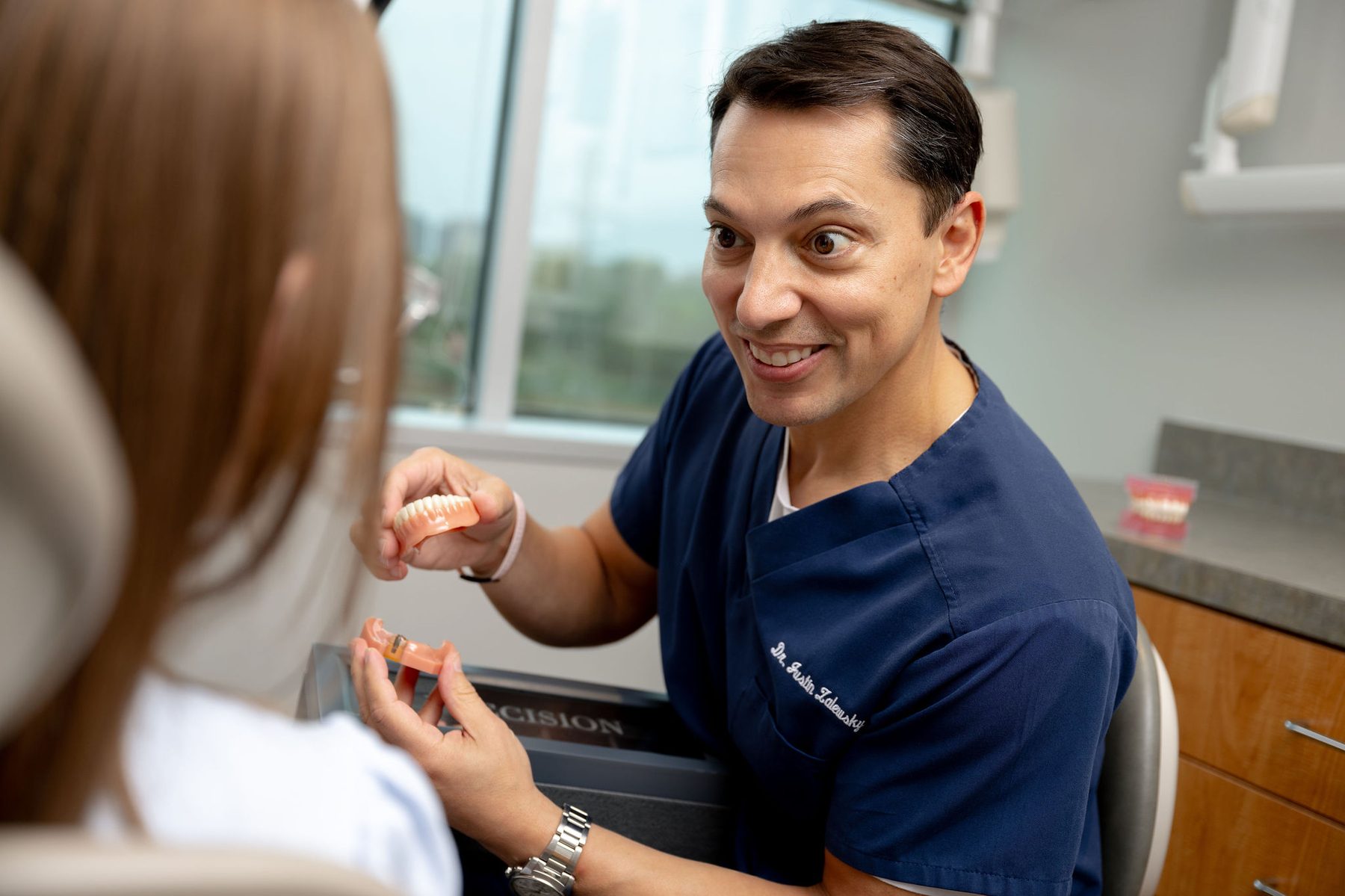
Residents of Fort Hunt, a sought-after residential enclave along the Potomac in Fairfax County known for its excellent public schools, now have convenient access to expert tooth exposure care at Precision Periodontics & Implant Dentistry in nearby Alexandria. Tooth exposure is a minor surgical procedure to uncover an impacted or unerupted tooth — most commonly a canine — and attach an orthodontic bracket so the tooth can be guided into its proper position.
We welcome patients from Fort Hunt and surrounding areas to our Alexandria office, conveniently located about 10 minutes away. Impacted canines and other teeth that fail to erupt on their own need to be surgically exposed so orthodontic treatment can bring them into alignment, preserving the natural tooth rather than extracting it.
Why Precision Periodontics
Board-certified periodontists serving Fort Hunt.
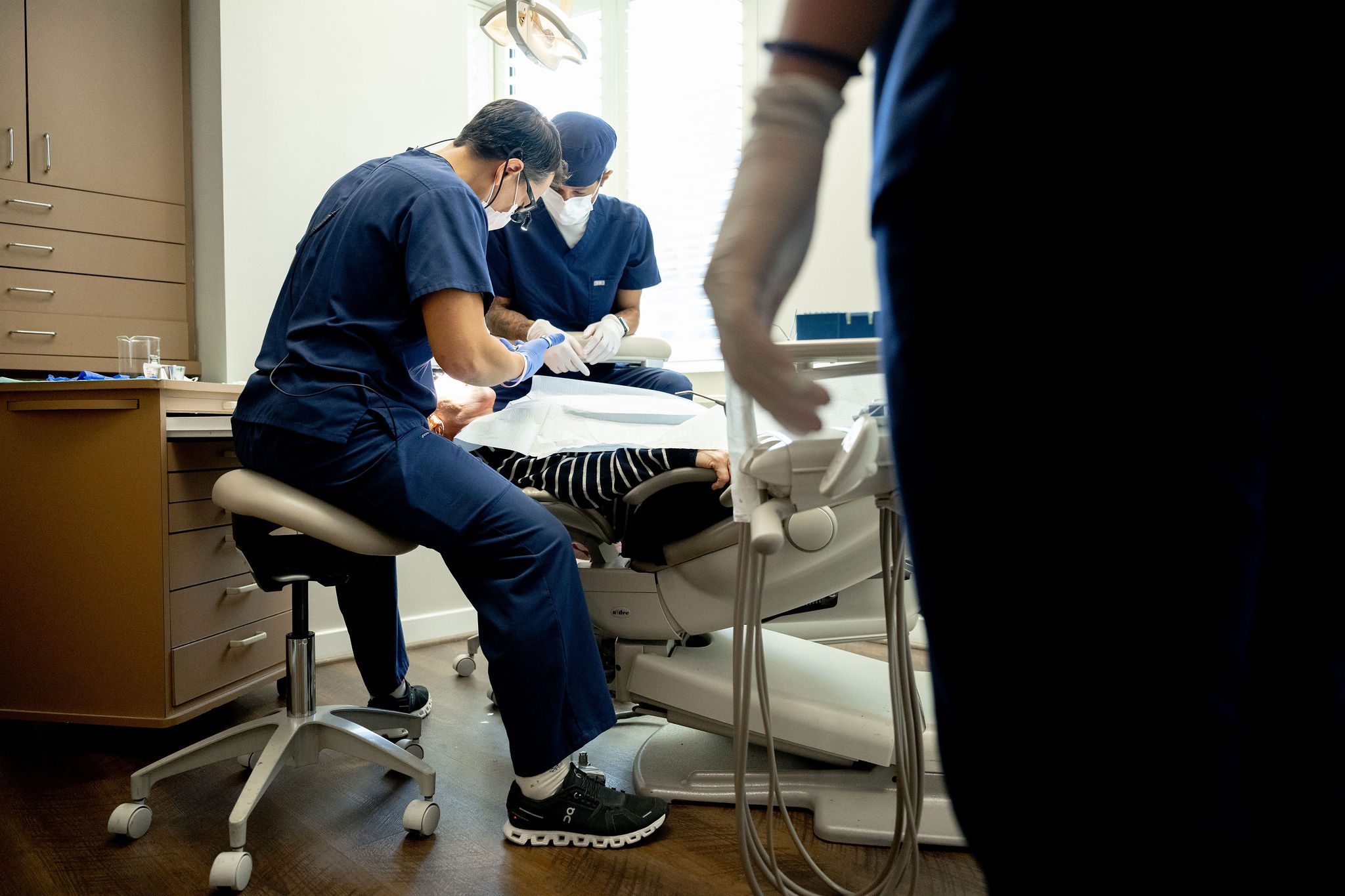
What sets Precision Periodontics apart for Fort Hunt residents is our team of six board-certified periodontists, each bringing unique expertise and a shared commitment to clinical excellence. Our periodontists make a small incision in the gum tissue to expose the crown of the impacted tooth, then bond an orthodontic bracket and chain to it. The orthodontist then gradually guides the tooth into its correct position in the arch.
Your journey to improved periodontal health starts with a single call. Fort Hunt residents can reach our Alexandria office at (703) 823-2422 or request a consultation online. Our 10-minute proximity from Fort Hunt makes expert tooth exposure care genuinely accessible.
Frequently Asked Questions
Tooth Exposure FAQ for Fort Hunt Patients
What is tooth exposure surgery?
Tooth exposure is a minor surgical procedure to uncover an impacted or unerupted tooth — most commonly an upper canine — that is trapped beneath the gum tissue or bone. The periodontist creates an opening in the tissue, bonds an orthodontic bracket with a small gold chain to the tooth, and the orthodontist then gradually guides the tooth into its proper position.
Why are upper canines the most commonly impacted teeth after wisdom teeth?
Upper canines have the longest and most complex eruption path of any tooth, traveling from near the eye socket down to the dental arch. They are the last of the front teeth to erupt (around age 11-13), so they are more likely to be blocked by crowding, supernumerary teeth, or abnormal positioning of the developing tooth bud.
How long does it take for an exposed tooth to move into position?
Once exposed and bonded, the orthodontist applies gentle force via the chain and braces. The tooth typically takes 6 to 18 months to move into its final position, depending on how far it needs to travel and the patient's age. Younger patients generally experience faster tooth movement.
What is the alternative if an impacted canine cannot be saved?
If the impacted tooth is severely malpositioned, ankylosed (fused to bone), or its root is resorbing, extraction may be recommended. The space can then be closed orthodontically or restored with a dental implant once growth is complete. Early detection through X-rays by age 7 to 10 gives the best chance of successful exposure.

Getting Here
Directions from Fort Hunt to Our Alexandria, VA Office
Our Alexandria, VA office is approximately 12 minutes from Fort Hunt, near landmarks such as Fort Hunt Park, George Washington's Mount Vernon, and Potomac River waterfront.
Driving Directions: Head north on Fort Hunt Road toward Route 1 (Richmond Highway). Continue north into Alexandria, then turn west onto Kenmore Avenue. Our Alexandria office is at 4660 Kenmore Avenue, Suite 300.
Alexandria, VA: 4660 Kenmore Avenue, Suite 300 & 312, Alexandria, VA 22304
Request An Appointment
Let us help you achieve a healthier, more confident smile.
Contact us with any questions or to schedule a tooth exposure consultation at our Alexandria office. We look forward to welcoming you.