
Other Treatments
Bruxism Treatment
in Foggy Bottom
Bruxism Treatment for Foggy Bottom residents at Precision Periodontics & Implant Dentistry
Other Treatments
Bruxism Treatment in Foggy Bottom
Foggy Bottom is a central DC neighborhood home to George Washington University, the Kennedy Center, and the State Department, and when it comes to bruxism treatment, the community trusts the team of periodontists at Precision Periodontics & Implant Dentistry in Washington DC. Bruxism treatment addresses chronic teeth grinding and clenching that can damage teeth, strain the jaw muscles, and accelerate periodontal breakdown of the supporting bone and tissue.
Located just 5 minutes from Foggy Bottom, our Washington DC practice makes it convenient to access specialist-level bruxism treatment care close to home. Untreated bruxism can cause tooth fractures, severe wear, TMJ dysfunction, headaches, and can accelerate bone loss in patients with periodontal disease. Treatment protects both teeth and their supporting structures.
Why Precision Periodontics
Board-certified periodontists serving Foggy Bottom.
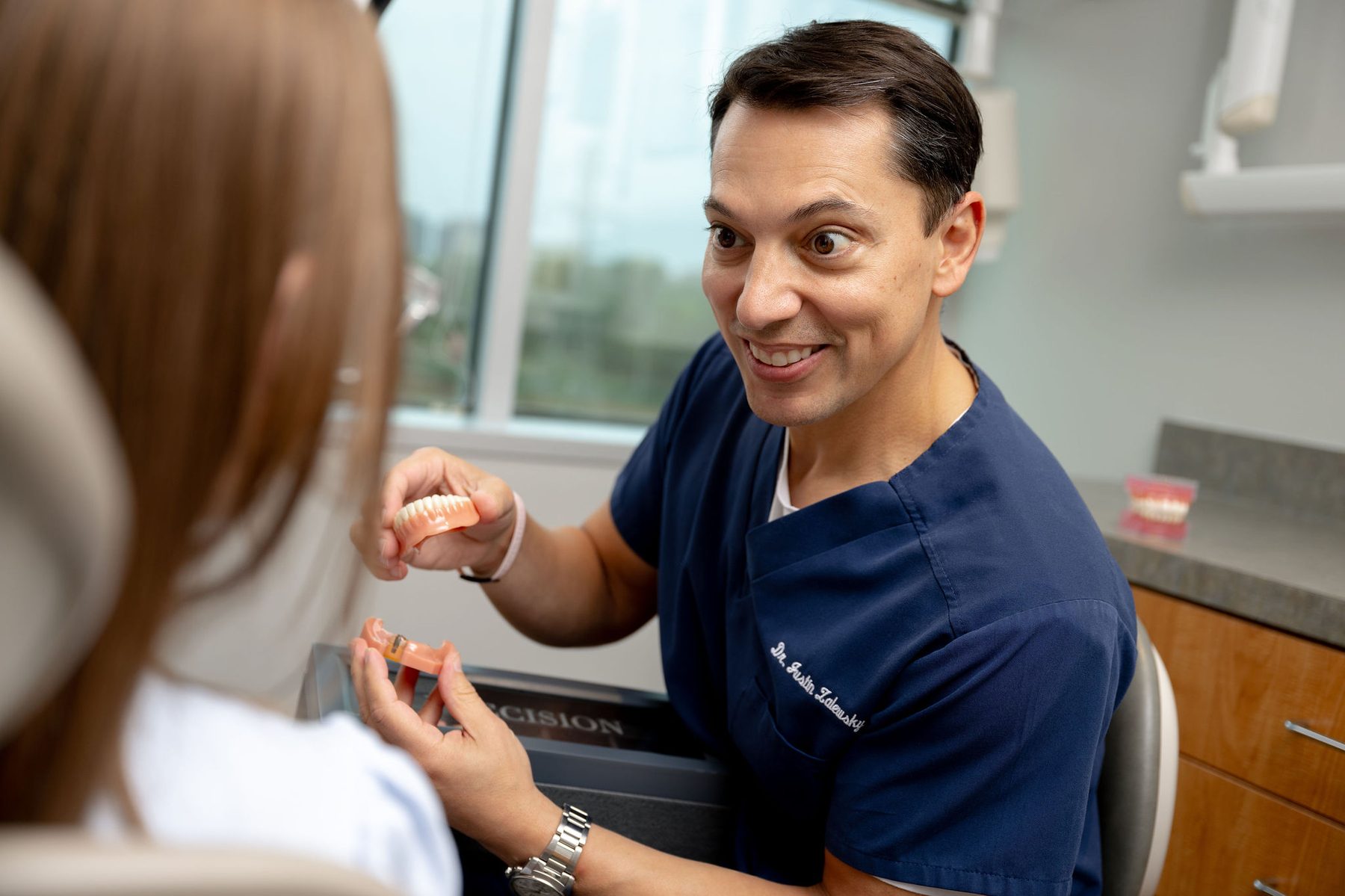
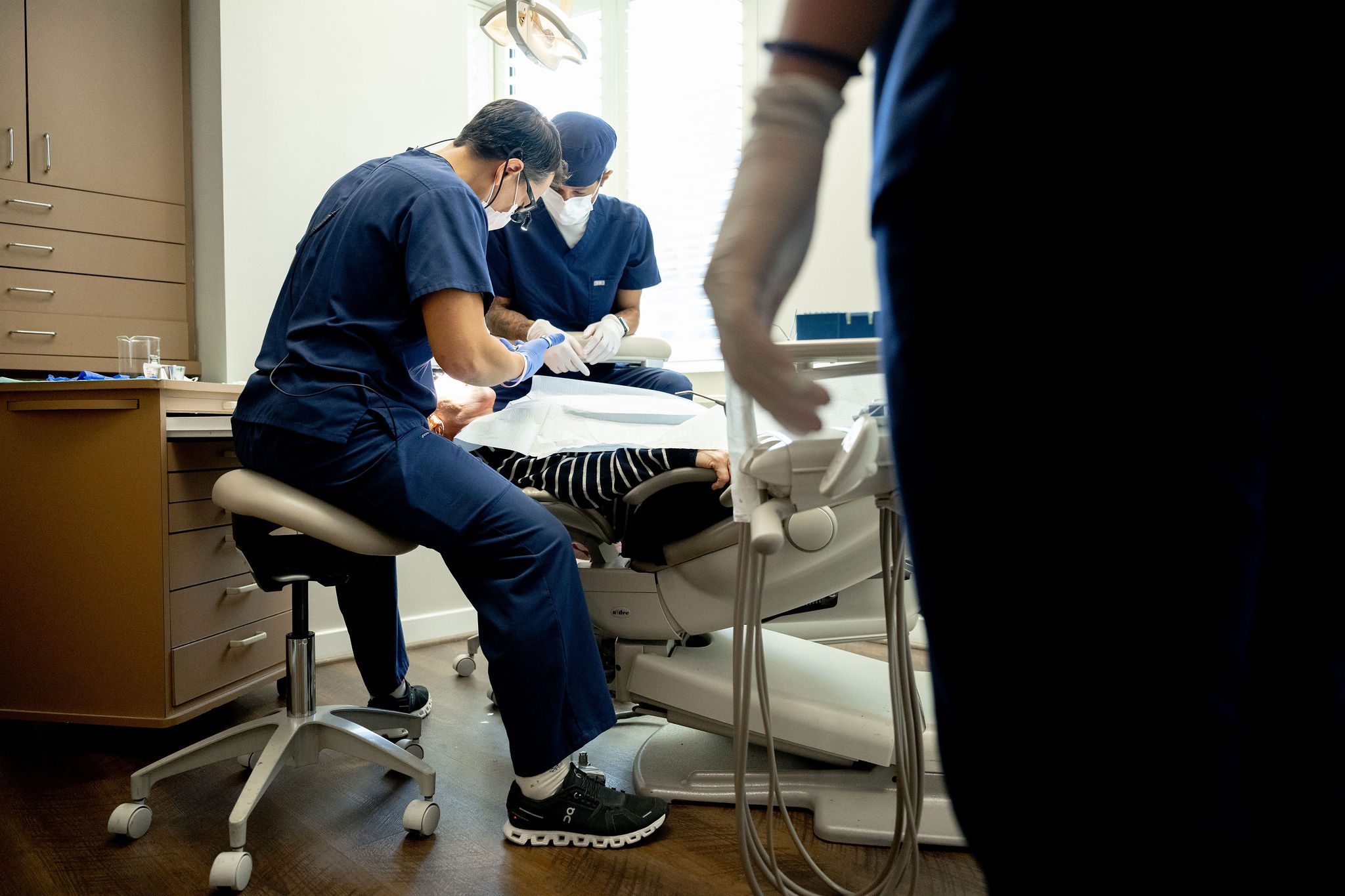
What sets Precision Periodontics apart for Foggy Bottom residents is our team of six board-certified periodontists, each bringing unique expertise and a shared commitment to clinical excellence. Our periodontists evaluate the extent of bruxism-related damage and may prescribe custom occlusal guards, recommend occlusal adjustment, or work with other specialists to address contributing factors like sleep disorders or stress.
Your journey to improved periodontal health starts with a single call. Foggy Bottom residents can reach our Washington DC office at (202) 296-3360 or request a consultation online. Our 5-minute proximity from Foggy Bottom makes expert bruxism treatment care genuinely accessible.
Frequently Asked Questions
Bruxism Treatment FAQ for Foggy Bottom Patients
How do I know if I grind my teeth at night?
Common signs include waking with jaw soreness or headaches, flattened or chipped tooth surfaces, tooth sensitivity, and tongue indentations. Your dentist or periodontist may also notice wear facets during a routine exam that indicate nocturnal grinding.
Can bruxism cause gum recession?
Yes. The excessive lateral forces from grinding and clenching can damage the periodontal ligament and supporting bone, contributing to gum recession, tooth mobility, and even tooth loss if left untreated over time.
What treatments are available for bruxism beyond a night guard?
In addition to custom occlusal splints, treatment may include occlusal adjustment to balance your bite, stress-management techniques, muscle relaxants, Botox injections for the masseter muscles, and addressing underlying sleep-disordered breathing that can trigger grinding.
Is bruxism linked to sleep apnea?
Research shows a significant correlation. Sleep bruxism can be a sign of airway obstruction during sleep — the jaw clenches as a reflex to reopen the airway. If bruxism is diagnosed, a sleep evaluation may be recommended to rule out obstructive sleep apnea.
Getting Here
Directions from Foggy Bottom to Our Washington, DC Office
Our Washington, DC office is approximately 3 minutes from Foggy Bottom, near landmarks such as George Washington University, Kennedy Center, and State Department.
Driving Directions: Head north on 23rd Street NW, then turn east on M Street NW. Our office is at 2311 M Street NW, Suite 500 — just blocks from the Foggy Bottom GWU Metro station.
Washington, DC: 2311 M Street NW, Suite 500, Washington, DC 20037
(202) 296-3360Request An Appointment
Let us help you achieve a healthier, more confident smile.
Contact us with any questions or to schedule a bruxism treatment consultation at our Washington, DC office. We look forward to welcoming you.